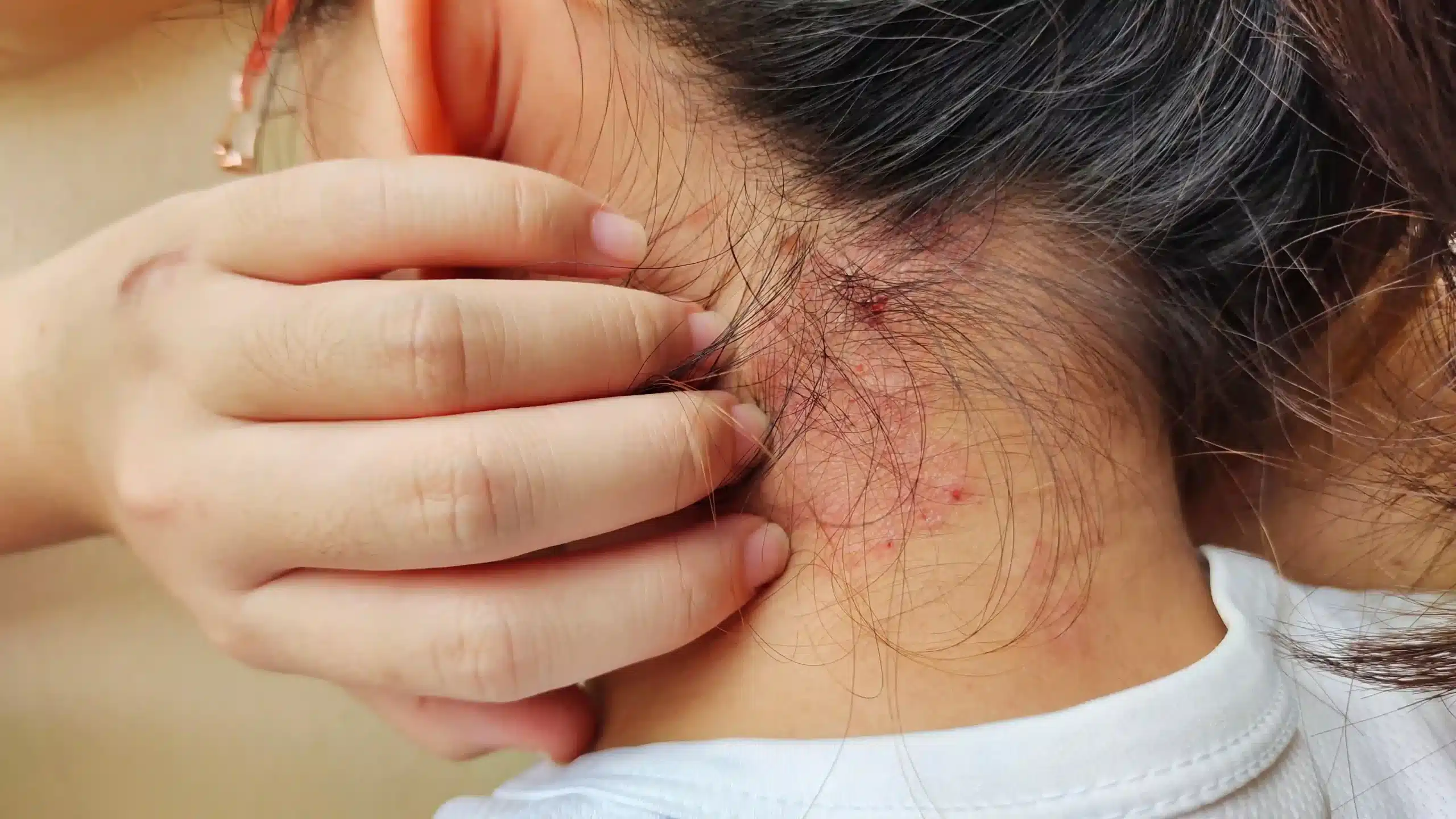
Acne Treatment Not Working? 7 Reasons Dermatologists See

Summary:

“Why is my acne not getting better?” This is a common question among people who have tried multiple skincare products, followed online advice, and stuck to a routine for months, only to find that their acne remains stubborn.

When acne is not responding to treatment, the natural assumption is that a stronger product is needed. But that’s not always the case. 

According to the Dermatological Society of Singapore’s acne management guidelines, evaluating acne involves much more than the visible breakouts themselves. 

Below, we explore seven common reasons dermatologists see when acne remains persistent despite treatment, and what may need to change for improvement to occur.

The Most Common Misconception About "Stubborn Acne"

Many people assume that if their acne is resistant to treatment, their skin is somehow unusually resistant, difficult, or unresponsive. In reality, the treatment may not be targeting the correct condition, the correct acne subtype, or the factor driving the breakouts in the first place.

Dermatologists rarely look at acne as a single disease. What falls under the umbrella of “acne” can include different patterns, triggers, and levels of severity, each of which may require a different approach. 

Therefore, a treatment that works well for one person may have little effect on another, even when the breakouts appear similar on the surface.

Reason 1: It's Not Actually Acne

One of the most overlooked explanations for persistent acne is that it may not be acne vulgaris at all. The following skin conditions can closely resemble acne, particularly in the early stages, often presenting as small bumps or facial redness.

Fungal Acne (Malassezia Folliculitis)

A fungal acne misdiagnosis is one of the most common reasons acne appears resistant to treatment. Malassezia Folliculitis is, more accurately, a fungal infection that’s caused by an overgrowth of Malassezia yeast within hair follicles. It typically presents as clusters of small, itchy, uniform bumps on the forehead, chest, back, or upper arms. Acne medications do little to address the underlying cause; in some cases, prolonged antibiotic use may even worsen the condition.

Perioral Dermatitis

Perioral dermatitis typically appears as red bumps around the mouth, nose, or eyes. Unlike acne, blackheads and whiteheads are usually absent. Many patients mistake it for acne and respond by applying stronger active ingredients, exfoliants, or spot treatments. Unfortunately, these products often aggravate the rash rather than improve it. Certain topical steroids, cosmetics, and skincare products can also contribute to flare-ups, making an accurate diagnosis particularly important.

Rosacea (Papulopustular Rosacea)

Papulopustular rosacea can look similar to inflammatory acne, especially when red bumps and pus-filled lesions are present. The difference is that rosacea is primarily a chronic inflammatory and vascular condition rather than a disorder of clogged pores. Patients often notice persistent facial redness, flushing, visible blood vessels, or sensitivity that seems disproportionate to the number of bumps present. When rosacea is mistaken for acne, treatments focused solely on oil control and exfoliation may lead to further irritation. 

Keratosis Pilaris

Keratosis pilaris is caused by a build-up of keratin around hair follicles and commonly appears as rough, flesh-coloured or red bumps on the cheeks, upper arms, thighs, or buttocks. Because the bumps resemble tiny pimples, they are sometimes mistaken for acne, particularly when they occur on the face. However, keratosis pilaris behaves very differently and typically requires a different skincare approach focused on gentle exfoliation and barrier support.

When a skin condition has been incorrectly identified from the start, it is easy to understand why treatment appears ineffective. Before assuming your acne is unusually resistant, the first question may be whether it is acne at all. Get a professional skin assessment from dermatologists at DermAlly to get started.

Reason 2: You're Treating the Wrong Type

Even when the acne diagnosis is correct, treatment can still fail if the wrong subtype is being targeted.

Acne is not a single condition. Different types of acne develop through different biological pathways, which means they do not always respond to the same medications, skincare routines, or procedures.

Treating Hormonal Acne Like Conventional Acne

Many over-the-counter acne treatments are designed to reduce bacteria, unclog pores, and decrease surface inflammation. While these approaches can help certain forms of acne, they are often insufficient when hormones are the primary driver.

Hormonal acne is often influenced by androgen activity and tends to occur around the jawline, chin, and lower face. Breakouts may flare predictably around menstrual cycles or persist well into adulthood.

Many patients with persistent acne spend years cycling through cleansers, exfoliants, spot treatments, and antibacterial products without meaningful improvement. This can create the impression of hormonal acne resistance.

However, topical products alone cannot address ongoing hormonal triggers. In reality, the underlying hormonal driver remains active, so the treatment and the cause are never fully aligned.

If your breakouts are concentrated around the lower face, recur around your menstrual cycle, or continue despite multiple topical treatments, it may be worth exploring whether hormonal acne is contributing to the problem.

Treating Fungal Acne Like Hormonal Acne

The reverse can happen too.

Some patients assume recurring forehead, chest, or back breakouts are hormonal and pursue treatments designed for conventional acne. However, if the condition is actually Malassezia folliculitis, these approaches may offer little benefit because the underlying issue is yeast overgrowth rather than clogged pores or hormonal stimulation.

This is one reason a fungal acne misdiagnosis can be so frustrating. The treatment may seem logical based on the appearance of the bumps, but the biology driving them is different. As a result, the skin appears acne-resistant to treatment when the real issue is that the wrong process is being targeted.

Treating Deep Cystic Acne Like Mild Acne

Not all acne lesions exist at the same depth within the skin.

Blackheads, whiteheads, and small inflammatory papules often respond well to topical treatments. Deep cystic acne behaves differently. These painful nodules form deeper within the pilosebaceous unit and carry a significantly higher risk of scarring.

Patients with cystic acne frequently ask why their acne is not getting better despite using increasingly strong skincare products. In many cases, the issue is not the product itself but the severity of the acne being treated. Acne that appears unresponsive may simply have progressed beyond what topical therapy alone can realistically manage.

The same principle applies to truncal or back acne. Because the skin, distribution, and treatment challenges differ from those of facial acne, management often requires a different strategy altogether.

Even when both the diagnosis and acne subtype are correctly identified, treatment can still fail for another reason: the skin may no longer be able to tolerate the treatment itself.

Reason 3: Your Skin Barrier Is Compromised

Acne treatment is often discussed in terms of bacteria, hormones, and clogged pores. Much less attention is paid to the skin barrier itself.

Yet when the skin barrier becomes compromised, inflammation can persist even when the underlying acne is being treated appropriately.

The skin barrier acts as the body’s first line of defence. When it is functioning well, it helps regulate moisture, reduce irritation, and protect against external stressors. When it becomes damaged, the skin may become increasingly reactive and less able to tolerate treatments that would otherwise be beneficial.

This is because barrier dysfunction changes how the skin responds to treatment. Instead of becoming calmer over time, the skin may remain irritated, sensitive, and inflamed. In some patients, this ongoing inflammation can make acne appear unchanged despite otherwise appropriate treatment.

Certain symptoms can serve as warning signs. Your skin barrier may be compromised if your skin:

  • Frequently stings when applying skincare
  • Feels unusually tight after cleansing
  • Flushes easily
  • Remains persistently red

These symptoms are often mistaken for signs that stronger treatment is needed. In reality, they may indicate that the skin requires recovery rather than escalation.

Restoring barrier function first may help reduce background inflammation and improve tolerance to acne treatment. For some patients, this becomes an important step before meaningful improvement can occur.

Reason 4: You're Layering Too Many Actives

The rise of multi-step skincare routines has changed the way many people approach stubborn acne.

Instead of following a targeted treatment plan, patients often layer multiple active ingredients together in the hope of accelerating results. Retinoids, exfoliating acids, vitamin C, brightening serums, spot treatments, and “skin cycling” schedules have become increasingly common.

Skin cycling can be useful when done appropriately. However, problems arise when multiple treatment products begin competing for space within the same routine.

While each product may have a valid role individually, combining them too aggressively can overwhelm the skin. Daily use of retinoids alongside exfoliating acids, vitamin C, scrubs, or multiple treatment serums may increase irritation and contribute to barrier damage.

One reason this happens is that people often evaluate products in isolation. Much less attention is paid to how those ingredients interact when layered together every morning and evening. 

Dermatologists frequently see patients whose routines become more complex as their frustration grows. When acne remains persistent, another serum is added. Then another exfoliant. Then another treatment step.

Paradoxically, simplification often produces better results. Reducing unnecessary activities and focusing on a smaller number of evidence-based treatments may improve tolerability, consistency, and long-term adherence.

If your routine contains multiple exfoliants, treatment serums, and active ingredients, it may be worth reviewing whether every step is helping.

Reason 5: Hormonal Drivers Aren't Being Addressed

Not all acne originates within the skin itself.

For many adults, hormones play a significant role in the development of breakouts. This is particularly common in women who experience cyclical flares, jawline-predominant acne, or acne that continues beyond adolescence.

Topical treatments work at the level of the skin. They can reduce inflammation, unclog pores, and decrease bacterial overgrowth. What they cannot do is directly regulate androgen activity, ovarian hormone fluctuations, or other systemic influences that may be contributing to the acne.

Certain patterns often raise suspicion of hormonal involvement. These include breakouts concentrated along the jawline and chin, worsening before menstruation, acne that persists into adulthood, or acne occurring alongside symptoms such as irregular periods or excess facial hair.

Conditions such as polycystic ovary syndrome (PCOS) may contribute to these patterns in some patients. Perimenopause can also alter hormone balance and trigger new-onset acne in adults who previously had clear skin.

Because these drivers originate beyond the skin, treatment often requires a broader strategy than topical skincare alone. Depending on the individual situation, this may involve hormonal evaluation, oral medication, or a treatment plan designed to address both the skin and the underlying hormonal environment.

The goal is not necessarily to replace topical therapy. Rather, it is to recognise when hormonal factors may be limiting how much improvement topical treatments can realistically achieve for persistent acne.

Reason 6: Antibiotic Resistance Is Building

Oral antibiotics remain an important treatment option for certain types of inflammatory acne. However, they are generally intended as part of a broader treatment strategy rather than a permanent solution.

Over time, prolonged antibiotic exposure may become less effective. This can occur because bacterial populations adapt, treatment adherence changes, or the underlying acne evolves in ways that antibiotics alone cannot adequately control.

Singapore’s acne management guidelines specifically highlight growing concerns about antibiotic resistance in acne treatment and recommend avoiding antibiotic monotherapy. Combination approaches that include other evidence-based therapies are generally preferred.

There is another consideration as well. As discussed earlier, some conditions that resemble acne, particularly Malassezia folliculitis, may worsen during prolonged antibiotic use because antibiotics do not address the underlying yeast component.

When improvement plateaus despite an appropriate course of antibiotics, dermatologists often reassess the diagnosis, treatment goals, and overall strategy rather than simply extending the same medication indefinitely. In many cases, the next step involves pivoting to a different treatment approach rather than continuing the same one for longer.

Reason 7: You Need to Escalate to Oral or In-Clinic Care

Even when the diagnosis is correct and the treatment is appropriate, every treatment category has limits.

Topical therapy is often effective for mild acne. However, as inflammation becomes more extensive, deeper, or more persistent, treatment may need to move beyond the skin surface.

This is particularly true for nodular and cystic acne, where inflammation occurs deeper within the skin. In these situations, topical medications may struggle to adequately reach the structures driving the breakout process.

Depending on the type and severity of acne present, treatment escalation may involve oral antibiotics, hormonal therapies, intralesional steroid injections for selected cysts, or oral isotretinoin. These treatments target acne through different mechanisms and are prescribed only after a careful assessment of the patient’s medical history, acne severity, and treatment goals.

Oral isotretinoin deserves particular mention because it is often misunderstood. While it can be highly effective for selected patients with severe acne, it is not appropriate for everyone and requires medical supervision, monitoring, and discussion of potential risks and side effects.

For patients who have already achieved control of active acne, procedural treatments may also play a role in addressing residual concerns such as post-inflammatory pigmentation, redness, or scarring. Depending on the clinical situation, dermatologists may consider options such as pico laser, yellow laser, or RF microneedling as part of a broader treatment plan.

The purpose of escalation is not simply to use a stronger treatment. It is to match the intensity of treatment to the severity of the condition. When acne continues despite appropriate skincare and topical therapy, it may be time to consider whether the next stage of treatment is required.

If your acne continues despite multiple products or treatment attempts, our dermatologists at DermAlly can help clarify what may be preventing improvement and whether a different treatment strategy is needed. Schedule an appointment with us.

The Decision Framework: When to Stop Self-Treating

Many people spend months trying to troubleshoot their acne on their own. Sometimes this is reasonable, but often it simply delays appropriate care.

Rather than focusing on how many products you have tried, it may be more helpful to look for signs that the current approach has reached its limit.

A dermatological assessment may be worth considering if:

  • Breakouts continue after more than three months of consistent over-the-counter treatment.
  • Acne lesions are painful, deep, or leave scars.
  • The skin appears to worsen despite adding more treatments.
  • Acne is affecting your confidence, social interactions, or overall well-being.

These situations do not necessarily mean the acne is severe. However, they do suggest that a closer evaluation may be needed to determine whether something has been overlooked. Contact us here to speak to a dermatologist.

How DermAlly Untangles "Resistant" Acne

At DermAlly, the starting point is not selecting a treatment. It is understanding what is happening beneath the surface.

When patients present with acne that seems resistant to treatments, the first step is often a diagnostic reset. Rather than assuming the original diagnosis was correct, our dermatologists reassess the pattern, distribution, severity, and history of the breakouts.

In some cases, this may involve a temporary stop-and-restart approach. Products that are causing unnecessary irritation or confusion are simplified so the skin can be evaluated more clearly. This makes it easier to distinguish active acne from barrier dysfunction, treatment-related irritation, or overlapping skin conditions.

The next step is identifying the acne subtype and its primary drivers. This may include determining whether the acne is predominantly hormonal, inflammatory, comedonal, truncal, cystic, or influenced by another contributing factor.

From there, treatment is typically sequenced rather than layered all at once.

Where appropriate, the focus may first be placed on restoring barrier function and reducing unnecessary inflammation. Active acne is then addressed using treatments matched to the subtype and severity present. Only after active breakouts are adequately controlled does attention shift toward concerns such as post-inflammatory pigmentation, redness, or acne scars.

This structured approach helps ensure that each stage of treatment supports the next, rather than competing with it.

If you’re dealing with seemingly treatment-resistant acne, book a consultation at DermAlly so we can conduct a skin assessment and recommend the right treatment. 

Frequently Asked Questions About Stubborn Acne

Acne that appears resistant to treatment is often not a matter of trying the wrong product alone. Factors such as an incorrect diagnosis, the wrong acne subtype, hormonal influences, barrier dysfunction, or treatment plans that are no longer appropriate for the severity of the acne can all contribute to a poor response.
Fungal acne, more accurately known as Malassezia folliculitis, often appears as clusters of small, uniform bumps that may be itchy. It commonly affects the forehead, chest, back, and upper arms. Because it can closely resemble conventional acne, diagnosis is usually based on the overall pattern, symptoms, and clinical examination rather than appearance alone.
A damaged skin barrier does not directly cause acne, but it can contribute to ongoing inflammation and make acne more difficult to manage. When the barrier is compromised, the skin may become more reactive, irritated, and less able to tolerate treatment. This can make breakouts appear worse or create the impression that treatment is not working.
Seeking a second opinion may be reasonable if your diagnosis remains unclear, your concerns are not being adequately addressed, or you have not been given a clear explanation of your treatment plan. However, it is important to remember that many acne treatments require several weeks or months to show meaningful results, so a lack of immediate improvement does not necessarily indicate poor care.
Not necessarily. While isotretinoin is often used for severe, scarring, or treatment-resistant acne, it is not reserved only for the most extreme cases. Dermatologists may recommend it earlier when the risk of permanent scarring is high or when other treatment options are unlikely to provide adequate control. The decision depends on the individual patient, acne severity, medical history, and treatment goals.
Hormonal acne often improves when the underlying hormonal fluctuations become less active, but the timeline varies significantly between individuals. Some people experience improvement with age, while others continue to have hormonally driven breakouts into adulthood. Appropriate treatment can help control acne during this period, even when hormonal influences remain present.

Key Takeaway

Acne Treatment Not Working? Consult a Dermatologist in Singapore Today

Acne that persists despite months of treatment often requires more than another skincare product.

Whether the issue is an incorrect diagnosis, hormonal influences, barrier dysfunction, treatment resistance, or acne severity, identifying the underlying cause is an important first step toward improvement.

At DermAlly, our dermatologists assess the type of acne present, review previous treatments, and develop a treatment plan based on your skin’s specific needs and goals.

If your acne continues to recur, worsen, or leave scars despite treatment, book a consultation with our dermatologists in Singapore to discuss your options.

Our articles are written and reviewed by Dr. Coni Liu (MRCS, FAMS), Dr. Heng Jun Khee (MRCP, FAMS), and Dr. Cheng Hui Mei (FAMS), Ministry of Health-accredited Consultant Dermatologists at DermAlly.

All three are Fellows of the Academy of Medicine (Dermatology) and previously served as Consultants at the National Skin Centre (NSC), bringing extensive experience in medical, surgical, and aesthetic dermatology. They are committed to making expert-led skin education accessible, practical, and clear, helping patients look and feel their best through evidence-based care rooted in science and compassion.

Start your journey towards healthy skin today

Book an appointment with our expert dermatologists. Please select your preferred clinic below.