Reviewed By:
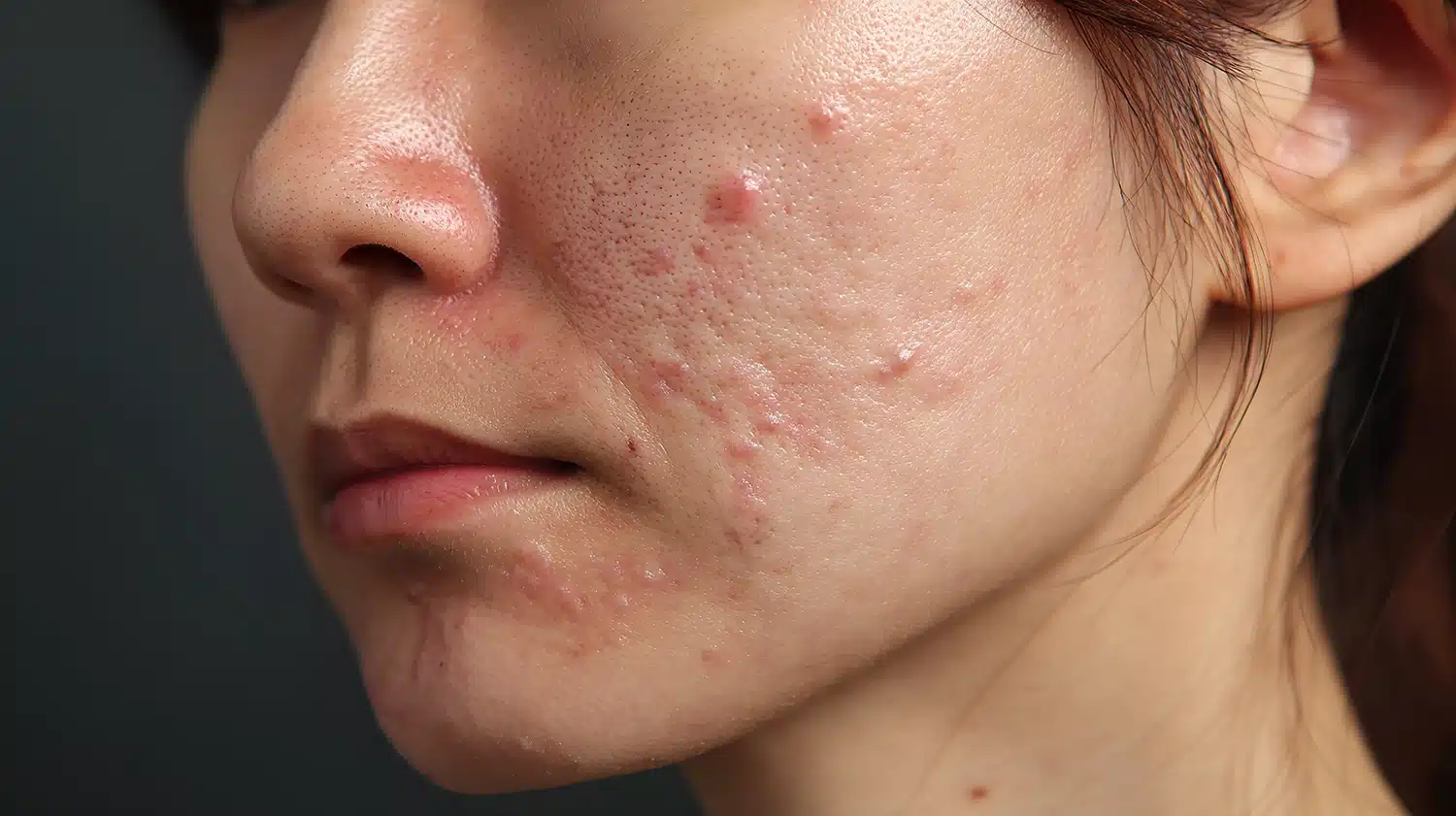
Clinically known as nodulocystic acne, cystic acne represents the severe end of the acne spectrum. It is characterised by large, inflamed lesions that typically measure more than 5 mm and develop deep beneath the skin surface. These lesions may contain fluid or pus and are often painful to touch.
Unlike blackheads, whiteheads, or smaller inflammatory pimples that form closer to the surface, cystic acne develops within the deeper dermis. Lesions often persist for weeks and frequently recur in the same areas.
Cystic acne most commonly affects the:
In many patients, the inflammation eventually damages surrounding skin structures, leading to cystic acne scarring or post-inflammatory hyperpigmentation after the lesions have settled.
Importantly, “cystic” is not considered a separate skin disease. Rather, it describes the severity and depth of inflammation. In standard acne grading systems, cystic or grade IV acne is considered severe and often requires dermatologist-led medical treatment.
Many patients attempt to treat cystic acne at home using cleansers, exfoliants, spot treatments, and “acne-fighting” skincare products. However, these are usually insufficient for deep inflammatory disease.
Salicylic acid washes, benzoyl peroxide cleansers, and cosmetic retinol serums are primarily formulated for surface-level congestion and epidermal acne.
Cystic lesions form much deeper within the dermis, where topical products penetrate poorly. This is one reason topical-only approaches to severe acne treatment often yield limited or very slow improvement, while inflammation persists beneath the skin.
That does not mean topical treatment has no role. Prescription retinoids, benzoyl peroxide, and barrier-supportive skincare are still commonly incorporated into cystic acne treatment plans, but usually as part of a broader medical strategy rather than as a standalone therapy.
In dermatology, cystic acne is considered a medical condition rather than purely cosmetic. Oral medications often form the foundation of care, while topical and procedural interventions are added according to acne severity and scarring risk.
Patients who rely on self-treatment alone for prolonged periods frequently present later with established cystic acne scarring, post-inflammatory pigmentation, or persistent inflammatory nodules.
If you have ever wondered why cystic acne feels so different from a regular pimple, the answer lies in where it forms and what happens beneath the skin. Cystic acne does not develop overnight, nor does it form at the surface. The process that creates a painful cyst begins deep within the follicle, long before anything becomes visible.
The process typically begins with increased sebaceous gland activity, often influenced by androgens, which are hormones that stimulate oil production. Excess sebum combines with dead skin cells within the hair follicle.
At the same time, the follicle lining sheds abnormally. This process, known as follicular hyperkeratinisation, creates a blockage deep within the follicle.
Once the follicle becomes plugged, sebum and cellular debris become trapped beneath the skin in an oxygen-poor environment. This allows Cutibacterium acnes, formerly known as Propionibacterium acnes, to proliferate rapidly.
Eventually, the follicular wall ruptures deep within the dermis. Bacteria, sebum, and inflammatory debris spill into surrounding skin tissue, triggering an intense immune response. Because the inflammation is trapped beneath deeper layers of skin, the result is a large, tender nodule or cyst rather than a superficial pimple.
Each rupture also damages dermal collagen structures, which is why cystic acne frequently leads to permanent scarring. By the time a cyst becomes visible at the surface, dermal collagen damage is often already in progress. Early intervention is therefore an important strategy in cystic acne care.
The earliest stage usually begins as a deep, tender bump beneath the skin surface. Visible redness may still be minimal externally, but the area often feels sore, firm, or swollen.
Intervention for deep, painful acne at this stage is generally associated with the lowest risk of scarring.
As inflammation intensifies, the lesion becomes visibly swollen and red. Pain often increases, and the surrounding skin may appear inflamed.
Dermatologist-led cystic acne treatment at this stage may still reduce progression to more severe inflammation.
At peak inflammation, the cyst reaches its largest and most painful state. Some lesions develop fluid-filled centres, although many remain closed beneath the skin surface.
For individual large cysts, a dermatologist may consider an intralesional steroid injection, sometimes referred to as an acne cyst injection. Small amounts of corticosteroid medication, commonly triamcinolone, are injected directly into the lesion to reduce inflammation rapidly.
Most cysts visibly flatten within 24 to 48 hours after injection, although improvement varies between patients.
Potential side effects include:
Eventually, inflammation starts to settle. However, the resolution of chronic acne is often slow, with lesions taking weeks or even months to fully flatten.
This stage frequently leaves behind:
Each stage represents an opportunity to intervene. The later the intervention, the greater the likelihood of the permanent skin changes described in the next section.
Intervening during Stages 1 and 2 generally produces the most favourable outcomes and carries the lowest risk of scarring.
Not sure which stage you’re at?
Book a cystic acne assessment at DermAlly and explore tailored treatment plans in Singapore.
Scarring is one of the defining features of severe cystic acne. Unlike superficial pimples that heal near the skin’s surface, cystic pimples rupture deep within the dermis, where inflammation directly damages collagen and other supporting skin structures.
The longer inflammation persists, the greater the likelihood of permanent skin changes.
Here are several types of acne scars commonly seen in patients with cystic acne:
| Type | Appearance | Common Characteristics |
|---|---|---|
| Ice Pick Scars | Narrow, deep, V-shaped depressions | Extend deep into the dermis and are often among the most technically difficult scars to treat. |
| Boxcar Scars | Wider depressions with defined edges | Create visible indentations across the skin surface, especially under overhead lighting. |
| Rolling Scars | Broad, undulating unevenness | Caused by fibrous tethering beneath the skin, producing a wavy skin texture. |
| Hypertrophic & Keloid Scars | Raised, thickened scars | More common on the jawline, chest, shoulders, and back in predisposed individuals. |
| Post-Inflammatory Hyperpigmentation (PIH) | Brown, grey, or darker residual marks |
Particularly persistent in
Fitzpatrick III–V skin types,
common for Asians, after deep inflammatory acne.
In some patients, these marks persist for months after the active cysts resolve. |
Different scar morphologies respond differently to treatment, which is why understanding how acne scars are typically matched to specific treatments is an important part of long-term scar management.
Time-to-treatment also affects overall scar burden. Each active cyst represents ongoing collagen injury, which is why early intervention remains important in long-term scar prevention.
Once scarring develops, cystic acne treatment usually becomes more prolonged and technically complex than treating the original acne itself.
Dermatologists also generally aim to stabilise active acne before starting scar-focused procedures, since ongoing cyst formation can interfere with treatment outcomes. This is why treatment sequencing matters.
Severe nodulocystic acne frequently runs in families. Patients with a family history of cystic or scarring acne often develop deeper lesions, stronger inflammatory reactions, and a higher risk of permanent scarring.
Part of this tendency relates to how the immune system responds to Cutibacterium acnes within the follicle.
Importantly, this is an inherited inflammatory tendency, not a reflection of poor hygiene or inadequate skincare discipline.
Hormonal fluctuations are one of the most common amplifiers of deep, painful acne, particularly in women.
In many women, hormonal cystic acne concentrates along the jawline, chin, lower cheeks, and neck, with cyclical worsening around menstruation. Polycystic ovary syndrome (PCOS), perimenopause, and hormonal contraceptive changes may also amplify breakouts.
Stress can intensify existing acne activity through hormonal pathways involving cortisol and sebaceous gland stimulation.
Many patients notice that cystic acne flares track stressful life events more visibly than milder forms of acne.
Emerging research suggests that diets high in refined carbohydrates, sugars, and dairy products may worsen inflammatory acne in susceptible individuals.
One proposed mechanism involves Insulin-like Growth Factor-1 (IGF-1), which influences sebaceous gland activity and follicular inflammation.
Singapore’s heat and humidity can create conditions that aggravate already-clogged follicles, particularly in acne-prone skin.
Common contributing factors include:
None of these factors cause cystic acne by themselves, but in skin that is already inflamed, they are often enough to tip a manageable flare into something much harder to control.
Heavy oils, thick occlusive creams, pomades, and some silicone-rich formulations may accelerate follicular plugging in susceptible individuals.
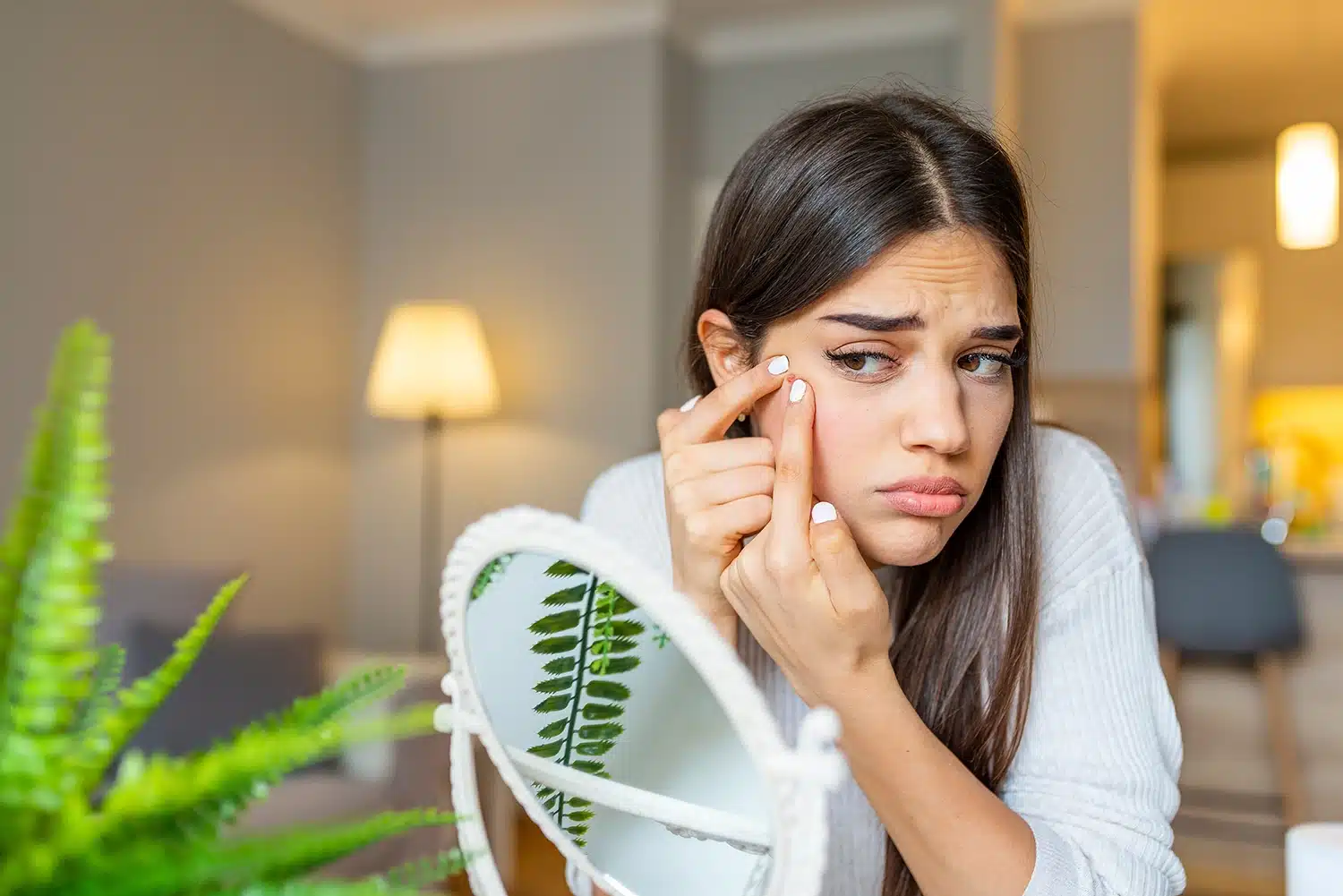
Picking, squeezing, harsh scrubbing, and aggressive extractions can worsen inflammation by pushing bacteria and debris deeper into the dermis.
Repeated manipulation may also increase the risk of cystic acne scarring and prolonged post-inflammatory pigmentation.
Cystic acne is frequently misclassified, particularly when lesions are deep, painful, or persistent. Incorrect diagnosis can lead to months of ineffective treatment and worsening scarring.
At DermAlly, our consultant dermatologists assess for several conditions that can resemble cystic acne but follow different disease pathways.
Nodular acne produces deep, painful inflammatory lesions that resemble cystic acne but typically lack true fluid-filled cyst formation.
Many patients develop both nodular and cystic acne at the same time.
Hidradenitis suppurativa is a chronic inflammatory condition affecting apocrine gland-rich areas such as the underarms, groin, under the breasts, and buttocks.
It is commonly mistaken for recurrent boils or severe acne for years before a correct diagnosis and treatment.
Sebaceous or epidermoid cysts usually present as single, firm, rounded lumps beneath the skin rather than recurrent inflammatory acne lesions.
When symptomatic or recurrent, surgical excision is often considered.
Perioral dermatitis causes clusters of small, inflamed papules around the mouth and nose that may initially resemble acne.
The condition is frequently triggered by topical steroid use or certain skincare products. While oral antibiotics may sometimes be appropriate, topical steroids often worsen the condition.
Malassezia folliculitis, commonly referred to as “fungal acne”, typically presents as uniform itchy bumps across the forehead, hairline, chest, or back. Unlike bacterial acne, fungal folliculitis often worsens with antibiotics.
Papulopustular rosacea causes inflammatory papules and pustules concentrated around the central face, often accompanied by flushing, visible blood vessels, or facial sensitivity.
The central facial distribution and background redness help distinguish rosacea from cystic acne, even when both conditions appear superficially similar.
Months of incorrect treatment can cost time, money, and skin. In patients already developing cystic acne scarring, specialist diagnosis early in the disease course can significantly change the long-term trajectory.
Because cystic acne carries a high risk of permanent scarring, treatment often extends beyond topical skincare alone. In dermatology, oral medication frequently forms the foundation of care.
The specific treatment plan depends on:
Oral isotretinoin is a vitamin A-derived retinoid that targets multiple pathways involved in cystic acne simultaneously.
Its effects include:
For severe nodulocystic acne, isotretinoin remains one of the most effective treatment options when topical regimens and oral antibiotics have produced insufficient improvement or when scarring risk is already significant.
A typical cystic acne treatment course lasts approximately six to nine months, although duration varies depending on:
Many patients achieve long-term remission after a single course, while others may require an additional course years later if acne recurs.
Because isotretinoin treatment follows strict safety protocols, important considerations include:
Common side effects of oral isotretinoin include:
Most patients require intensive moisturisation and daily sun protection during treatment.
Oral antibiotics are commonly used in moderate-to-severe inflammatory acne to reduce bacterial load and calm active inflammation.
For patients with cystic acne, antibiotics are usually used as short-term bridging therapy while longer-term treatment plans, such as hormonal therapy or isotretinoin, gradually take effect.
Tetracycline-class and macrolide-class antibiotics are among the most commonly prescribed options.
Typical antibiotic protocols include:
Because cystic acne is a chronic inflammatory condition, oral antibiotics are generally not intended for indefinite long-term treatment.
Potential side effects include:
For women with hormonal cystic acne, treatment may focus on the underlying hormonal driver rather than surface inflammation alone.
Hormonal-pattern acne commonly presents with:
Treatment options may include:
Hormonal therapy generally requires three to six months before full effects become apparent and is often combined with topical regimens or other medical treatments.
An intralesional steroid injection is used to rapidly calm an acute, painful cystic lesion. During the procedure, the dermatologist injects a very small amount of dilute corticosteroid, typically triamcinolone, directly into the cyst to suppress localised inflammation.
This treatment is commonly considered for:
Many patients notice visible flattening within 24 to 48 hours after an acne cyst injection.
Intralesional steroid injections are generally reserved for individual lesions rather than widespread acne treatment.
Potential side effects are uncommon and usually temporary, but may include:
Because getting the right depth and dosing are important, this procedure should only be performed by a qualified doctor. Attempting to inject, squeeze, or drain deep cystic lesions at home may worsen inflammation and contribute to further scarring.
For selected patients with very large fluid-filled cysts, a sterile cyst drainage procedure may be recommended.
These lesions are typically fluctuant, meaning they feel softer or fluid-filled beneath the skin.
Potential benefits of a cyst drainage include:
The procedure is performed under sterile clinical conditions and may involve local anaesthesia.
Importantly, medically performed drainage is very different from squeezing or attempting to “pop” cysts at home. Manual squeezing often worsens inflammation and significantly increases scarring risk.
In some cases, drainage may also be combined with an intralesional steroid injection during the same visit to further reduce inflammation.
Not all cystic lesions are suitable for drainage.
Supportive home care may help reduce discomfort between consultations or while medical treatment is taking effect. However, home management alone is usually insufficient for cystic acne.
The following measures may provide symptomatic relief and support the skin barrier during treatment:
Certain habits and products may aggravate inflammation or increase the risk of scarring:
Supportive skincare can improve comfort, but it does not replace dermatologist-led treatment for severe or scarring acne.
At DermAlly, cystic acne treatment in Singapore is typically approached in two phases.
The first priority is stopping active inflammation and reducing the risk of further scarring.
This phase may involve:
Once active cystic acne becomes stable, attention can shift toward residual redness, pigmentation, and textural scarring.
Different procedural treatments are used for different post-acne concerns:
Treating scars while new cysts continue to form generally produces poor outcomes. Sequencing matters.

In the first 4 to 6 weeks of isotretinoin or retinoid treatment, some patients (especially with severe inflammatory acne) notice their skin worsening before it improves. This is not the treatment failing. It is purging: deep microcomedones already forming beneath the skin are surfacing faster than they would naturally.
An initial flare during the first one to two months of oral isotretinoin treatment is documented in clinical literature and usually settles as treatment continues.
Importantly, skin purging is different from:
Although the two may look similar at first glance, they behave differently. Purging tends to affect areas where the patient usually breaks out and generally settles within four to six weeks. Irritation more often appears in previously unaffected areas and persists.
During follow-up, the dermatologist monitors these patterns closely and may adjust treatment depending on severity and skin response. In selected patients with severe initial inflammatory flares, a short course of oral steroids may sometimes be considered alongside isotretinoin during the early treatment phase.
Close monitoring during the first few weeks of cystic acne treatment is important because many patients understandably feel discouraged when improvement is not immediate.
Several scenarios require diagnostic confirmation or treatment modification before standard cystic acne therapy begins.
These include:
Cystic acne treatment plans are adapted according to diagnosis, medical history, and patient context.
Each week of active cystic acne represents ongoing dermal collagen damage beneath the skin.
As inflammation continues, the amount of subsequent scar revision required typically increases as well. In practice, treating established acne scars is usually harder, longer, and more expensive than controlling active acne earlier in the disease course.
Patients who present early with recently developed cystic acne often achieve good inflammatory control with relatively limited residual scarring.
By contrast, patients who spend one to two years attempting to self-manage severe inflammatory acne before seeking specialist care commonly present with established scarring already in place.
At DermAlly, our clinical approach to severe acne treatment is generally to escalate intervention earlier rather than later. With cystic acne, the cost of waiting is often permanent.
Many of the most effective treatments for cystic acne are not considered safe during pregnancy or while trying to conceive.
Treatments typically avoided during pregnancy include:
Pregnancy-safer options may include:
Pregnancy-related hormonal cystic acne flares are relatively common during the first and second trimesters. In some patients, inflammation improves during the third trimester or after delivery.
Patients who are pregnant, breastfeeding, trying to conceive, or planning pregnancy should disclose this during consultation so treatment plans can be adjusted appropriately.
At DermAlly, cystic acne treatment is structured around early inflammation control, scar prevention, and long-term disease stabilisation rather than short-term cosmetic improvement alone.
Care is individualised according to acne severity, scarring risk, hormonal patterns, medical history, and previous treatment response.
The first consultation typically includes:
Assessment also involves ruling out:
Treatment plans are customised according to disease severity and patient context. Depending on the presentation, management may involve:
Baseline laboratory testing may be required before starting certain cystic acne medications, particularly isotretinoin.
Follow-up schedules are adjusted according to:
If residual scarring remains after inflammation stabilises, procedural treatment planning is introduced separately after active cyst formation is adequately controlled.
All care at DermAlly is delivered under the supervision of MOH-accredited consultant dermatologists with prior National Skin Centre and academic dermatology experience.
Start with a Personal Skin Assessment
Let our dermatologists confirm or rule out cystic acne.
For patients with particularly complex cystic acne, DermAlly works closely with our sister practice, The Acne Clinic, led by Dr Ramita Kaur Shahi.
Referral may be considered in situations involving:
The Acne Clinic focuses specifically on complex breakout management using structured, step-by-step care tailored to the individual patient.
This collaborative pathway allows patients to access additional specialist support while maintaining dermatologist-led oversight.
Singapore’s Private Hospitals and Medical Clinics (PHMC) Act and Healthcare Services Act (HCSA) restrict the use of before-and-after photography in medical advertising. DermAlly fully adheres to these guidelines.
During consultation, DermAlly’s consultant dermatologists explain expected treatment timelines, discuss realistic clinical outcomes, and review management strategies based on the patient’s cystic acne pattern, life stage, and medical history. Where appropriate, peer-reviewed clinical literature may also be referenced to support treatment counselling.
#05-01/02
1 Orchard Boulevard
Singapore 248649
Clinic: +65 6331 6988
WhatsApp: +65 8939 7388
Mon – Fri: 9 am – 5 pm
Sat:9 am – 1 pm
Closed on Sunday
#03-08
112 East Coast Road
Singapore 428802
Clinic: +65 6331 6988
WhatsApp: +65 9727 6928
Mon: Closed
Tues – Fri: 9 am- 6 pm
Sat/Sun: Closed
A typical course of oral isotretinoin lasts approximately six to nine months, although the exact duration depends on acne severity, treatment response, and dose calibration. Some patients begin noticing improvement within the first one to three months, while deeper inflammatory lesions may take longer to settle. Dermatologists usually adjust treatment duration according to how the skin responds over time rather than following a fixed schedule. In many cases, improvement continues even after the medication course has finished.
Many patients achieve long-term remission after a single isotretinoin course, particularly when treatment is completed appropriately and monitored carefully. However, recurrence can still occur months or years later, especially in patients with strong hormonal or genetic drivers. When cystic acne does return, it is often milder than before treatment. Some patients may eventually require a second course. Maintenance strategies such as topical retinoids, non-comedogenic skincare, and hormonal management, where appropriate, may help prolong disease control.
Most untreated or under-treated cystic acne leaves some degree of residual skin change, whether in the form of atrophic scarring, post-inflammatory hyperpigmentation, or persistent redness. This tendency is particularly common in Asian skin, where pigment-producing cells respond strongly to inflammation. Early dermatologist-led treatment remains the most important strategy for reducing long-term scar formation. Once active acne stabilises, scar treatment becomes a separate phase of management that may involve lasers, subcision, microneedling, or other procedural approaches depending on scar type.
No. Unlike a superficial pimple that connects directly to the skin surface, a cystic lesion forms deeper within the dermis and usually lacks a clear drainage pathway. Attempting to squeeze or “pop” the cyst often ruptures the follicle wall beneath the skin instead, spreading inflammatory material into the surrounding tissue. This may worsen swelling, prolong healing, and significantly increase scarring risk. For selected painful lesions, dermatologists may perform an intralesional steroid injection to flatten the cyst more safely, often within 24 to 48 hours.
Recurring cystic acne in the same location often suggests ongoing low-grade inflammation or structural damage within that specific follicle. Once a follicle has been repeatedly inflamed, it may become more prone to future blockage and cyst formation. Some patients also develop persistent inflammatory tracts beneath the skin that repeatedly reactivate in the same area. Depending on the presentation, dermatologists may consider targeted intralesional injections or, in selected cases, minor in-clinic procedures to address the underlying structural issue contributing to recurrence.
Not exactly, although the two frequently overlap. Hormonal acne refers to acne driven largely by androgen-related hormonal activity, while cystic acne describes the depth and severity of inflammation. Many women with hormonal acne develop deep cystic lesions concentrated along the jawline, chin, and lower cheeks. Treatment therefore, often combines hormonal management with broader cystic acne control strategies.
Some milder cases improve as hormones stabilise after adolescence. However, moderate-to-severe nodulocystic acne often persists without medical treatment and may continue causing collagen damage beneath the skin while active inflammation remains ongoing. The longer severe cystic acne continues untreated, the greater the likelihood of permanent scarring and post-inflammatory pigmentation. In practice, waiting for cystic acne to “settle on its own” can become costly in terms of long-term skin damage.
Oral antibiotics can help reduce bacterial load and calm active inflammation relatively quickly, but they are not intended as an indefinite standalone treatment for cystic acne. In dermatology, antibiotics are typically used as bridging therapy while longer-term treatment plans, such as hormonal therapy or isotretinoin, gradually take effect. Prolonged antibiotic monotherapy also increases the risk of bacterial resistance.
Most cysts treated with an intralesional steroid injection begin flattening within 24 to 48 hours, although further improvement often continues over the following several days. This treatment is particularly useful for large painful lesions causing significant swelling or discomfort, especially before important social or professional events. However, the procedure is generally reserved for selected individual cysts rather than widespread acne treatment. Broader long-term management is still required to prevent ongoing cyst formation elsewhere on the skin.
An acne cyst forms as part of the inflammatory acne process and is usually painful, inflamed, and linked to recurring breakouts elsewhere on the skin. These lesions often fluctuate in size and may recur repeatedly over time. Sebaceous, or epidermoid, cysts behave differently. They usually appear as single, firm, rounded lumps beneath the skin without the broader inflammatory acne pattern seen in cystic acne. Management also differs, with sebaceous cysts often requiring surgical excision rather than acne-focused treatment.
Yes, although treatment options become significantly more restricted during pregnancy and pre-conception planning. Many of the most effective treatments for severe cystic acne — including oral isotretinoin, tetracycline-class antibiotics, topical retinoids, and hormonal therapies — are not considered safe during pregnancy. Pregnancy-safer alternatives do exist, but they are generally less aggressive and more limited in scope. Patients who are pregnant, breastfeeding, trying to conceive, or planning pregnancy should disclose this during consultation so treatment plans can be adjusted appropriately.
Book an appointment with our expert dermatologists. Please select your preferred clinic below.
