Diagnosis-led acne care from MOH-accredited consultant dermatologists at DermAlly. We treat all acne types, comedonal, inflammatory, hormonal, cystic, and fungal, with personalised plans designed to clear breakouts and prevent scarring.
Acne is a chronic inflammatory skin condition affecting the hair follicles and sebaceous glands. It occurs when oil, dead skin cells, and bacteria accumulate within the follicle, triggering a spectrum of skin changes ranging from blocked pores to deeply inflamed cysts.
It is one of the most common dermatological conditions seen in Singapore, affecting patients across all age groups. While it often begins during puberty, acne can persist well into adulthood or develop for the first time in adult women with no significant teenage history.
What makes acne clinically complex is that it is not a single condition. The term encompasses several distinct subtypes, each with distinct underlying drivers, presentations, and treatment requirements. Comedonal acne, inflammatory acne, hormonal acne, cystic acne, and fungal acne can look similar on the surface but behave very differently beneath it.
This is why the same treatment does not work for every patient, and why the first step in effective acne management is identifying the type of acne present.
Acne is one of the most common dermatological conditions worldwide, affecting up to 88% of adolescents and about 9.4% of the global population. In Singapore, acne is seen across both teenage and adult age groups, with adult-onset acne increasingly common in women between 25 and 45.
The condition also extends beyond visible breakouts. Ongoing inflammation, recurring flare-ups, and acne marks can affect self-esteem, social confidence, and emotional well-being over time.
This is why early acne treatment matters. A dermatologist-led approach focuses not only on controlling active acne but also on reducing the risk of long-term complications such as scarring and post-inflammatory hyperpigmentation (PIH). Early intervention can change both how acne behaves clinically and how much it affects daily life.
Acne should be treated early and effectively, as it may cause long-term effects such as emotional distress and permanent scarring. In the early stages, whiteheads and blackheads are common. As inflammation sets in, painful bumps or pimples, sometimes with pus, start to form on the face, forehead, cheeks, jawline, chest, shoulders and upper back. When severe, large, painful, swollen cysts develop, they lead to scarring.


Acne is not a single condition. What appears to be “just breakouts” may actually involve different underlying processes, including clogged pores, inflammation, hormonal shifts, or yeast overgrowth.
This is why diagnosis matters first. Different acne types respond to different treatments, and using the wrong approach can prolong inflammation, delay improvement, and increase the risk of scarring.
Comedonal acne is a non-inflammatory form of acne made up of blackheads (open comedones) and whiteheads (closed comedones). It is often one of the earliest stages of acne and typically affects the forehead, nose, and chin.
Because inflammation is limited, treatment usually focuses on normalising the shedding of dead skin cells from pores. Topical retinoids and salicylic acid are commonly used to reduce blockage formation and prevent progression into more inflamed acne.
Inflammatory acne develops when clogged pores become inflamed. This leads to red, swollen bumps known as papules, as well as pustules, which contain visible pus.
These breakouts may feel tender and are more likely to leave behind PIH after acne, especially in Asian skin. Depending on severity, treatment may involve acne medications, whether topical, oral, or a combination, to control inflammation and bacterial overgrowth.
Nodular acne appears as large, firm, painful lumps deep beneath the skin surface. Unlike smaller pimples, nodules often persist for weeks and may not come to a visible head.
Because the inflammation sits deeper within the skin, this form of acne carries a higher risk of scarring and usually requires more intensive treatment. Oral medications are commonly considered when topical treatment alone is insufficient.
Cystic acne is among the most severe forms of acne. It causes deep, inflamed, pus-filled lesions that can be painful and recurrent.
This type of acne has a significant risk of permanent scarring if inflammation is not controlled early. In Singapore, a dermatologist specialising in acne may recommend oral therapy, including isotretinoin in selected cases, alongside careful monitoring.
Hormonal acne is linked to androgen-driven oil production and commonly affects the jawline, chin, and lower cheeks. Flare-ups may follow hormonal fluctuations, which is why they are frequently seen around menstruation, perimenopause, and in patients with polycystic ovary syndrome (PCOS). Men can also develop hormonal acne.
In adults, breakouts are often deeper, more persistent, and less responsive to standard over-the-counter products alone.
Fungal acne is not true acne in the traditional sense. It is caused by yeast overgrowth within hair follicles rather than bacteria.
It typically appears as small, uniform, itchy bumps across the forehead, hairline, chest, or back. Because it superficially resembles acne, it is often misdiagnosed. Standard antibacterial acne treatments may not improve the condition and can sometimes worsen it.
Many patients have more than one type at once. A consultation with a DermAlly Singapore dermatologist can help you tell them apart. Book an appointment now.
Multiple internal and external factors influence acne. Identifying which drivers contribute most strongly helps explain why breakouts persist, flare repeatedly, or become more inflammatory over time.
Hormones play a central role in acne development. Androgens stimulate the sebaceous glands to produce more oil, which increases the likelihood of clogged pores and inflammation.
This is why acne often worsens during puberty, around menstruation, during periods of stress, or alongside hormonal conditions such as PCOS.
In adults, hormonal fluctuations are among the most common contributors to persistent or recurrent breakouts, particularly along the jawline and lower face.
Family history meaningfully affects acne susceptibility. Patients with parents or siblings who experienced moderate to severe acne are generally more likely to develop persistent or inflammatory acne themselves.
Genetics may also influence oil production, the inflammatory response, and the tendency toward scarring.
Inflammatory acne is associated with the overgrowth of Cutibacterium acnes (formerly Propionibacterium acnes), a bacterium naturally found on the skin.
When pores become blocked, bacteria can multiply within the follicle, contributing to redness, swelling, tenderness, and pus formation.
Lifestyle factors may influence how severe or persistent acne becomes. Poor sleep quality and chronic stress can affect inflammatory and hormonal pathways linked to breakouts.
Diet is more nuanced. High glycaemic load diets and dairy consumption have been associated with acne in some studies, although responses vary significantly between individuals, and diet alone is rarely the sole cause.
Some medications and supplements can trigger or worsen acne-like eruptions. These may include corticosteroids, lithium, certain hormonal medications, and some protein or bodybuilding supplements.
In these situations, acne often develops suddenly or becomes resistant to standard treatment until the trigger is identified.
Friction, pressure, heat, and occlusion can aggravate acne in susceptible skin. Common examples include prolonged mask use, helmets, tight headgear, sweat-trapping activewear, and frequent rubbing against the skin.
Patients working in oily or humid occupational environments may also experience worsening congestion and inflammation.
Skincare can either support acne control or worsen irritation. Heavy or comedogenic products may contribute to clogged pores, while aggressive exfoliation and excessive use of active ingredients can disrupt the skin barrier.
When the barrier becomes inflamed or over-stripped, skin often becomes more reactive, making acne harder to stabilise over time.
Topical treatment
Oral medications
Adjunctive treatments
Personalised treatment plan
In Singapore, your acne treatment is guided not only by the type of acne present but also by its severity, the depth of inflammation, and the risk of scarring.
Mild acne is usually made up of:
At this stage, acne treatment focuses mainly on reducing congestion and preventing progression into more inflamed acne.
First-line treatment commonly includes topical retinoids such as adapalene or tretinoin (vitamin A-derived medications that help keep pores clear and regulate skin cell turnover).
Benzoyl peroxide (an antibacterial and anti-inflammatory ingredient) and salicylic acid (a pore-exfoliating beta hydroxy acid) are also frequently used to control oil buildup and clogged pores.
Patients are also guided on skincare habits, since heavy products, excessive exfoliation, and harsh acne routines can worsen irritation and inflammation.
Adjunctive treatments may include dermatologist-prescribed skincare regimens and selected chemical peels.
Moderate acne typically includes:
Because inflammation becomes more persistent at this stage, the risk of PIH and acne scarring also increases.
Treatment often involves prescription combination therapy, such as a topical retinoid paired with benzoyl peroxide and clindamycin (a topical antibiotic used to control inflammatory acne).
Some patients may also require short courses of oral antibiotics, usually prescribed alongside benzoyl peroxide to reduce antibiotic resistance.
For women with hormonal-pattern acne, treatment may include hormonal therapy such as combined oral contraceptives or spironolactone (a medication that reduces androgen-related oil production), particularly when breakouts cluster around the jawline and lower face.
Adjunctive procedures may also be considered. Yellow laser treatment can help reduce inflammation and redness, while RF microneedling may be useful in patients managing both active acne and early acne scarring.
Severe acne includes:
Because inflammation extends deep into the dermis, severe acne carries a significant risk of permanent scarring if not controlled early.
In refractory or widespread cases, oral isotretinoin (a vitamin A-derived medication that significantly reduces oil gland activity) is often among the most effective acne treatment options.
However, it requires careful medical supervision and must not be used during pregnancy because of its teratogenic effects on foetal development.
Some patients may also benefit from intralesional steroid injections (small anti-inflammatory steroid injections placed directly into large acne cysts or nodules) to reduce inflammation more quickly and lower the risk of scarring.
Hormonal therapy may also be incorporated where appropriate, particularly in patients with hormonally driven acne patterns. Alongside controlling active acne, treatment at this stage also focuses heavily on preventing long-term acne scarring.
Adjunctive treatments are not standalone acne cures. They are added at specific points in your treatment plan, depending on how your acne is responding at that stage.
For example, HydraFacials and chemical peels are often introduced during the comedonal phase, when acne treatment focuses on gently clearing micro-blockages and excess oil without aggressive manual extraction.
When inflammation becomes more dominant, selected forms of acne laser treatment, such as yellow laser, may be used to reduce Cutibacterium acnes bacteria and calm the vascular redness associated with inflamed breakouts.
For large painful cysts or nodules, intralesional steroid injections can act as a targeted rescue treatment. These injections may flatten severe lesions within 24 to 48 hours and help reduce the likelihood of permanent scarring at that site.
As active acne settles, Fractional Microneedling RF may be sequenced later to help regulate oil production and address early textural changes from acne.
The right pimple treatment at the wrong stage often leads to unnecessary sessions and limited improvement. Part of a dermatologist’s role is determining not only which treatment to use but also when to introduce it.

CLEANSE + PEEL
Uncover a new layer of skin with gentle exfoliation and relaxing resurfacing.

EXTRACT + HYDRATE
Remove debris from pores with painless suction. Nourish with intense moisturisers that quench skin.

FUSE + PROTECT
Saturate the skin’s surface with antioxidants and peptides to maximise your glow.
3-step regimen to cleanse – extract – hydrate to address the excess sebum (oil) and dead skin cells that can lead to breakouts.
Regular acne treatments will reveal healthier skin and are particularly well-suited for individuals with acne-prone skin and acne scarring.
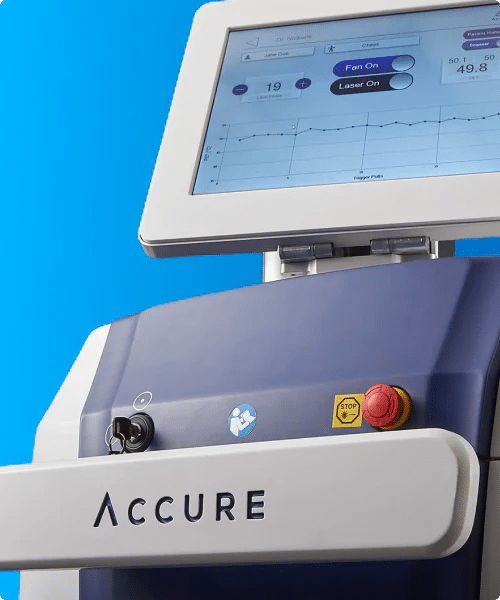
The Accure laser uses a 1726nm wavelength that selectively targets the sebaceous glands to reduce excess oil production at the source. Unlike surface-level treatments, this wavelength penetrates to the depth of the gland itself rather than treating only the skin surface.
In acne management, the Accure laser may be considered for patients with persistent inflammatory acne driven by overactive sebum production, particularly those seeking a non-hormonal procedural option or those who are not suitable candidates for systemic hormonal therapy.
It may be used as an adjunct to oral or topical medical therapy rather than as a standalone treatment. At DermAlly, treatment parameters are calibrated to the patient’s skin type and acne pattern.

Cystic acne lesions can take weeks or even months to resolve on their own, often leaving deep and permanent acne scarring. For persistent acne, a mild steroid injection can quickly reduce inflammation, lowering the risk of scarring.

Sometimes, chemical peels may be used to remove dead skin at the epidermis and dermis levels and to treat acne with blackheads and whiteheads, as well as superficial acne scars.

The yellow laser delivers 577nm light energy that targets two acne drivers simultaneously: it reduces Cutibacterium acnes bacteria within sebaceous glands, and it shrinks the dilated blood vessels around inflamed lesions to reduce redness.
It is also helpful for post-inflammatory erythema (PIE), which is a persistent red mark left after acne heals.
The yellow laser is performed under the supervision of an MOH-accredited dermatologist at DermAlly.

Fractional Microneedling Radiofrequency (RF) Treatment is a technology that uses radiofrequency with micro-needling.
While it is more commonly associated with treating acne scars, it has also been shown to effectively treat active acne.
Fractional Microneedling Radiofrequency (RF) Treatment does this by using radiofrequency energy to kill the acne-causing bacteria on the skin and reduce the size of oil glands.
When used at the optimal setting, it is effective for treating nodulocystic acne, with an overall improvement in skin texture.
Explore our Fractional Microneedling Radiofrequency (RF) Treatment and RF Gold Microneedling Treatment.
Not every breakout requires specialist care immediately. Mild acne may sometimes improve with consistent over-the-counter treatment and supportive skincare habits. However, there are situations where seeing a dermatologist earlier can help reduce the risk of long-term scarring, persistent inflammation, or unnecessary treatment cycles.
If your acne has not improved after three months of consistent over-the-counter treatment, it may be time to reassess the diagnosis and treatment approach. This is especially true if breakouts are becoming deeper, more painful, or increasingly widespread.
Painful nodules or cystic acne generally warrant earlier medical treatment because these forms of acne are more likely to leave permanent scarring. Early intervention is also important when acne marks, or PIH, continue to spread even after active pimples settle.
Some patients also notice that their acne worsens despite using conventional acne treatments. In certain cases, this may suggest an alternative diagnosis such as fungal acne, which behaves differently from bacterial inflammatory acne and requires a different treatment approach.
Hormonal patterns can also be a clue. Acne accompanied by irregular periods, excessive facial or body hair growth, or thinning of scalp hair may point to underlying androgen-related hormonal influences that require a broader assessment and management.
Beyond the skin itself, acne can also affect confidence, social comfort, and day-to-day well-being. Persistent or visible acne does not need to become “severe enough” before seeking help.
Patients who are pregnant, trying to conceive, or planning pregnancy should also speak to a dermatologist before continuing certain acne medications, as some treatments are not considered safe during pregnancy.
Different acne stages require different interventions, and timing matters. Book an acne consultation with DermAlly Singapore dermatologists to understand what your skin needs.
One of the biggest misconceptions about acne is that it is “just cosmetic” or something that should simply be waited out. In reality, every active inflammatory breakout carries some risk of acne scarring, particularly when inflammation becomes deep, persistent, or repeatedly affects the same areas of skin.
The longer inflammation remains uncontrolled, the greater the likelihood of permanent structural damage. This is why deeper forms of acne, such as nodular and cystic acne, are more strongly associated with long-term scarring.
Post-acne changes can take several forms. Some patients develop atrophic acne scars, where collagen loss creates visible depressions in the skin. These may appear as:
Others may develop hypertrophic or keloid scars, where excess scar tissue forms raised, thickened areas.
Pigmentary changes are also common, especially in Asian skin. PIH appears as lingering brown marks after acne heals, while PIE refers to persistent red or pink marks caused by residual vascular inflammation.
Dermatologists often see a strong relationship between delayed acne treatment and eventual scar burden. Acne that remains active for months or years generally becomes harder to reverse completely later on.
This also matters because acne scar treatment is usually more complex than acne treatment itself. Scar management often requires multiple procedures, longer treatment timelines, and combination approaches that involve lasers, RF microneedling, subcision, or resurfacing.
For this reason, treatment sequencing matters. The priority is to stabilise active acne and limit ongoing inflammation. Scar-directed treatments are usually introduced later, once new breakouts are adequately controlled.
One of the most common frustrations in acne treatment is feeling like nothing is improving quickly enough. In reality, most acne treatments work gradually because they are changing how the skin behaves beneath the surface, not simply drying out visible pimples overnight.
Timelines also vary between individuals depending on acne type, severity, hormonal influences, treatment consistency, and whether scarring or barrier irritation is already present.
Topical treatments such as retinoids, benzoyl peroxide, and prescription combination creams usually require at least four to eight weeks of consistent use before noticeable improvement becomes visible.
This is because the treatment cycle involves reducing micro-comedone formation, regulating oil flow, and calming inflammation over time rather than immediately shrinking every active breakout.
Oral antibiotics are commonly used for moderate inflammatory acne to reduce deeper inflammation and bacterial overgrowth.
Visible improvement often begins around six to eight weeks, although acne treatment courses may continue for three to six months, depending on how the acne responds. These medications are typically combined with topical treatments to improve long-term control and reduce antibiotic resistance.
Hormonal treatments such as combined oral contraceptives and spironolactone work more gradually because they influence the hormonal drivers contributing to oil production and breakouts.
Significant improvement may take three to six months, particularly in patients with adult female acne or jawline-predominant hormonal acne.
Oral isotretinoin is usually reserved for more severe, scarring, or treatment-resistant acne. Treatment courses often continue for several months, with gradual improvement throughout and continued settling even after treatment is completed.
Because the medication affects sebaceous gland activity at a deeper level, results tend to build progressively rather than immediately.
In-clinic treatments vary depending on their role within your acne treatment plan.
Some interventions, such as intralesional steroid injections for painful cysts, may reduce inflammation relatively quickly over 24 to 48 hours.
Others, including yellow laser treatment or RF microneedling, work more progressively across a series of sessions as inflammation, oil production, and skin texture gradually improve.
When medical-grade actives, especially topical retinoids, accelerate skin turnover, micro-comedones already forming beneath the surface come to the surface faster than they otherwise would. The result is a temporary flare in the first 4–6 weeks of treatment that can look like the medication is making things worse, but it is actually the medication working.
Skin purging is distinct from a true breakout caused by irritation, the wrong product, or treatment failure. The two look similar to the patient but behave differently: purging affects areas where you typically break out and clears within 4–6 weeks, while irritation tends to appear in new areas and persists.
Your dermatologist will distinguish the two during follow-up. This is one of the reasons dermatologists at DermAlly monitor early-stage progress closely rather than leaving you to interpret it alone, and why so many self-managed acne treatments are abandoned in week 3 just before they would have started working.
Most acne treatments involve an adjustment period, especially during the early stages when the skin is adapting to active ingredients or inflammation is beginning to settle. Not every patient experiences side effects to the same degree, and treatment plans are often modified over time based on skin tolerance and response.
Common temporary effects may include:
These effects are often manageable with reduced application frequency, gradual introduction, and good moisturisation.
Possible effects include:
Potential side effects may include:
Because of this, oral antibiotics are usually prescribed for limited periods rather than long-term continuous use.
Common and important considerations include:
Oral isotretinoin also carries significant pregnancy-related risks and must not be used during pregnancy because of its teratogenic effects on foetal development. Women of childbearing potential require careful contraception planning during treatment.
Treatments such as yellow laser, RF microneedling, and steroid injections may cause:
Side effects are reviewed at each follow-up so the regimen can be adjusted to your tolerance.
Although both fall under the umbrella of acne, teenage acne and adult acne often behave differently beneath the skin. This is one reason treatment plans are not always the same across age groups.
Teenage acne is commonly driven by the androgen surge that occurs during puberty, which increases oil production and pore congestion. Breakouts often affect the forehead, nose, and central face, with a mix of blackheads, whiteheads, and inflammatory pimples.
Acne treatment for teenagers is frequently centred around topical therapy, including retinoids, benzoyl peroxide, and prescription anti-inflammatory combinations. Adjunctive treatments, such as chemical peels or selected acne laser treatments, may also be introduced depending on the degree of inflammation and the risk of scarring.
Adult acne, particularly after age 25, behaves differently in many patients. Breakouts are more often concentrated around the jawline, chin, and lower cheeks, with deeper and more persistent inflammatory lesions.
Women in their 30s and 40s may also experience cyclical hormonal flares linked to menstruation, perimenopause, or androgen-related conditions. In these cases, hormonal therapies such as spironolactone or combined oral contraceptives are more commonly considered.
Adult skin also tends to be more sensitive and more prone to barrier reactivity than teenage skin, making it more easily disrupted by aggressive acne routines. This is why treatment often needs to balance acne control with barrier stability and long-term skin tolerance.
Pregnancy changes what can safely be used for acne treatment. Many standard acne medications are not considered safe during pregnancy or during pre-conception planning because of potential risks to foetal development.
These include:
At the same time, pregnancy-related hormonal shifts can also trigger or worsen breakouts, particularly in patients already prone to adult acne.
Some pregnancy-safe treatment options may still be considered depending on the individual situation. These can include ingredients such as azelaic acid, selected topical antibiotics, low-concentration glycolic acid, and certain light-based treatments such as blue or yellow light therapy.
Because treatment suitability varies across individuals and stages of pregnancy, it is important to disclose pregnancy, breastfeeding, or preconception plans during the consultation. Acne treatment plans are adjusted accordingly to prioritise both safety and long-term skin management.
We work hand in hand with our sister practice, The Acne Clinic. Led by Dr Ramita Kaur Shahi, The Acne Clinic is devoted entirely to treating complex breakouts with step-by-step, supportive care tailored to your unique skin story.
This partnership allows patients with more persistent, treatment-resistant, hormonally driven, or psychologically distressing acne to access a more focused acne-management pathway when appropriate.
Rather than approaching acne as a short-term cosmetic issue, care is structured around long-term control, barrier stability, scar prevention, and sustainable maintenance.
For patients requiring more dedicated acne-focused support, referrals can be made directly through our team.
Three MOH-accredited Consultant Dermatologists lead acne treatment at DermAlly with combined experience across academic institutions, public hospitals, and private dermatology practices, including prior training at the National Skin Centre.
Assessment at DermAlly focuses on identifying the underlying acne type and driver before any treatment is selected. Conditions that commonly mimic acne, including fungal folliculitis, perioral dermatitis, and papulopustular rosacea, are assessed and excluded during consultation to avoid prolonged ineffective treatment.
Where clinically indicated, DermAlly also provides hormone testing for acne, cycle-timed blood sampling, and co-management pathways for patients with PCOS, perimenopausal acne, or other endocrine-related presentations.
Treatment capability spans the full acne spectrum, from topical and oral prescription therapy through to in-clinic procedures including intralesional steroid injections, yellow laser, RF microneedling, and the Accure laser. Patients with severe, cystic, or treatment-resistant acne may also be referred to our sister practice, The Acne Clinic, for additional specialist support, where appropriate.
DermAlly operates from two locations in Singapore: Camden Medical Centre in Orchard and Katong i12 on the East Coast.
Consultation for acne at DermAlly begins with a comprehensive clinical history covering acne onset, distribution, and recurrence pattern; menstrual and hormonal history, where relevant; previous treatments and response; current skincare products and supplements; and family history of acne or scarring.
Physical examination includes evaluation of lesion type, acne severity, scarring risk, signs of hyperandrogenism such as excess facial hair or scalp thinning, and any features suggesting an alternative diagnosis.
Where clinically indicated, further assessment may include:
Following the assessment, a staged treatment plan is discussed with the patient. This covers acne type and severity, the recommended treatment approach and why it has been selected, expected timelines and realistic outcomes, maintenance requirements, and any relevant safety considerations such as pregnancy planning or medication monitoring.
Patients are also advised on what to expect during the early stages of treatment, including the possibility of a temporary purging phase with certain medications, as well as when to return for follow-up review.
Singapore’s Private Hospitals and Medical Clinics (PHMC) Act and Healthcare Services Act (HCSA) restrict the use of before-and-after photography in medical advertising. DermAlly fully adheres to these guidelines.
During consultation, DermAlly’s consultant dermatologists explain expected treatment timelines, discuss realistic clinical outcomes, and review management strategies based on the patient’s acne pattern, life stage, and medical history. Where appropriate, peer-reviewed clinical literature may also be referenced to support treatment counselling.
There is no single “best” acne treatment for everyone because acne behaves differently from person to person. The most appropriate treatment depends on your acne type, severity, hormonal involvement, scarring risk, skin sensitivity, and how long the acne has been active.
For example, mild comedonal acne may respond well to topical treatment alone, while cystic or hormonal acne often requires oral medication or adjunctive procedures. A dermatologist’s role is to identify the underlying drivers and build an acne treatment plan suited to your specific skin behaviour.
Selected forms of acne laser treatment can help reduce inflammation and support acne control when used alongside medical therapy. Yellow laser treatment works partly by reducing Cutibacterium acnes activity and calming the vascular inflammation associated with red, inflamed breakouts.
RF microneedling is different. It is more commonly used later in the treatment journey because it can help regulate oil production while also improving early acne scarring and skin texture changes.
Laser treatments are considered adjunctive acne treatments. They work best when introduced at the right stage of the treatment plan rather than as a standalone approach.
Acne treatment usually works gradually rather than immediately. Topical treatments often require four to eight weeks of consistent use before noticeable improvement appears, while oral antibiotics may take six to eight weeks to show visible changes. Hormonal therapies typically take several months to take effect.
Some in-clinic treatments, such as steroid injections for painful cysts, can improve more quickly, while treatments like RF microneedling or laser therapy work progressively over multiple sessions.
During the early stages, some patients also experience temporary “skin purging,” where clogged pores surface more quickly before the skin begins to improve.
Mild to moderate acne can often be managed effectively by a general practitioner, particularly when breakouts are relatively straightforward and responsive to first-line treatment.
However, dermatologist input becomes more important when acne is persistent, severe, scarring, painful, hormonally driven, or not improving despite appropriate treatment. Patients with suspected fungal acne may also benefit from specialist assessment because it behaves differently from conventional inflammatory acne and can resemble other skin conditions.
The decision is usually less about “how bad” acne looks and more about how it is behaving over time.
Over-the-counter acne products can be helpful for mild congestion and early comedonal acne, but they are generally designed for milder surface-level acne concerns.
Moderate or severe acne often involves deeper inflammation, hormonal influences, increased oil gland activity, or persistent follicular blockage, requiring stronger prescription-strength treatment. Some patients may also be dealing with fungal acne or barrier irritation rather than conventional acne alone.
Medical acne treatment focuses on the underlying drivers contributing to breakouts, including inflammation, bacterial activity, oil production, and abnormal skin cell turnover, rather than only drying out visible pimples.
This is commonly referred to as “skin purging” and is especially associated with topical retinoids. As skin turnover accelerates, clogged pores already forming beneath the surface are pushed upward more quickly, which can temporarily make acne appear worse during the first four to six weeks of treatment.
Purging is different from irritation or treatment failure. It usually occurs in areas where you already tend to break out, and it gradually settles over time.
Because the early stages can resemble worsening acne, follow-up monitoring helps determine whether the acne treatment is progressing as expected or needs adjustment.
Some treatments overlap, but the underlying drivers are often different. Teenage acne is commonly linked to puberty-related surges in androgens and tends to involve greater congestion across the forehead and T-zone.
Adult acne is more frequently hormonal, deeper, and concentrated around the jawline and lower face. Adults also tend to have more sensitive or barrier-reactive skin, which means aggressive acne routines may worsen irritation rather than improve breakouts.
Acne treatment plans are therefore tailored not only to acne severity, but also to age, hormonal patterns, skin sensitivity, and long-term relapse risk.
Oral acne medications can have side effects, but these are monitored closely during treatment. The type and severity of side effects vary depending on the medication used, the dosage, and the individual patient.
For example, oral isotretinoin commonly causes dryness of the lips and skin, while antibiotics may cause gastrointestinal sensitivity or sun sensitivity. Dermatologists manage these risks through dose adjustments, follow-up reviews, and laboratory monitoring where appropriate.
For women of childbearing potential, oral isotretinoin requires strict pregnancy avoidance and contraception planning because of its significant teratogenic risks during pregnancy.
Diet is one factor that may influence acne in some individuals, but it is rarely the sole cause. High-glycaemic-load foods and dairy intake have been associated with acne severity in some studies, although responses vary significantly between patients.
Some people notice clearer trigger patterns than others, while many experience little obvious dietary correlation at all.
Acne usually develops through a combination of factors, including genetics, hormones, inflammation, oil production, skincare habits, and lifestyle influences. This is why dietary modification alone is often insufficient for moderate or severe acne.
Facial extractions can help clear congestion when performed appropriately. However, aggressive manual extraction of inflamed acne may worsen irritation, push inflammation deeper, and increase the risk of post-inflammatory hyperpigmentation (PIH) or scarring.
This is particularly relevant for deep inflammatory acne, nodules, or cystic lesions, which should generally not be repeatedly squeezed or manipulated.
Medical alternatives may include controlled HydraFacial-style clearing, sterile professional comedone extraction, chemical peels, or intralesional steroid injections for individual painful cysts. The appropriate approach depends on the type of acne being treated.
Acne is often a chronic condition that fluctuates over time. Hormones, stress, sleep, lifestyle changes, and different life stages can all influence recurrence patterns, especially in hormonal acne.
A structured dermatologist-guided treatment course can significantly improve long-term control and reduce relapse risk compared to inconsistent self-treatment alone. However, some patients still require maintenance therapy to keep acne stable after active treatment ends.
This does not necessarily mean the acne treatment has “failed”. In many cases, acne management is more about long-term control and prevention than about achieving a permanent one-time cure.
Following the diagnosis of acne, our dermatologists will discuss a personalised treatment plan with you.
#05-01/02
#03-08
Book an appointment with our expert dermatologists. Please select your preferred clinic below.