How Dermatologists Treat Cystic Acne and Prevent Scarring

Summary:

In Singapore, acne affects up to 88% of adolescents, with half experiencing moderate or severe acne. For some people, the breakouts eventually fade with time. For others, the inflammation becomes deeper, more painful, and harder to control.

Unlike smaller surface pimples, cystic acne forms deeper beneath the skin. The swelling can persist for weeks and continue damaging surrounding tissue even after the breakout settles.

This is one reason many patients begin seeking cystic acne treatment in Singapore, not only to control active acne, but also to reduce the risk of permanent scarring with the help of a dermatologist.

Why does cystic acne scar more easily than other forms of acne? And why do many over-the-counter treatments struggle to control severe acne? Read on to find out.

What Cystic Acne Is (and What Makes It Different from Other Acne)

Many people use the term cystic acne to describe any large or painful breakout. But from a dermatological perspective, it is typically understood as a description of acne severity rather than a separate acne type.

Unlike blackheads or small surface pimples, cystic acne involves large, tender nodules and pus-filled cysts that develop far below the skin surface. These lesions are often larger than 5mm and can persist for weeks at a time. Many patients describe them as feeling “stuck underneath” the skin because they do not come easily to a head or drain naturally.

This is also what separates nodular acne and severe inflammatory acne from milder forms of acne:

  • Comedonal acne mainly involves blackheads and whiteheads formed by clogged pores near the surface.
  • Papular acne produces smaller red bumps that remain relatively superficial.
  • Pustular acne contains visible pus, but the inflammation usually sits closer to the surface of the skin.

With deep, painful acne, the inflammation behaves differently. The lesions tend to remain swollen for longer, feel more tender to the touch, and carry a higher risk of lingering pigmentation and textural skin changes after healing.

Why Cystic Acne Forms: The Pathophysiology in Plain English

Many people think acne begins at the surface of the skin. In reality, several of the major causes of cystic acne develop much deeper beneath the skin. By the time a painful cyst becomes visible, the inflammatory process has often already been building for days or even weeks out of sight.

A major contributor to deep acne formation is increased activity within the sebaceous glands, which produce oil, or sebum. This process is often influenced by androgens, the hormones that become more active during puberty and can continue fluctuating into adulthood.

At the same time, the lining inside the pore begins shedding skin cells abnormally. Dermatologists refer to this as follicular hyperkeratinisation. Instead of clearing naturally to the surface, dead skin cells start collecting within the follicle and form a blockage. Oil, debris, and dead cells then become trapped beneath the skin.

This blocked environment allows Cutibacterium acnes (formerly known as Propionibacterium acnes) to proliferate more easily. As bacterial load and trapped material continue building inside the follicle, the immune system responds with increasing inflammation.

This is also where what causes cystic acne begins diverging from smaller surface breakouts. In milder acne, inflammation may remain relatively superficial. In cystic acne, pressure continues building deeper within the skin until the follicular wall eventually ruptures inside the dermis.

Once that rupture happens, inflammatory material spills into the surrounding tissue. The immune response intensifies quickly, leading to swelling, tenderness, pus formation, and a higher risk of collagen damage during healing.

With cystic acne, the visible breakout is often only the tip of an underground fire. By the time the swelling appears on the surface, much of the inflammation has already been spreading deeper within the skin. This also helps explain why many over-the-counter spot treatments struggle to control severe inflammatory acne once it reaches this stage.

This deeper inflammatory process is one reason dermatologists often focus first on calming active inflammation and protecting the skin barrier before discussing procedures for acne scars or pigmentation.

The Hidden Cost of Untreated Cystic Acne: Permanent Scarring

One of the most frustrating things about cystic acne is that the skin can appear to be healing while structural changes are still developing underneath. The swelling settles. The tenderness improves. But collagen may still be repairing unevenly in response to prolonged inflammation.

This is one reason cystic acne scars carry a higher long-term risk than smaller surface pimples or comedonal acne. Because the inflammation develops deep within the dermis, the healing process can permanently alter the skin’s underlying support structure.

For some patients, collagen breaks down during healing and leaves small depressions in the skin. These scars may appear as narrow ice pick scars, broader boxcar scars, or rolling scars that create uneven texture beneath certain lighting. Others develop raised hypertrophic scars, where excess collagen forms in response to deeper inflammation.

For many patients in Singapore and across Asia, the concern is not only textural scarring. Post-inflammatory hyperpigmentation (PIH) is also common after deep, painful acne. Even after the cyst itself settles, lingering brown, grey, or reddish marks may remain for months, particularly in more pigment-prone skin types.

This is also why many dermatologists place strong emphasis on early treatment. With cystic acne, the visible breakout is often only one part of the inflammatory process. Each active cyst represents a period where the skin remains under ongoing inflammatory stress, which means every untreated flare carries the potential to leave a lasting mark or scar.

This does not mean scarring is inevitable. But the risk rises substantially when severe inflammatory acne remains active for prolonged periods without proper treatment.

Many patients only begin thinking seriously about scar treatment after the acne improves. By then, however, treatment often becomes more complex. Managing active cystic acne is usually simpler, faster, and less expensive than treating established acne scarring, which may require multiple procedures spaced gradually over time.

Why OTC and "DIY" Approaches Fail Cystic Acne

Many forms of OTC for cystic acne struggle to produce meaningful improvement on their own. Ingredients such as benzoyl peroxide, salicylic acid, and over-the-counter adapalene may still play a supportive role in acne management, particularly for milder inflammatory acne or clogged pores near the surface. But cystic acne behaves differently.

Because the inflammation develops much deeper within the skin, surface-level treatments often cannot penetrate effectively enough to control an established cyst once significant swelling has already formed. This is one reason many patients find that a typical spot treatment for cystic acne may dry the surrounding skin without significantly shrinking the painful lump underneath.

The instinct to squeeze or “release” the cyst at home can also make things worse. Unlike superficial whiteheads, cystic lesions often sit too deep beneath the surface to extract cleanly. Repeated squeezing increases trauma to the surrounding tissue and can push inflammatory material further into the skin, increasing the likelihood of prolonged pigmentation and permanent scarring.

Many patients also try controlling cystic acne through oil cleansing routines, restrictive diets, supplements, or social media “detox” trends alone. While lifestyle factors may influence acne severity in some individuals, these approaches are usually insufficient once deep inflammatory acne becomes established.

This does not mean skincare becomes irrelevant. In fact, one of the more common problems dermatologists see in cystic acne is over-treatment. Patients often stack multiple exfoliating acids, retinoids, scrubs, drying treatments, and acne washes simultaneously in an attempt to “force” the acne to clear faster. Instead, the skin barrier becomes increasingly irritated and inflamed.

This is one reason dermatologists often focus on reducing irritation and stabilising the skin barrier while controlling active inflammation more appropriately.

For patients asking, “Can you treat cystic acne at home?”, supportive skincare may still help reduce irritation, but persistent cystic acne usually requires more than OTC skincare products or DIY approaches alone.

How a Dermatologist Diagnoses Severity

A proper cystic acne diagnosis involves much more than counting pimples or identifying whether acne is “bad enough” for treatment. Dermatologists are usually assessing several overlapping factors at the same time, including the type of lesions present, how deeply the inflammation extends, where the acne is distributed, and whether early scarring is already beginning to form.

During a visual examination, dermatologists look closely at the balance between comedones, papules, pustules, nodules, and cysts. The presence of large, painful nodules or deep cystic lesions often shifts the acne into a more severe inflammatory category, even if the total number of breakouts appears relatively limited.

This process of acne severity grading helps guide how aggressively treatment may need to be approached. Mild acne may respond to topical treatment alone, while moderate to severe inflammatory acne often requires earlier escalation to prescription medications or systemic therapy to reduce the risk of ongoing skin damage.

A dermatologist’s assessment of severe acne also involves identifying whether other factors may be contributing to the breakouts. Some patients show a hormonal distribution concentrated around the jawline, chin, and lower face. Others may have overlapping folliculitis that resembles fungal acne, or mechanical triggers caused by friction, occlusion, helmets, masks, or sportswear.

In selected cases, dermatologists may also recommend bloodwork or hormonal testing. This is usually considered when patients show signs suggestive of androgen excess or conditions such as polycystic ovary syndrome (PCOS), particularly when acne is accompanied by irregular menstrual cycles, increased facial hair growth, or sudden worsening in adulthood.

Scarring risk assessment is another important part of the consultation. Two patients may appear to have a similar number of active lesions while carrying very different risks of long-term textural scarring or pigmentation. This often influences whether a dermatologist takes a more conservative approach or recommends earlier escalation to stronger treatments in order to limit cumulative skin damage over time.

For patients dealing with persistent deep breakouts, recurring painful cysts, or early acne scars, an early dermatological assessment can help clarify both the severity of the acne and the most appropriate next step forward.

Book a consultation with DermAlly’s dermatologists to discuss a personalised cystic acne treatment plan in Singapore.

Treatment Options for Cystic Acne: The Laddered Approach

Treatment for cystic acne usually starts at a higher rung than treatment for mild surface breakouts. In moderate to severe cystic acne, topical products alone are often insufficient, which is why dermatologists frequently combine them with oral medication early in treatment.

Topical Adjuncts (Limited Role Alone)

Topical treatments may still play an important supporting role in prescription cystic acne treatment, particularly alongside oral medication. But in moderate to severe cystic acne, they are usually considered adjunctive rather than standalone therapy.

A dermatologist may consider prescription retinoids such as adapalene or tretinoin to help normalise skin cell turnover and reduce pore blockage over time. Benzoyl peroxide combinations may also be used to reduce bacterial load and inflammatory activity within the skin.

Topical antibiotics such as clindamycin are sometimes prescribed as part of combination therapy, but they are generally paired with benzoyl peroxide to reduce the risk of bacterial resistance developing with prolonged antibiotic exposure.
For patients dealing with lingering pigmentation after active cysts settle, azelaic acid may also be considered to help manage ongoing post-inflammatory hyperpigmentation.

Even when a topical retinoid is prescribed, however, many patients with cystic acne still require oral treatment to adequately control deeper inflammatory disease.

Oral Medications (The Workhorse)

For many patients, oral medication for cystic acne becomes the main driver of treatment because the inflammation extends beyond the depth that topical therapy can reliably reach. The choice of medication usually depends on acne severity, hormonal pattern, scarring risk, previous treatment response, and individual medical considerations.

Oral antibiotics may sometimes be prescribed as a shorter-term transitional treatment to reduce inflammatory activity while longer-term therapies begin taking effect. Because of concerns surrounding antibiotic resistance, dermatologists usually avoid relying on oral antibiotics indefinitely and may combine them with topical therapy instead of using them alone long-term.

For women with hormonally driven cystic acne, anti-androgenic treatment approaches may also be considered. These can include combined oral contraceptives or spironolactone for cystic acne, which help reduce the hormonal signalling that contributes to increased oil production and inflammatory acne activity.

Among all available treatments, oral isotretinoin remains one of the most commonly considered options in Singapore for moderate to severe cystic acne, particularly when acne is persistent, scarring, or resistant to previous treatment.

Isotretinoin is a prescription-only oral retinoid that works by reducing sebaceous gland activity and decreasing pore blockage. Because isotretinoin can cause serious birth defects, pregnancy prevention is a critical part of treatment planning for women of childbearing potential.

At DermAlly, our dermatologists also typically perform baseline and follow-up monitoring during treatment, which may include blood tests and clinical review depending on the patient’s medical profile and dosage requirements. Contact our team for more information.

In-Clinic Procedures

Certain in-clinic procedures may also help support cystic acne management, although they are usually considered adjunctive rather than replacement treatments for moderate to severe inflammatory disease.

For individual large, painful nodules, dermatologists may perform intralesional corticosteroid injections. This type of injection for cystic acne delivers anti-inflammatory medication directly into the cyst and may help flatten particularly swollen lesions relatively quickly over the following one to two days.

Superficial chemical peels using lower-strength salicylic acid may also be used to support ongoing pore management and reduce surface congestion alongside medical therapy.

Laser and energy-based treatments generally play a more limited role during active cystic acne itself, since they do not replace the need to control deeper inflammation medically. However, some procedures may still be considered selectively for lingering redness, post-inflammatory pigmentation, oil regulation, or acne scars once active breakouts become more stable.

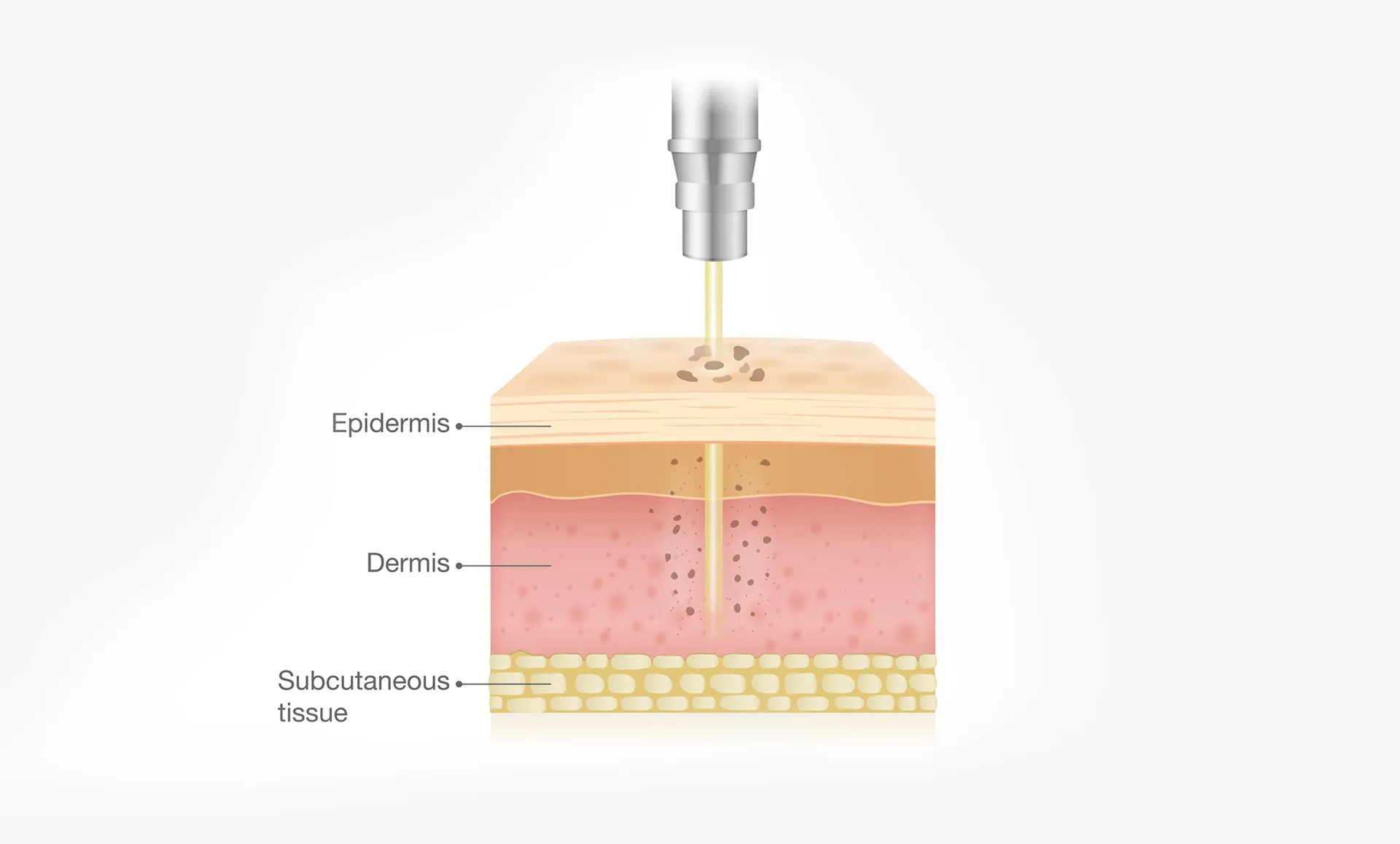
For example, yellow laser treatments may sometimes be used for persistent post-acne redness, while pico laser treatments are more commonly discussed for pigmentation concerns that remain after inflammatory acne settles. Procedures such as RF gold microneedling treatment may also be introduced later in the treatment journey when textural acne scars become the primary concern.

The Isotretinoin Decision: What It Is, How It Works, and What to Expect

Among all available treatments for cystic acne, isotretinoin is often the medication patients ask about most. It is also one of the most misunderstood. Some people see it as a “last resort” treatment. Others assume it permanently cures acne in every case. In reality, isotretinoin is simply one option dermatologists may discuss when acne becomes severe, scarring, or resistant to other forms of treatment.

Isotretinoin is an oral retinoid derived from vitamin A. Unlike surface-level treatments that mainly target the skin from above, isotretinoin works on several of the underlying processes that drive cystic acne. It reduces sebaceous gland activity, decreases oil production, helps normalise abnormal keratinisation inside pores, and makes the skin environment less favourable for Cutibacterium acnes proliferation.

This is one reason isotretinoin is commonly considered for moderate to severe cystic acne, particularly when patients continue developing painful nodules, ongoing inflammation, or early acne scarring despite previous treatment attempts.

The decision to start isotretinoin is usually made together with a dermatologist after discussing acne severity, scarring risk, previous treatment response, medical history, and lifestyle considerations. Before treatment begins, dermatologists typically arrange baseline monitoring, which may include blood tests depending on the patient’s medical profile. Follow-up monitoring is also commonly performed during treatment to assess tolerance and safety.

Because isotretinoin can cause serious birth defects, pregnancy prevention is a critical part of treatment planning for women of childbearing potential. Dermatologists usually discuss contraception requirements carefully before treatment begins and throughout the course of therapy.

The most common effects of this treatment are related to dryness. Lips, skin, and eyes may become noticeably drier during treatment because oil production decreases significantly. Some patients also experience temporary irritation, skin sensitivity, or flaking, particularly during the earlier stages of treatment.

Mood changes are also monitored clinically during isotretinoin therapy, although the relationship between isotretinoin and mood symptoms remains complex and not fully understood. Dermatologists generally assess this as part of ongoing follow-up rather than treating it as a routine expectation.

For patients in Singapore wondering what to expect from isotretinoin, treatment courses usually extend over several months and vary depending on dosage, acne severity, treatment response, and tolerability. Some patients improve gradually over time, while others experience temporary flare activity before inflammation settles more substantially later in the course.

Like many treatments for cystic acne, isotretinoin is not about finding a “perfect” or instant solution. The goal is usually to reduce ongoing inflammatory activity, lower scarring risk, and improve long-term acne control under proper medical supervision.

Book a consultation with DermAlly’s dermatologists to discuss whether isotretinoin or other cystic acne treatments may be appropriate for your skin condition.

Cystic Acne Scar Prevention: Why Time-to-Treatment Matters

Scarring from cystic acne often develops gradually rather than all at once. Each cycle of deep inflammation may contribute to cumulative collagen damage beneath the skin, particularly when severe acne remains active for prolonged periods.

This is why dermatologists place strong emphasis on early intervention. Every active cyst carries the potential to leave behind lingering pigmentation, uneven texture, or permanent scar formation. The longer severe inflammatory acne remains untreated, the more repeated injury the skin must attempt to repair over time.

For patients trying to prevent cystic acne scars, timing matters more than many people initially realise. Early treatment does not simply improve active breakouts in the short term. It may also reduce the total amount of long-term collagen damage accumulating beneath the skin over months or years of repeated inflammation.

This is also why time matters in acne scarring. Many patients spend long periods cycling through over-the-counter products, changing routines repeatedly, or waiting for the acne to settle naturally. By the time proper treatment begins, pigmentation or textural changes may already be developing.

Once scarring becomes established, treatment often becomes a separate journey altogether. Acne scar management may involve multiple treatment modalities spaced gradually over time, depending on scar type, pigmentation pattern, skin sensitivity, and recovery tolerance. In many cases, this process becomes longer, more technically complex, and more expensive than treating active acne earlier in the disease course.

This is why dermatologists usually approach cystic acne in sequence: first stabilising active inflammation, then allowing the skin time to settle before introducing scar-focused procedures where appropriate.

When to Book a Consultation Urgently

Not every breakout requires immediate medical treatment. But cystic acne tends to behave differently from occasional surface pimples, particularly when inflammation becomes persistent, painful, or begins leaving visible marks behind.

For many patients, one of the clearest signs that it may be time to see a dermatologist for cystic acne is the development of multiple deep, tender nodules that continue to recur in the same areas of the face, jawline, chest, or back.

New textural scars, spreading post-inflammatory hyperpigmentation, or dark marks that continue accumulating after each flare may also suggest that inflammation is no longer superficial.

Another common pattern is acne that fails to improve despite consistent over-the-counter treatment for two months or longer. Many patients continue cycling through stronger acids, spot treatments, cleansers, or online acne routines long after the acne has progressed beyond what surface-level treatment can realistically control alone.

Emotional distress related to worsening cystic acne or acne scarring is also a reasonable reason to seek earlier assessment.

In these situations, an earlier consultation may help reduce the amount of ongoing inflammation and scarring accumulating over time. Patients seeking an urgent acne consultation in Singapore can book an appointment today.

How DermAlly's Dermatologists Approach Cystic Acne

At DermAlly, cystic acne treatment usually begins with a full clinical history and skin examination. Our dermatologists assess the type of lesions present, the depth and distribution of inflammation, previous treatment history, scarring risk, and whether any overlapping drivers may be contributing to the acne pattern.

Part of this assessment involves determining whether the acne behaves more like superficial inflammatory acne or deeper cystic disease that may require earlier escalation to oral therapy. For some patients, this may include discussion of treatment options such as oral antibiotics, hormonal therapy, or isotretinoin, where clinically appropriate.

Scarring risk assessment is also an important part of the consultation process. Some patients continue developing new scars despite having relatively few active lesions, while others experience more superficial inflammatory changes with lower long-term textural risk. This often influences how aggressively treatment is approached early on.

Dermatologists may also evaluate whether endocrine or hormonal factors could be contributing to persistent acne, particularly in patients with jawline-predominant breakouts, menstrual irregularities, or other features suggestive of androgen excess. In selected cases, further hormonal workup or cross-referral may be considered.

Active inflammation is generally stabilised before scar-focused procedures are introduced later in the treatment process.

Frequently Asked Questions About Cystic Acne

Treatment timelines for cystic acne vary between individuals and depend on factors such as acne severity, scarring risk, hormonal drivers, and treatment response. Some patients begin noticing improvement within several weeks, while deeper inflammatory acne often requires several months of consistent treatment before stabilising more substantially. Acne scar treatment, if needed later on, usually becomes a separate and longer process from active acne management itself.

Isotretinoin can be an effective treatment option for selected patients with moderate to severe cystic acne when prescribed and monitored appropriately by a dermatologist. However, it also requires careful supervision. The medication can cause serious birth defects if taken during pregnancy, which is why pregnancy prevention and contraception counselling are essential for women of childbearing potential. Dermatologists also typically arrange blood test monitoring and ongoing follow-up throughout treatment to assess tolerance and safety.

Some patients experience long-term improvement after treatment, while others may still develop occasional future breakouts depending on hormonal factors, genetics, skin type, and acne severity. Even when active inflammation improves substantially, maintenance treatment or ongoing skincare may still be needed to help reduce recurrence risk over time. Dermatologists usually tailor long-term management plans based on how the acne behaves after initial treatment stabilisation.

No, you should not do that. It can increase inflammation, push inflammatory material deeper into the skin, and raise the risk of scarring or post-inflammatory pigmentation. Unlike superficial whiteheads, cystic lesions often sit too deep beneath the surface to be extracted safely without causing additional trauma. For particularly painful or swollen cysts, dermatologists may sometimes consider in-clinic options such as corticosteroid injections instead.

Key Takeaway

Book a Professional Consultation for Cystic Acne Treatment in Singapore

Cystic acne often becomes more difficult to treat once repeated inflammation, pigmentation, and scarring begin accumulating over time.

Early assessment may help reduce ongoing skin damage and clarify whether treatments such as oral medication, hormonal therapy, isotretinoin, or scar-focused procedures are appropriate for your skin condition.

Schedule an appointment at DermAlly to get started.

Our articles are written and reviewed by Dr. Coni Liu (MRCS, FAMS) and Dr. Heng Jun Khee (MRCP, FAMS), Ministry of Health-accredited Consultant Dermatologists at DermAlly.

Both are Fellows of the Academy of Medicine (Dermatology) and previously served as Consultants at the National Skin Centre (NSC), bringing extensive experience in medical, surgical, and aesthetic dermatology. They are committed to making expert-led skin education accessible, practical, and clear, helping patients look and feel their best through evidence-based care rooted in science and compassion.

Start your journey towards healthy skin today

Book an appointment with our expert dermatologists. Please select your preferred clinic below.