- Yellow lasers use a 577nm wavelength that primarily targets vascular-related skin changes.
- It’s commonly used to treat rosacea, flushing, visible facial vessels, and broken capillaries.
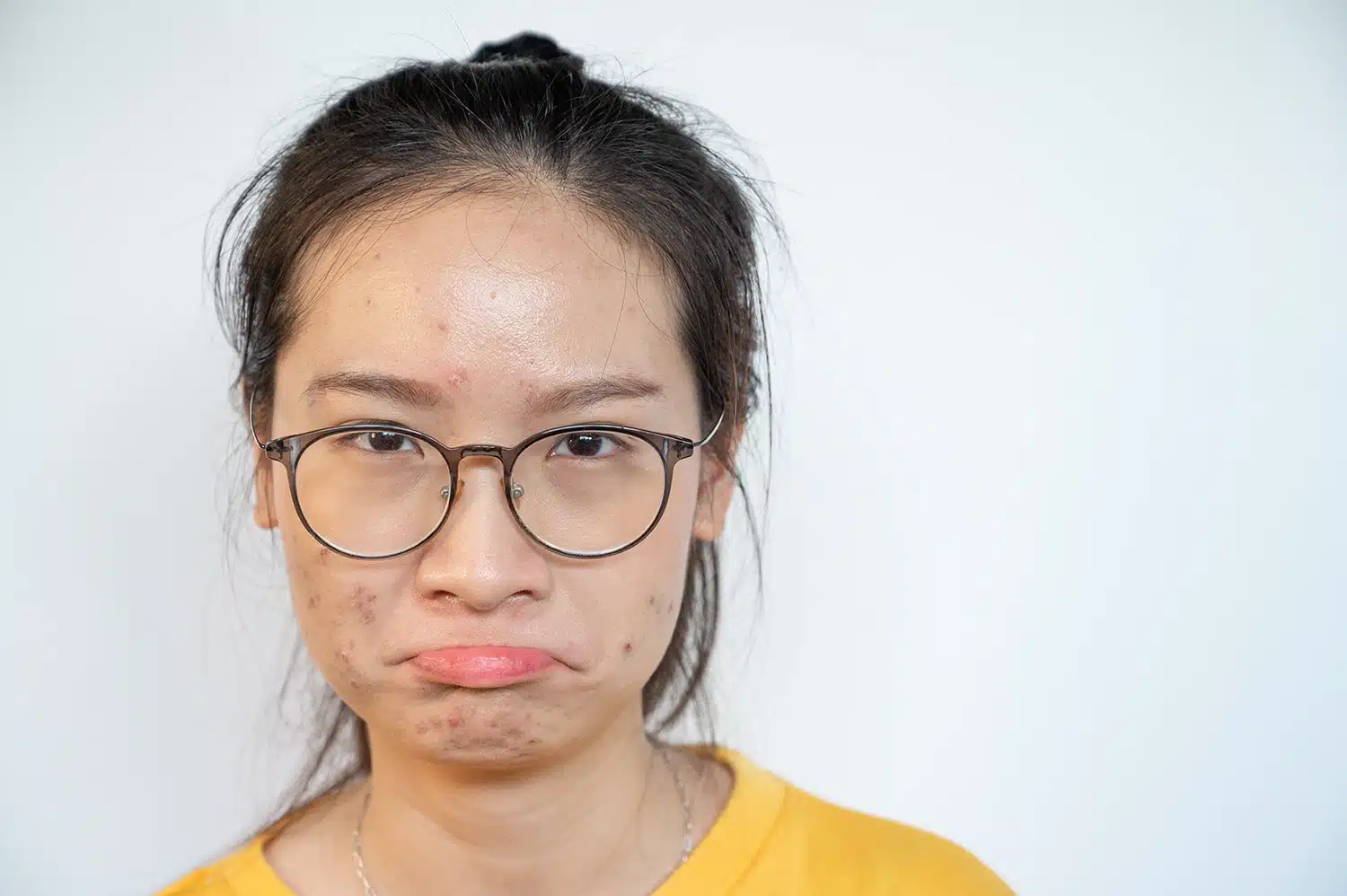
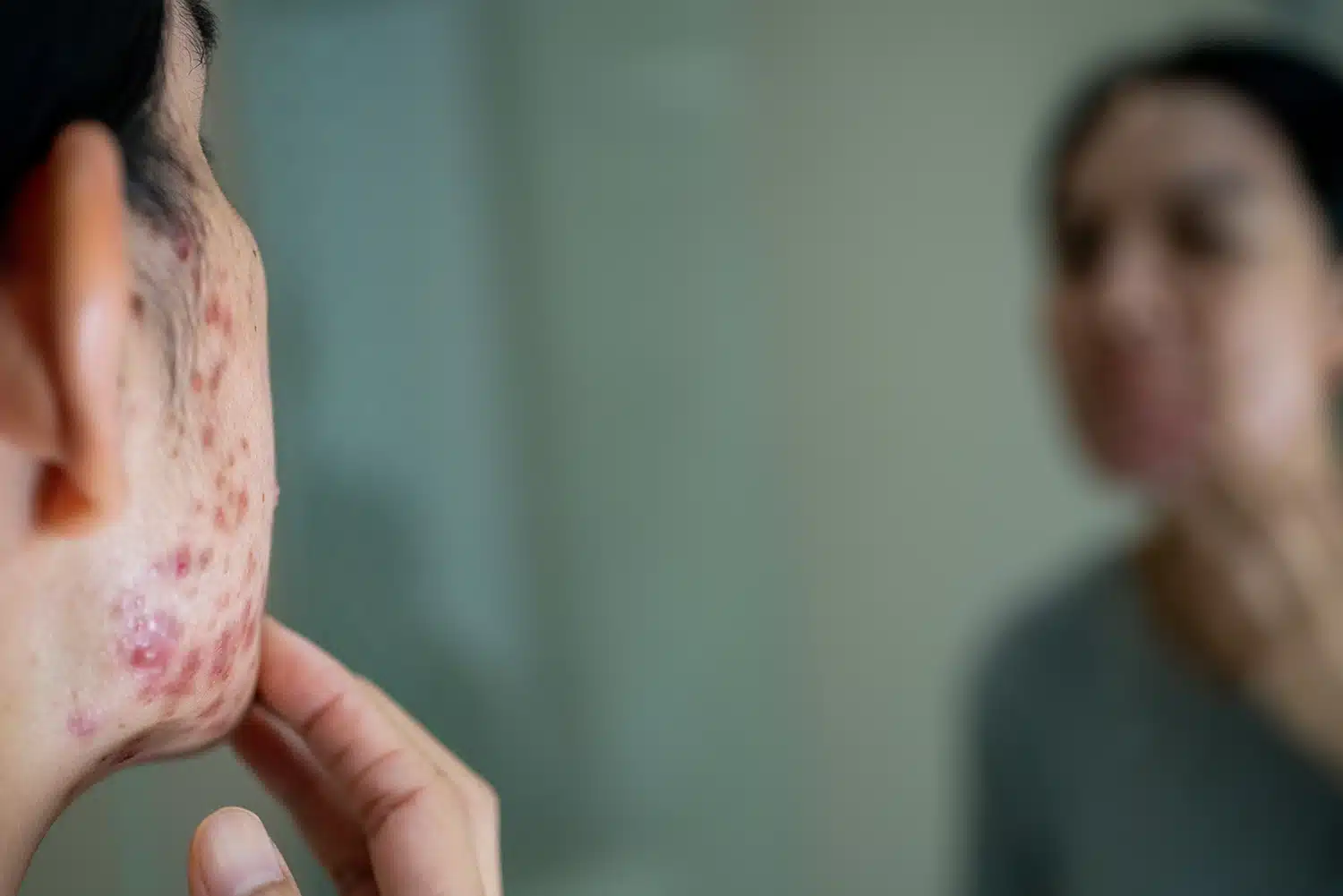
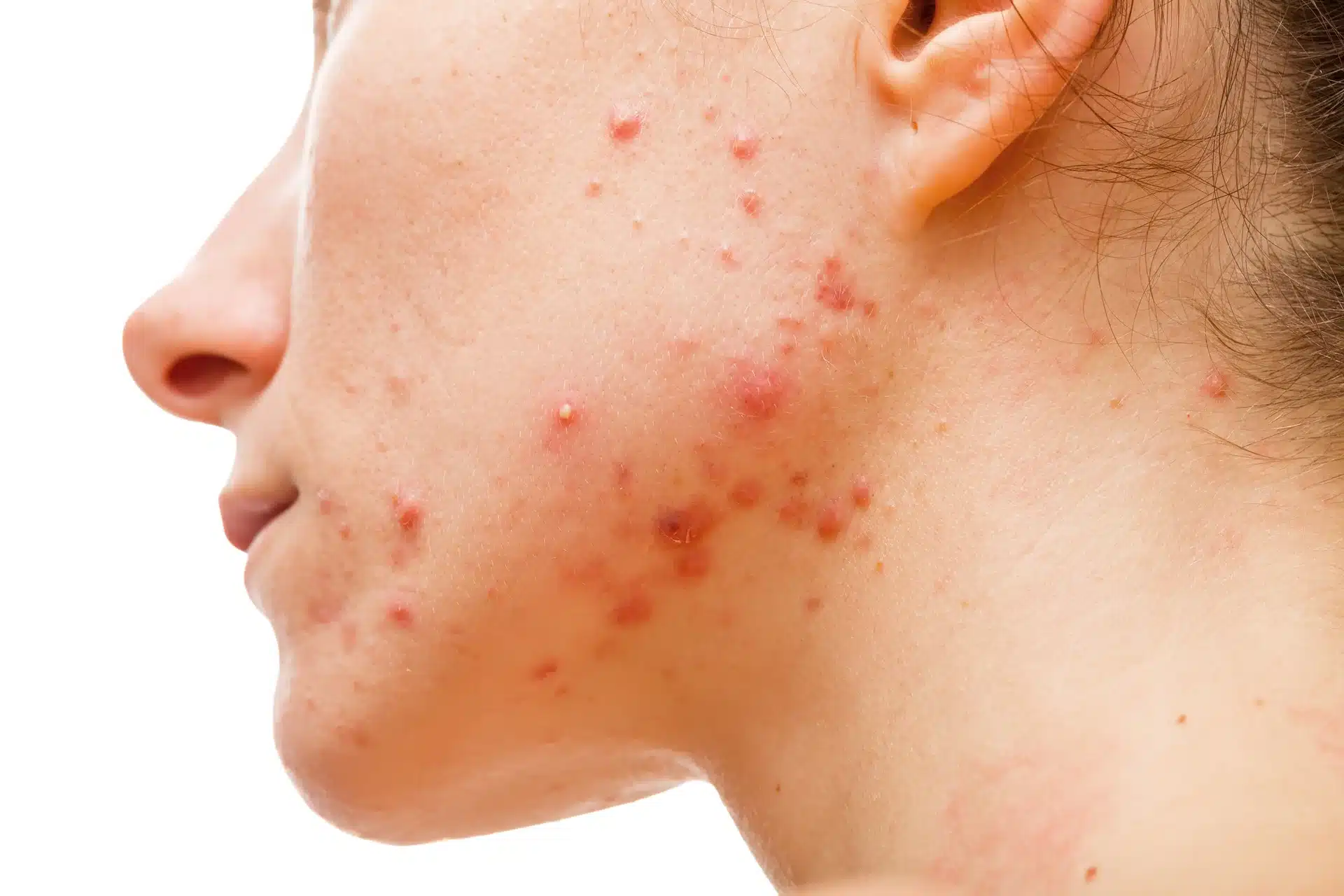
- Post-acne erythema (PIE) often responds differently from pigment-related acne marks.
- Some melasma treatment plans may incorporate a yellow laser alongside topical therapy.
- Improvement is usually gradual and commonly involves multiple treatment sessions.
- Yellow laser treatment is generally considered suitable for many Asian skin types in Singapore when conservative settings are used.
Some people flush easily. Heat, exercise, stress, spicy food, and acne inflammation can all trigger redness across the face. For others, the redness gradually becomes more persistent or starts lingering between flare-ups. Rosacea is one condition where this can happen.
A 2018 study found that among 1,340 rosacea patients, facial redness and visible blood vessels were frequently observed. This is one of the reasons why yellow laser treatment is often considered for rosacea and other conditions involving flushing, superficial facial vessels, and post-acne erythema.
So, what exactly is a yellow laser, and which types of redness is it actually used for? Read on to find out.
What Yellow Laser Is (577nm Wavelength Explained)
Yellow laser treatment uses a 577nm wavelength, which falls within the yellow portion of the visible light spectrum. In Singapore dermatology, the 577nm yellow laser is commonly used in vascular-focused systems designed for redness-related skin concerns. It also has a natural affinity towards oxyhaemoglobin within superficial blood vessels (more on this below).
Some dermatologists consider yellow laser technology a newer complement or alternative to the pulsed dye laser (PDL), which traditionally operates at 595nm.
While both are commonly used in redness-focused laser treatment, newer yellow laser platforms may offer more flexible pulse settings depending on the skin concern being treated. This allows dermatologists to adjust how laser energy is delivered across different vessel patterns and skin sensitivities.
Some platforms may also be adjusted for selected pigment-related indications depending on the patient’s underlying diagnosis and skin type.
The Mechanism: Why 577nm Targets Vessels
The yellow laser works on the principle of selective photothermolysis. In laser dermatology, this refers to using a specific wavelength of light that is preferentially absorbed by a particular target within the skin, known as a chromophore.
For vascular laser treatments, that chromophore is oxyhaemoglobin, the oxygen-carrying component found inside blood vessels. The 577nm wavelength sits close to one of oxyhaemoglobin’s peak absorption ranges, which is why it is frequently used in erythema-focused treatment.
When the laser energy is absorbed, heat is generated within the targeted vessel wall. The vessel then gradually collapses and is reabsorbed by the body over time. Because the wavelength is more selectively directed towards these structures, the surrounding skin tissue is relatively spared compared to less targeted energy delivery.
What Yellow Laser Treats Well
The yellow laser is primarily used for conditions involving persistent erythema, flushing, and visible capillary changes within the skin. However, not all redness behaves the same way, which is why the underlying diagnosis still matters before treatment is considered.
Below are some of the more common dermatological conditions and vascular lesions for which yellow laser treatment may be used.
Rosacea and Persistent Redness
The yellow laser is commonly used for erythematotelangiectatic rosacea (ETR), a subtype characterised by persistent flushing, diffuse facial erythema, and visible capillaries. In rosacea management, the goal is usually not to “cure” the condition, but to reduce the intensity and frequency of flare-ups.
Treatment is often directed towards both background erythema and individual telangiectasia across areas such as the cheeks and nose. Some patients may notice gradual improvement in flushing severity, while others primarily see a reduction in visible vessels.
Most patients require multiple yellow laser sessions spaced across several months, particularly in longstanding rosacea. Maintenance sessions may also be needed because rosacea is a chronic inflammatory condition influenced by triggers such as heat, stress, alcohol, ultraviolet (UV) exposure, and exercise.
Vascular Lesions (Broken Capillaries, Telangiectasia)
Yellow laser treatment is also commonly used for visible capillary changes, including broken facial capillaries, telangiectasia, spider veins, and small vessels around the nose and cheeks.
Smaller isolated lesions may sometimes improve after a single session, particularly when the vessels are fine and well-defined. Denser clusters or larger-calibre vessels may require two to three sessions based on the depth and concentration of the vascular changes.
The treatment endpoint varies according to the lesion type. Some vessels darken temporarily before fading, while others gradually become less visible over several weeks.
Acne Erythema (Post-Inflammatory Erythema, PIE)
Not all acne marks are pigment-related. Some are driven more by inflammation and residual vascular change.
Post-inflammatory erythema (PIE) refers to the persistent red marks left behind after inflammatory acne lesions heal. Unlike post-inflammatory hyperpigmentation (PIH), which appears brown or grey due to pigment deposition, PIE is associated more with residual erythema beneath the skin.
This distinction matters because the treatment approach may differ. In dermatology, the yellow lasers are often considered more appropriate for PIE, whereas Pico lasers are more commonly discussed for pigment-related concerns.
Most patients require a series of treatments, often three to six sessions, depending on severity, skin sensitivity, and the degree of residual inflammation.
Select Melasma Cases
Melasma is primarily a pigmentary condition, but some patients also demonstrate an underlying vascular component beneath the pigmentation. This has led to growing interest in whether vessel-focused laser treatment may play an adjunctive role in selected cases.
In certain dermatology settings, a yellow laser may be incorporated into combination treatment plans at lower fluences and with gentler protocols. The goal is usually not aggressive pigment removal, but modulation of vascular activity that may contribute to melasma persistence in some individuals.
Because melasma is highly relapse-prone, a yellow laser is typically combined with strict photoprotection and topical therapy such as hydroquinone or tranexamic acid.
Cherry Angiomas and Other Benign Vascular Lesions
Cherry angiomas are small, benign vascular growths that appear as bright red or purple papules on the skin. They become more common with age and are frequently found on the trunk, arms, and shoulders, although facial lesions can also occur.
Smaller cherry angiomas often respond within one or two sessions, while thicker or darker lesions may occasionally require additional treatment based on their size and depth.
Not all redness is caused by the same underlying issue. Consult one of our dermatologists at DermAlly for a professional assessment and treatment plan. Schedule an appointment today.
What Yellow Laser Cannot Treat (or Doesn’t Treat Best)
Although yellow laser treatment is useful for many vascular concerns, it is not the most appropriate option for all pigmentation, scarring, or skin texture issues. The underlying depth, chromophore, and biological process still determine which laser or energy-based treatment is more suitable.
For example, deeper pigmentary conditions such as lentigines or melasma are more commonly discussed alongside Pico laser treatment because Pico lasers are designed to target pigment particles more selectively. While a yellow laser may sometimes play an adjunctive role in selected vascular-associated melasma cases, it is generally not considered a primary standalone treatment for pigment alone.
Similarly, deeper vascular lesions, such as certain haemangiomas, may require alternative vascular laser systems, depending on lesion depth and vessel characteristics. Not all blood vessels lie sufficiently superficially for a 577nm wavelength to target effectively.
The yellow laser is also not primarily designed for significant acne scarring, wrinkles, or textural resurfacing. In these situations, treatments such as fractional CO2 laser or RF Gold microneedling are often discussed instead, as they work through controlled collagen remodelling and deeper dermal injury patterns rather than vascular targeting.
Conditions involving deeper dermal pigment, such as Hori’s nevus or nevus of Ota, are also usually approached differently. These lesions typically require pigment-targeting systems, such as Q-switched lasers, because the pigment lies deeper within the dermis than superficial vascular redness.
How Yellow Laser Differs from Other Vascular Lasers
Several laser and light-based systems are used in dermatology to treat flushing, visible vessels, and redness-prone skin. Although these technologies may overlap in some indications, they differ in wavelength, tissue penetration, and treatment selectivity.
Pulsed dye laser (PDL), which commonly operates at 595nm, has traditionally been one of the more established vascular laser systems used for rosacea and telangiectasia. Discussions around “yellow laser vs PDL” are usually less about one technology replacing the other and more about differences in tissue interaction, pulse delivery, patient tolerance, and treatment preference.
IPL (intense pulsed light) works differently because it uses broad-spectrum light rather than a single dedicated wavelength. This allows IPL to address both pigment and vascular concerns simultaneously, but it is generally considered less selective than a dedicated vascular laser. In conversations around “yellow laser vs IPL”, the distinction often comes down to precision versus broader photorejuvenation goals.
Potassium titanyl phosphate (KTP) laser systems, which commonly operate at 532nm, are also used for superficial vascular lesions but have a shallower penetration depth due to their shorter wavelength. This may influence which device is selected, depending on the calibre and depth of the vessels being treated.
Compared with PDL, IPL, and KTP laser systems, the 577nm wavelength used in yellow laser treatment may enable relatively selective vascular targeting in certain Asian skin types due to its absorption profile and more controlled energy delivery.
Yellow Laser for Asian Skin Considerations
Laser treatment for Asian patients often requires additional caution because darker skin types contain more epidermal melanin, which can increase the risk of post-inflammatory hyperpigmentation (PIH) when excessive heat is applied to surrounding tissue.
In dermatology, yellow laser treatment is generally well-tolerated across many Asian skin types because of its relatively selective vascular targeting compared with broader-spectrum light devices such as IPL or more aggressive ablative lasers. However, treatment settings still need to be carefully adjusted based on the patient’s skin type, level of inflammation, and sensitivity.
For Asian patients in Singapore considering yellow laser, strict sun protection is important before and after treatment because UV exposure can worsen inflammation, trigger pigmentary rebound, and increase the risk of recurrence in redness-prone conditions.
What to Expect During a Yellow Laser Session
Before a yellow laser session begins, the skin is usually cleansed to remove sunscreen, skincare products, or makeup. Depending on the treatment area and individual sensitivity, some clinics may also apply a topical numbing cream beforehand, although this is not always necessary for vascular-focused treatments.
Protective eye shields or goggles are worn throughout the procedure because laser wavelengths can damage the eyes if exposed directly.
Treatment time varies depending on the size and number of areas being treated. Smaller focal lesions may take only a few minutes, while more extensive facial redness or diffuse erythema can take around 10 to 30 minutes.
Patients often describe the sensation as a brief, warm snapping feeling against the skin. Most people describe the sensation as tolerable, although sensitivity varies depending on treatment intensity and location.
Recovery and Aftercare
Yellow laser recovery is generally relatively straightforward compared to more aggressive ablative laser procedures. Mild redness or swelling may last for several hours after treatment, although some patients may remain pink for one to two days, depending on the treatment intensity and skin sensitivity.
When larger or more concentrated vascular lesions are treated, temporary bruising may occasionally occur. This usually improves gradually over one to two weeks.
During recovery, gentle skincare is typically preferred. Harsh exfoliants, retinoids, and irritating active ingredients are often paused temporarily while the skin settles.
Strict sun protection also remains important after treatment. Excessive ultraviolet UV exposure can worsen inflammation, increase pigmentary risk, and contribute to recurrence in chronic redness-prone conditions.
Sessions Required and Realistic Timelines
The number of yellow laser sessions required varies according to the underlying condition, severity, and vascular pattern being treated.
For rosacea and persistent diffuse erythema, yellow laser treatment is commonly performed across a series of sessions rather than as a single procedure. Many patients undergo around three to six sessions spaced approximately four to six weeks apart, particularly when background flushing and visible vessels coexist.
Smaller isolated vascular lesions, such as fine capillaries or cherry angiomas, may sometimes respond within one or two sessions. Larger or denser vessel clusters may require additional treatment depending on their depth and concentration.
For post-inflammatory erythema after acne, improvement is also usually gradual rather than immediate. Multiple sessions are often required because residual redness typically fades over time.
In melasma-related treatment plans, the yellow laser is generally used as an adjunctive maintenance tool rather than a one-time pigment-removal procedure. Because melasma is chronic and relapse-prone, long-term control often depends on ongoing topical therapy, trigger management, and photoprotection alongside procedural treatment.
Risks and Side Effects
Like all laser procedures, yellow laser treatment carries potential risks and side effects even when performed conservatively.
The most common reactions are temporary redness, mild swelling, warmth, and transient sensitivity immediately after treatment. Localised bruising may also occur, particularly when more visible vessels or concentrated vascular lesions are targeted directly.
Some patients may develop temporary crusting or darkening over treated spots before the area gradually clears during healing.
PIH can also occur, although the risk is generally considered lower compared to more aggressive thermal or ablative laser procedures. The likelihood varies according to skin type, treatment intensity, recent sun exposure, and underlying inflammation.
Recurrence is another important consideration, particularly in chronic conditions such as rosacea and melasma. Even after improvement, redness and pigmentation may gradually return if triggers such as UV exposure, heat, inflammation, or hormonal factors remain active.
Combining Yellow Laser with Other Treatments
In Singapore, yellow laser treatment is not always used on its own. Some patients have overlapping concerns involving redness, pigmentation, inflammation, or acne marks, which may require a combination of treatments rather than a single modality.
Yellow Laser and Pico Laser
Some patients may undergo yellow laser alongside pico laser treatment when vascular redness and pigmentary concerns coexist.
Rather than competing treatments, the procedures are often selected for different targets within the skin.
Yellow Laser and Rosacea Management
In rosacea management, yellow laser may sometimes be combined with topical therapies such as retinoids, anti-inflammatory creams, or prescription medications, depending on the patient’s presentation and skin tolerance.
Topical treatment is often introduced gradually alongside procedural therapy to reduce unnecessary irritation.
Yellow Laser and Melasma Treatment
For selected melasma cases, the yellow laser is more commonly approached as part of a broader management strategy rather than a standalone pigment treatment.
Because melasma involves multiple overlapping pathways, combination approaches involving topical depigmenting agents and photoprotection are often preferred.
Why Treatments Are Usually Spaced Apart
When multiple procedures are performed, sessions are usually staggered rather than aggressively layered in the same visit.
The timing depends on the patient’s skin sensitivity, recovery response, and overall treatment plan.
How DermAlly Uses Yellow Laser
At DermAlly, yellow laser treatment is typically approached from a diagnosis-led perspective rather than treating all facial redness the same way. Our dermatologists consider factors such as vessel pattern, inflammation level, skin sensitivity, pigment involvement, and barrier stability before treatment settings are selected.
Depending on the underlying condition, a yellow laser may be used alone or incorporated into a broader management plan that includes topical medication, barrier repair, pigment-focused treatment, or trigger management.
Frequently Asked Questions About Yellow Laser in Singapore
1. How many sessions of yellow laser do I need for rosacea?
Many patients with rosacea undergo three to six yellow laser sessions spaced several weeks apart. However, the exact number varies with the severity of flushing, the visibility of vessels, trigger control, and skin sensitivity.
2. Does a yellow laser hurt?
Most patients describe the sensation as a brief, warm snapping feeling against the skin. The procedure is generally considered tolerable, although sensitivity varies depending on the treatment area and laser settings used.
3. Will my redness come back after the yellow laser?
It can. Conditions such as rosacea are chronic and influenced by triggers including heat, stress, ultraviolet (UV) exposure, alcohol, and inflammation. While a yellow laser may help reduce redness and visible vessels, maintenance treatment and trigger management are often still important.
4. Is a yellow laser safe for melasma?
In selected cases, a yellow laser may be incorporated into melasma treatment plans at lower fluence settings and with conservative protocols. However, melasma is complex and relapse-prone, so treatment is usually combined with topical therapy and strict photoprotection rather than relying on laser treatment alone.
5. Can a yellow laser treat acne scars?
The yellow laser is more commonly used for post-inflammatory erythema (PIE), which refers to persistent red acne marks. It is not primarily designed for atrophic acne scars, textural scarring, or deeper collagen remodelling.
6. How is a yellow laser different from IPL?
Yellow laser uses a dedicated 577nm wavelength, whereas IPL uses broad-spectrum light across multiple wavelengths. This generally makes the yellow laser more selective for vascular-related concerns, while IPL is often used for broader photorejuvenation and combined pigment and redness treatment.
Key Takeaway
- Not all facial redness is caused by the same underlying process.
- The yellow laser is primarily used for superficial vascular and redness-prone skin concerns.
- Treatment suitability depends on the underlying diagnosis, skin sensitivity, and vessel pattern.
- Combination treatment may sometimes be needed when pigmentation and vascular changes coexist.
- Long-term control often also involves trigger management, skincare, and photoprotection.
Start With a Professional Skin Assessment
Facial flushing, post-acne redness, rosacea, and pigmentation can sometimes overlap clinically. A dermatological assessment helps clarify which processes may be contributing to the skin changes.
Book a consultation with our DermAlly team in Singapore to discuss whether the yellow laser may be appropriate for your skin condition.



Our articles are written and reviewed by Dr. Coni Liu (MRCS, FAMS), Dr. Heng Jun Khee (MRCP, FAMS), and Dr. Cheng Hui Mei (FAMS), Ministry of Health-accredited Consultant Dermatologists at DermAlly.
All three are Fellows of the Academy of Medicine (Dermatology) and previously served as Consultants at the National Skin Centre (NSC), bringing extensive experience in medical, surgical, and aesthetic dermatology. They are committed to making expert-led skin education accessible, practical, and clear, helping patients look and feel their best through evidence-based care rooted in science and compassion.