- Acne treatment depends on the acne subtype, not just breakout severity
- Hormonal, fungal, cystic, and truncal acne require different treatment approaches.
- Singapore’s humidity and exposure to sweat often aggravate inflammatory breakouts.
- Treatment may escalate from skincare and topical therapy to oral medication.
- Acne scars are usually harder to treat than active acne itself.
- Laser treatment is not appropriate for every stage of active acne.
With so many types of acne treatments today, from skincare products to laser procedures in Singapore, you’d think achieving clearer skin would be straightforward. But it’s not.
In Singapore, acne affects up to 88% of adolescents, with around half experiencing moderate to severe disease. Some even continue struggling with adult acne.
The challenge is that different types of acne respond differently to treatment. What helps one person may irritate or worsen another person’s skin.
So how do dermatologists decide which acne treatment is appropriate? When should you consider medical treatment instead of over-the-counter skincare? And are treatments like lasers always suitable for active acne?
Read on to find out.
The Six Types of Acne (and Why Treatment Differs)
One of the biggest misconceptions about acne is that all types behave the same way. In reality, different types of acne develop through different inflammatory pathways, triggers, and skin environments. This is why treatments must be individualised rather than copied from social media trends or another person’s skincare routine.
Comedonal Acne
Comedonal acne mainly appears as blackheads (open comedones) and whiteheads (closed comedones), typically around the forehead, nose, and chin. It is usually caused by pore blockage, excess oil, and dead skin buildup rather than deep inflammation. Hence, the skin often looks congested or feels rough and bumpy without significant redness or tenderness.
Inflammatory Papular and Pustular Acne
Inflammatory acne develops when blocked pores become inflamed, leading to red bumps, pus-filled spots, tenderness, and surrounding redness. Some patients experience occasional flares, while others develop more persistent inflammatory disease. Compared to comedonal acne, this type tends to appear angrier, more sensitive, and more visibly inflamed.
Hormonal Acne
Hormonal acne, also known as adult acne, is often linked to androgen sensitivity and commonly affects the jawline, chin, lower cheeks, and neck. It is especially common in adult women and may flare up around menstruation, stress, or hormonal shifts. Adult acne in Singapore is increasingly seen beyond the teenage years, with many patients noticing that their breakouts behave differently from the acne they experienced during adolescence.
Cystic and Nodular Acne
Cystic acne and nodular acne are deeper, more severe forms of inflammatory acne that can appear as painful, swollen lumps beneath the skin. These lesions tend to persist longer and carry a much higher risk of acne scarring and post-inflammatory pigmentation because the inflammation extends deeper into the surrounding tissue. Picking or squeezing the area can further increase tissue injury and prolong recovery.
Fungal Acne (Malassezia Folliculitis)
Fungal acne is not true bacterial acne but a yeast-driven condition involving Malassezia, which naturally exists on the skin. It often appears as small, uniform, itchy bumps across the forehead, chest, shoulders, or back.
Acne Mechanica and Sweat-Induced Breakouts
Acne mechanica develops when friction, sweat, heat, and occlusion repeatedly irritate the skin, commonly causing back acne and breakouts on the chest, jawline, or areas under masks, helmets, sportswear, or tight clothing. Identifying and reducing the source of friction or occlusion is often an important part of managing this type of breakout.
Why “Acne Treatment” Is Not One-Size-Fits-All
The right acne treatment depends on far more than how severe the breakouts look on the surface. Dermatologists typically assess the type of acne involved, the level of inflammation, whether scarring is developing, how reactive the skin barrier is, and any underlying triggers contributing to the condition.
This is why two patients in Singapore with acne may require completely different treatment approaches.
Different acne treatment types target different biological pathways. Antibiotics may help certain forms of inflammatory acne, but can sometimes worsen fungal-pattern breakouts by further disrupting the skin microbiome. Meanwhile, patients with predominantly clogged pores may require a very different approach from those with hormonal or cystic acne.
The severity of the acne also changes how treatment is approached. Mild comedonal acne may respond to topical treatment alone, while deeper inflammatory or nodular acne may require oral medication to control inflammation beneath the skin. When painful cysts or nodules are present, dermatologists often monitor closely for early acne scarring because prolonged inflammation can permanently damage surrounding tissue.
Skin type matters as well, particularly in Asian skin. Many patients in Singapore fall within Fitzpatrick skin types III to V, who are more prone to post-inflammatory hyperpigmentation (PIH). Excessively aggressive exfoliation, unsuitable acne laser treatment, or repeated irritation can sometimes leave behind pigmentation that persists longer than the acne itself.
Treatment decisions also depend on context. Pregnancy, age, hormonal patterns, medical history, and contraception considerations can all affect which medications or procedures are appropriate. Some treatments commonly used for acne are avoided during pregnancy, while hormonal therapies may only be suitable for selected patients.
This is why dermatologist-led acne treatment is usually less about finding the “strongest” product and more about matching the right acne treatment approach to the right skin condition.
The Singapore Climate Factor: Why Local Acne Differs
Singapore’s tropical climate plays a bigger role in acne development and treatment than many people realise.
Constant heat, humidity, sweat, and occlusion can significantly affect how breakouts develop, behave, and respond to acne treatment. Sweat and humidity increase friction, oil production, and prolonged skin occlusion, which can aggravate inflammatory acne and clogged pores. Many patients notice that their skin worsens after exercise, long commutes, or spending extended periods outdoors in humid conditions.
Singapore’s climate may also create an environment that favours Malassezia overgrowth, which is one reason fungal-pattern breakouts are commonly seen locally. Patients often mistake these itchy, uniform bumps for conventional acne and continue using increasingly aggressive acne products that further irritate the skin barrier.
Daily skincare habits can also contribute to irritation in ways that are specific to urban tropical living. Repeated sunscreen layering, prolonged mask use, sweating outdoors, and then moving into cold air-conditioned environments can place continuous stress on the skin barrier. For some patients, this contributes to redness, dehydration, sensitivity, and persistent inflammation alongside acne itself.
Body acne is also particularly common in Singapore. Tight activewear, humid commutes, sports activities, and sweat trapped beneath clothing can all contribute to breakouts across the back, chest, and shoulders, especially in patients prone to acne mechanica or sweat-induced flares.
This is one reason why “universal” acne advice online does not always translate well locally. Dermatologists also approach acne on Asian skin with caution because darker skin tones are generally more prone to PIH after inflammation or irritation.
The Treatment Ladder: From Topical to In-Clinic
Acne is usually managed progressively rather than through a single product or procedure. Here’s how dermatologists typically approach it:
1. Skincare Adjustment and Barrier Repair
For patients with irritated or over-treated skin, acne management may begin with simplifying an overly aggressive skincare routine. Excessive exfoliation, layered actives, harsh cleansers, and trend-driven routines can all worsen inflammation, particularly in patients with comedonal acne, sensitised skin, or fungal acne.
2. Topical Prescription Treatment
Prescription creams and gels are commonly used for mild to moderate acne. Retinoids are often used for clogged pores and comedonal acne, while benzoyl peroxide combinations and topical antibiotics are more commonly used for inflammatory papules and pustules. Azelaic acid may also be considered for post-inflammatory pigmentation or sensitive skin, while clascoterone is sometimes used in selected patients with hormonal acne.
3. Oral Prescription Medication
More persistent inflammatory acne may require oral acne medication, particularly when deeper lesions, widespread breakouts, or early scarring are present. Oral antibiotics are sometimes used for moderate inflammatory acne, while hormonal therapies may be considered for selected women with hormonal-pattern breakouts. Isotretinoin may also be considered in more severe cases of cystic acne or nodular acne under close medical supervision.
4. In-Clinic Procedures
Some patients may also benefit from an in-clinic acne treatment. Chemical peels may be used for superficial congestion, while intralesional steroid injections are sometimes used for large, inflamed lesions. Once active inflammation is better controlled, treatments such as Pico Laser, Yellow Laser, or RF Gold Microneedling may be considered for pigmentation, redness, or acne scar texture. Patients with persistent back acne may also require targeted management for sweat- and friction-related truncal breakouts.
Together, these options form a broader range of acne treatments that may be combined and adjusted over time according to the patient’s skin condition and response. Our dermatologists at DermAlly can assess your acne type and recommend a treatment plan suited to your skin. Book a consultation today.
Acne Treatment for Different Ages
Acne patterns often change across different stages of life, which is one reason treatment approaches may also shift over time.
Teenager
Teenage acne is commonly driven by increased oil production during puberty and often presents as blackheads, whiteheads, and early inflammatory breakouts across the forehead, cheeks, and T-zone. In many cases, acne treatment remains largely topical-focused during this stage.
20s to 30s
In the twenties and thirties, acne patterns often become more persistent and hormonally influenced, particularly in women. Hormonal acne may cluster around the jawline, chin, and lower cheeks, with some patients noticing cyclical flares linked to stress or menstruation.
30s to 40s
During the thirties and forties, hormonal fluctuations associated with perimenopause may contribute to ongoing breakouts alongside increasing skin sensitivity. At this stage, patients often become less tolerant of overly drying or aggressive acne routines, particularly when barrier irritation and pigmentation are also present.
40 and Above
Adult-onset acne is increasingly recognised in patients over 40, including individuals with little or no previous history of teenage acne. Breakouts during this stage may appear alongside dryness, slower skin recovery, and increased post-inflammatory pigmentation.
Men
Men may also continue to experience acne well into adulthood, particularly on the jawline, chest, shoulders, and back. Compared to women, male acne is less commonly cyclical but may involve more persistent oiliness, truncal involvement, and sweat-related flares.
Acne Scar Prevention: The Single Most Important Decision
One of the most important things to understand about acne is that every inflamed breakout has the potential to leave a permanent mark behind. Deep inflammatory lesions, cysts, and nodules not only affect the surface of the skin. They can also damage collagen and the surrounding tissue beneath the skin, increasing the risk of long-term acne scarring.
This is why early acne treatment matters.
In many patients, the overall scar burden is closely linked to the duration of uncontrolled inflammatory acne. Repeated cycles of inflammation, picking, squeezing, or delayed treatment can all increase the likelihood of developing textural scars and persistent pigmentation.
For many patients, treating active acne is also significantly simpler than treating the scars left behind afterwards. Acne scar treatment often requires multiple sessions, combination procedures, and a longer recovery timeline compared to controlling active breakouts early.
This is especially relevant in Asian skin, where PIH after acne is particularly common. Even after the acne itself settles, lingering dark marks may persist for months if inflammation remains severe or repetitive.
Because of this, dermatologists usually follow a sequencing principle to prevent acne scars: control active acne first, stabilise ongoing inflammation, then address residual scarring and pigmentation afterwards. Attempting aggressive scar treatment while acne remains highly active can sometimes worsen irritation and prolong recovery.
Choosing the Right Treatment Path: A Decision Framework
Our dermatologists at DermAlly usually approach acne assessment systematically because the same breakout pattern can have very different underlying drivers.
Step 1: Identify the Acne Type
The first step is identifying what type of acne is actually present. Comedonal acne, inflammatory acne, hormonal acne, cystic acne, fungal acne, and back acne can look similar superficially while requiring very different treatment strategies.
Step 2: Assess Severity
Mild acne may involve mostly clogged pores or occasional inflammatory spots, while moderate to severe acne tends to involve more widespread inflammation, deeper lesions, recurrent flares, or early scarring. Severity often influences whether treatment remains focused on the skin or requires escalation.
Step 3: Assess Scarring Risk
Some patients are more prone to long-term scarring and post-inflammatory pigmentation than others. Active nodules, repeated picking or squeezing, family history of acne scarring, and darker Fitzpatrick skin types can all increase risk.
Step 4: Assess Individual Context
Treatment decisions also depend on factors outside the acne itself. Pregnancy plans, hormonal patterns, skin sensitivity, previous medications, and prior treatment history may all affect which options are appropriate or safe.
Step 5: Know When to See a Dermatologist
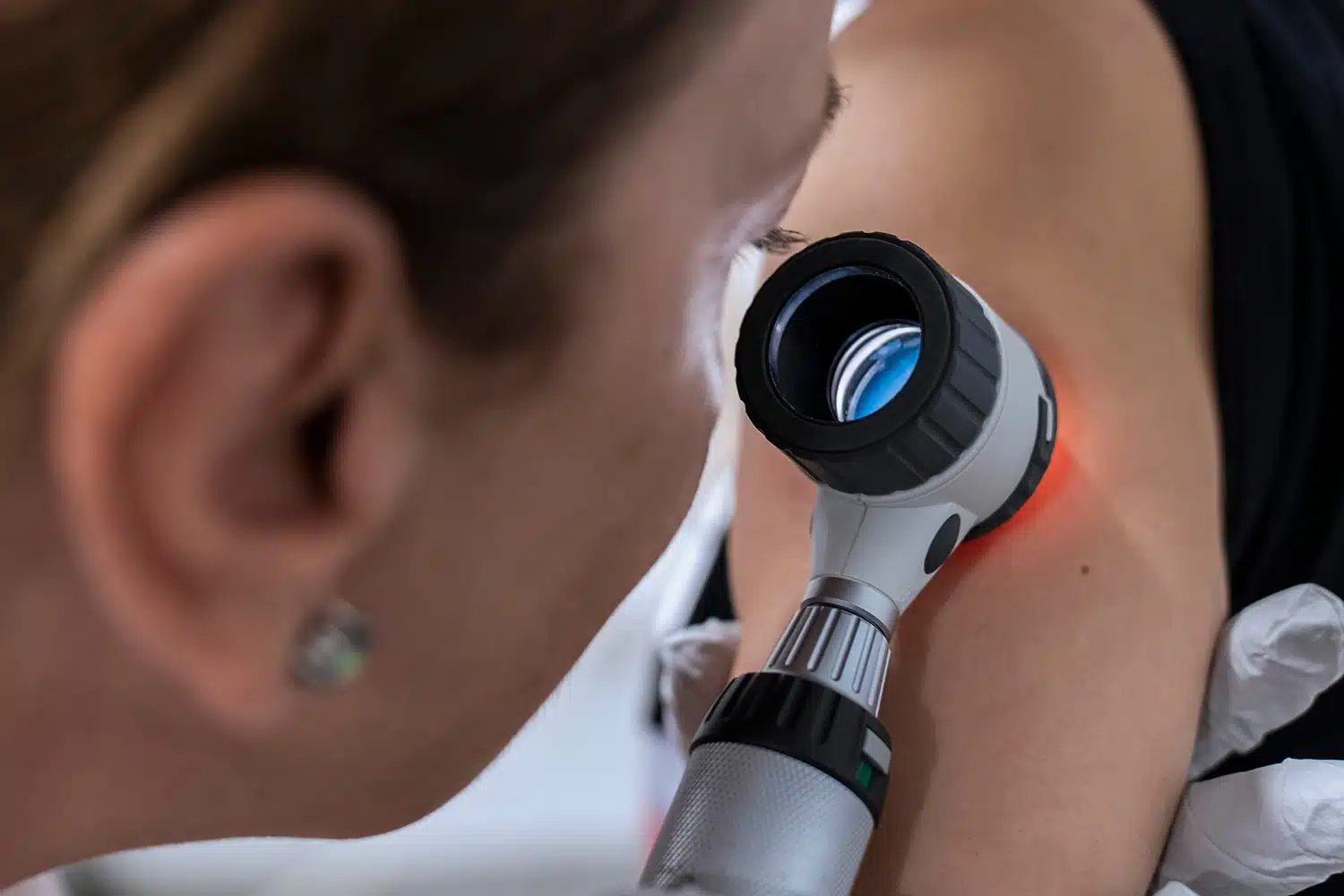
You can book a dermatologist consultation at DermAlly if your acne has persisted for more than three months despite over-the-counter treatment, if you are developing deep, painful lesions, if scarring or persistent pigmentation is appearing, or if the acne is beginning to affect your confidence or quality of life.
How DermAlly Approaches Acne Treatment in Singapore
At DermAlly, acne treatment begins with understanding what is actually driving the breakouts rather than immediately selecting a product or procedure. Factors such as acne subtype, lesion distribution, recurrence pattern, lifestyle triggers, and previous treatment history are all considered during assessment.
Treatment plans are then built progressively according to how the skin responds over time. For some patients, this may involve simplifying an overly reactive skincare routine first before escalating further. For others, earlier intervention may be necessary when deeper inflammation, widespread involvement, or early scar formation is present.
DermAlly also separates the management of active acne from the management of residual scarring and pigmentation. In many cases, stabilising ongoing breakouts first allows later scar-directed procedures to be performed more safely and predictably.
Because our patients in Singapore who are dealing with acne are often influenced by humidity, sweat exposure, occlusion, and barrier stress, climate and lifestyle factors are also incorporated into acne treatment planning where relevant. Those with persistent hormonal-pattern acne may additionally be evaluated for possible endocrine contributors, with cross-referral arranged when appropriate.
DermAlly’s acne treatments are led by MOH-accredited Consultant Dermatologists, including doctors with previous experience at the National Skin Centre (NSC).
Frequently Asked Questions About Acne Treatment in Singapore
1. Which type of acne treatment is most effective?
The most appropriate acne treatment usually depends on the type of acne, the degree of inflammation, whether scarring is developing, and the sensitivity of the skin barrier. Some patients respond well to topical treatment alone, while others may require oral medication or procedural treatment for deeper or more persistent acne.
2. How long does acne treatment take to work?
Most acne treatments require time before visible improvement occurs. Mild acne may begin improving within several weeks, while more persistent inflammatory or hormonal acne can take several months to stabilise. Acne scar treatment and post-inflammatory pigmentation often take longer than active acne itself.
3. Should I see a dermatologist or a GP for acne?
Mild acne may sometimes be managed in primary care, particularly when breakouts are limited and responding to standard treatment. However, a dermatologist assessment may be helpful if the acne is persistent, painful, scarring, recurrent, or not improving despite over-the-counter skincare or previous treatment attempts.
4. Is laser treatment good for acne?
Laser treatment may sometimes be used alongside medical acne management, particularly for post-inflammatory pigmentation, redness, or acne scars. However, lasers do not necessarily treat the underlying cause of acne, and not all active inflammatory acne is immediately suitable for laser treatment.
5. Does diet affect acne?
Diet is complex and does not affect every patient in the same way. Some studies have suggested associations between acne and factors such as high glycaemic diets or certain dairy products, but this does not mean these foods directly “cause” acne in all individuals. Genetics, hormones, inflammation, skincare habits, and environmental factors also play important roles.
6. Will my acne come back after treatment?
Acne can recur in some patients, particularly when hormonal factors, oil production, sweat exposure, or other triggers persist. Many patients require maintenance treatment even after active breakouts improve, especially in cases of chronic inflammatory or hormonal acne.
Key Takeaway
- Acne is not a single condition. Blackheads, hormonal breakouts, cystic acne, fungal acne, and back acne can all behave differently beneath the surface.
- The same skincare product or acne treatment may help one patient while irritating or worsening another person’s skin.
- Singapore’s heat, humidity, sweat exposure, and occlusion can all influence how acne develops and responds to treatment.
- Persistent inflammation increases the risk of acne scars and post-inflammatory pigmentation, particularly in Asian skin.
- An effective acne treatment usually involves matching the right treatment sequence to the right acne type, severity, and skin condition.
Start With a Professional Acne Assessment
If you are unsure which type of acne you may be dealing with, start with a proper assessment. A diagnosis-led treatment plan helps identify the underlying acne pattern, assess the risk of scarring, and determine which treatment approaches may be appropriate for your skin.
Book a consultation with our DermAlly team to discuss a personalised acne treatment plan in Singapore.


Our articles are written and reviewed by Dr. Coni Liu (MRCS, FAMS), Dr. Heng Jun Khee (MRCP, FAMS), and Dr. Cheng Hui Mei (FAMS), Ministry of Health-accredited Consultant Dermatologists at DermAlly.
All three are Fellows of the Academy of Medicine (Dermatology) and previously served as Consultants at the National Skin Centre (NSC), bringing extensive experience in medical, surgical, and aesthetic dermatology. They are committed to making expert-led skin education accessible, practical, and clear, helping patients look and feel their best through evidence-based care rooted in science and compassion.