- Pico laser and yellow laser are designed for different skin concerns and are not interchangeable.
- The yellow laser is more commonly used for treating redness, visible capillaries, rosacea, and select cases of melasma
- Some patients benefit from treating vascular inflammation first before targeting deeper pigmentation.
- The most suitable laser often depends on the skin condition itself, not personal preference alone.
- Dermatologists typically tailor the laser approach to the underlying diagnosis, rather than relying solely on surface appearance
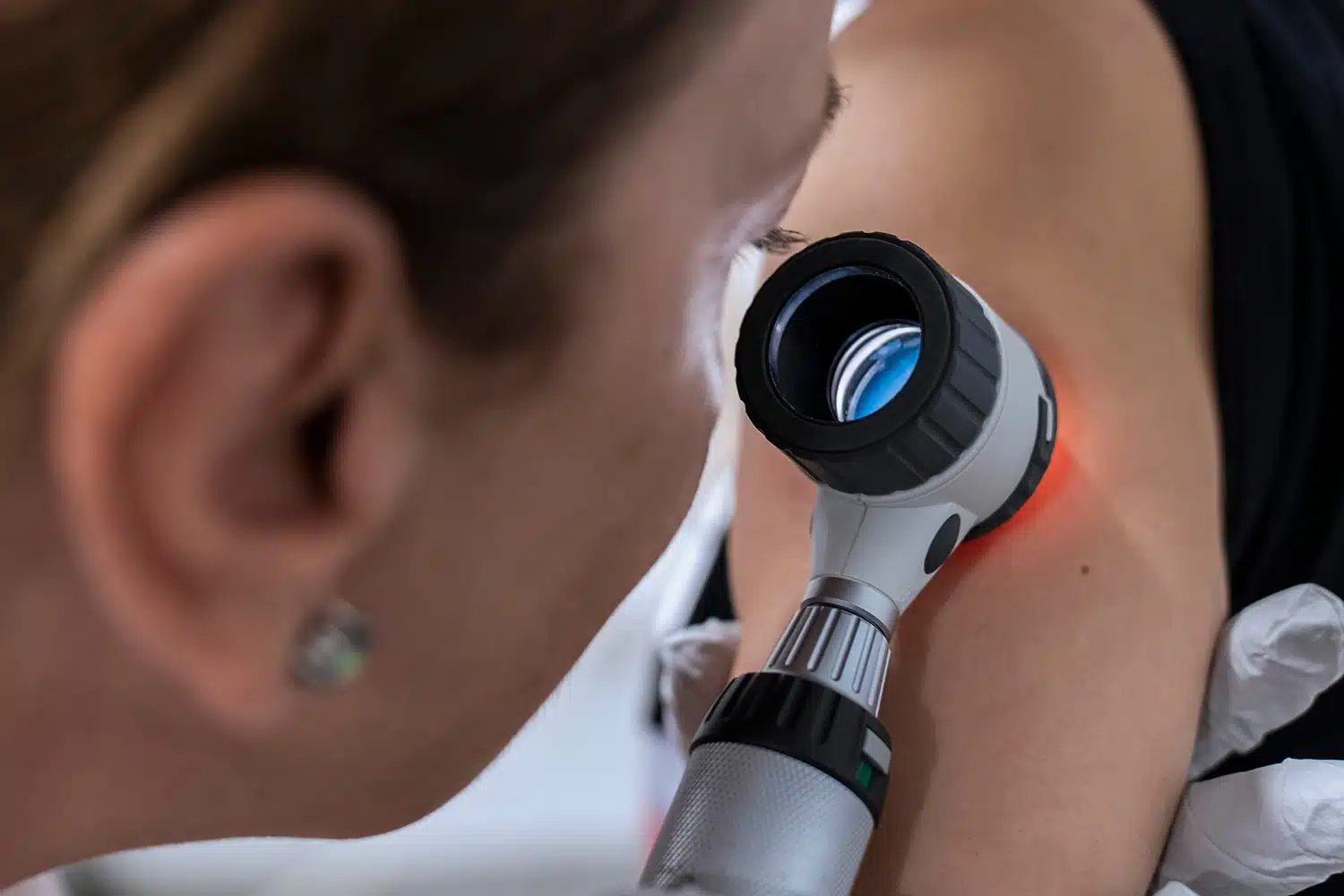
Brown patches. Red acne marks. Facial flushing. Melasma. Broken capillaries. Dark spots that seem to linger long after acne or irritation has settled.
From a distance, many of these concerns can look similar. Online, they are often grouped under broad terms like “pigmentation”, even when the underlying problem is not actually pigment alone.
This can be even harder to recognise in darker or more pigmented skin, where conditions such as rosacea and vascular redness may be less visually obvious beneath the surface.
So how do dermatologists decide between pico laser and yellow laser for melasma, pigmentation, and facial redness? And might you need both? Read on to find out.
The Quick Answer: Each Laser Treats Different Things
Pico laser is primarily used for excess pigment, including sun spots, freckles, post-acne pigmentation, and some tattoo pigments.
Meanwhile, yellow laser is mainly used for redness and vascular-related concerns, such as rosacea, facial flushing, broken capillaries, and lingering red acne marks.
Some forms of melasma may involve both pigment and vascular inflammation, which is why patients typically benefit from a combination approach rather than a single laser alone.
So, the most appropriate treatment depends less on which laser is “stronger” and more on what is actually driving the discolouration beneath the skin.
How Pico Laser Works
Pico laser, also known as picosecond laser, works by delivering ultra-short bursts of energy into the skin in trillionths of a second. Instead of mainly using heat, it creates a photoacoustic effect that breaks pigment into much smaller particles, allowing the body to gradually clear them over time.
Different pico laser wavelengths are used to target pigment at different depths.
Common pico laser wavelengths include 532nm, which is commonly used for lighter superficial pigmentation such as freckles and sun spots, while 755nm may be used for certain pigment and tattoo colours. 1064nm penetrates deeper into the skin and is often used for deeper pigmentation and darker skin types.
Some picosecond laser platforms are also used for post-acne marks and mild skin texture irregularities through specialised modes or attachments.
How Yellow Laser Works
Yellow laser is a type of vascular laser that uses a 577nm wavelength, which is selectively absorbed by oxyhaemoglobin within blood vessels. In practical terms, this allows the laser to directly target redness and superficial vascular structures.
Because of this, yellow laser is commonly used for rosacea, diffuse facial redness, broken capillaries, facial flushing, and lingering red acne marks, also known as acne erythema.
Some dermatologists also use this 577nm laser treatment as part of melasma management, particularly in patients with visible redness or vascular activity.
Pico Laser vs Yellow Laser by Concern
The same laser can perform very differently depending on the condition being treated. Here is how dermatologists generally approach pico laser and yellow laser across different skin concerns.
For Pigmentation (Sun Spots, Lentigines, Freckles)
For isolated brown pigmentation such as sun spots, freckles, and lentigines, pico laser is often the preferred option. Yellow laser usually plays a smaller role here.
What looks like straightforward pigmentation can sometimes turn out to be melasma, which changes the treatment approach significantly.
For Melasma
Melasma is often more treatment-resistant than standard pigmentation because it is influenced by multiple processes at once.
Low-fluence pico laser, sometimes called laser toning, is one option used in selected patients. Yellow laser may also be used as an adjunct in certain melasma cases.
In reality, melasma treatment often involves a combination approach, including prescription topicals, strict sun protection, or inflammation control, for long-term management.
For Rosacea / Redness
Pico laser is generally not used for rosacea and persistent facial redness. Instead, yellow laser is more commonly used in redness-prone conditions because the 577nm wavelength specifically targets oxyhaemoglobin within superficial blood vessels.
For Acne Marks (PIH and PIE)
Acne marks are often a mix of brown and red discolouration.
Pico laser is more commonly used for post-inflammatory hyperpigmentation (PIH), which are the brown marks left after inflammation settles.
Yellow laser is more commonly used for post-inflammatory erythema (PIE), which refers to persistent red or pink marks linked to superficial blood vessels and inflammation.
Many patients have both at the same time, so a combination treatment is fairly common.
For Tone, Texture, Glow
Some patients are less concerned about a single lesion and more focused on overall skin clarity, evenness, and texture. As such, dermatologists in Singapore may combine different pigmentation laser approaches depending on whether uneven tone, redness, texture changes, or multiple overlapping concerns are present.
This is also why the “right” laser is not always the one that sounds strongest or most advanced. In many cases, the decision depends more on what is actually driving the skin changes beneath the surface.
Book a consultation at DermAlly to determine the underlying cause of your pigmentation, redness, or melasma before starting laser treatment.
Why Some Patients Need Both
Asian patients typically do not have purely “pigment” or purely “redness” concerns. Often, pigmentation and inflammation overlap.
For example, a patient may have melasma alongside facial flushing, or post-acne pigmentation together with persistent red marks and visible capillaries. Treating only one component may leave the skin looking partially improved, but not fully balanced overall.
In some cases, dermatologists may first use yellow laser to calm visible redness and vascular inflammation before introducing pico laser later for more persistent pigmentation concerns.
Treatments are usually spaced apart to allow the skin barrier time to recover between sessions, particularly in patients with sensitive or reactive skin.
What to Expect During Treatment
Pico Laser Experience
Before pico laser treatment, a dermatologist may apply a numbing cream to make the procedure more comfortable. The session itself is usually fairly quick, although timing depends on how large the treatment area is.
As the laser moves across the skin, most patients feel quick snapping sensations, often compared to tiny rubber band flicks. Your dermatologist may make several passes across different areas depending on the depth and type of pigmentation being treated. Protective eyewear is worn throughout the procedure because of the laser energy involved.
Yellow Laser Experience
Yellow laser treatment also often begins with numbing cream, although some patients with milder redness concerns may not need it.
During the procedure, the laser delivers short pulses of energy across areas of redness and visible blood vessels. Patients usually describe the sensation as waves of warmth or mild stinging, particularly around the cheeks and nose, where flushing and capillaries tend to be more noticeable. Protective eyewear is worn throughout treatment as well.
Recovery, Downtime, and Sessions Required
Pico Laser Recovery
Most patients experience relatively minimal downtime after pico laser treatment, although this varies depending on the settings used and the condition being treated.
Mild redness, temporary swelling, or slight darkening of pigmentation can occur before the skin gradually settles over the following days.
Some patients notice improvement after a few sessions, while others require a longer treatment course spaced across several weeks or months. The timeline often depends on factors such as the depth of pigmentation, skin sensitivity, and how reactive the skin is to inflammation.
Yellow Laser Recovery
Yellow laser treatment also tends to involve relatively little downtime for many patients. Temporary redness or mild swelling can happen after treatment, particularly in areas with more visible blood vessels or active flushing.
As with pico laser, the number of sessions varies between individuals. Some redness conditions respond gradually, especially in chronic inflammatory conditions such as rosacea or persistent acne erythema.
When Neither Is Right
Not every pigmentation or redness concern is best treated with pico laser or yellow laser.
Certain deeper pigment conditions, such as Hori’s nevus or nevus of Ota, may respond better to different laser platforms or Q-switched lasers designed to target deeper dermal pigment.
Meanwhile, concerns such as deep wrinkles or more significant acne scars may require other approaches, including fractional CO2 laser resurfacing or RF gold microneedling treatment.
In patients with active inflammatory acne, dermatologists in Singapore also often prioritise stabilising the acne first before introducing laser treatment for the marks or pigmentation left behind.
How DermAlly Decides Which Laser Is Suitable
At DermAlly, we start with a diagnosis. Our dermatologists will assess how long the pigmentation or redness has been present, whether it fluctuates with heat or hormones, how reactive the skin is, and whether previous treatments have triggered worsening or recurrence.
The assessment also looks at factors such as pigment depth, visible blood vessels, acne activity, skin sensitivity, and how much downtime the patient is comfortable with.
In some cases, treatment may begin with skincare, prescription therapy, or inflammation control before laser sessions are introduced gradually over time.
To get a personalised treatment plan, book a consultation with our DermAlly dermatologists.
Frequently Asked Questions About Pico Laser vs Yellow Laser
1. Is pico laser better than yellow laser?
Neither laser is universally “better”. Pico laser and yellow laser are designed for different concerns, so the more suitable option depends on whether the issue is primarily excess pigment, redness, vascular changes, or a combination of several processes at once.
2. Can I do pico and yellow laser in the same session?
In some patients, yes. Whether both lasers can be combined in the same session depends on factors such as skin sensitivity, inflammation levels, and the overall treatment plan.
3. Is pico laser safe for melasma?
Pico laser may be used in selected melasma patients, but melasma can respond unpredictably to aggressive laser treatment. Dermatologists usually approach it cautiously using lower-fluence settings alongside prescription topical therapy and strict sun protection.
4. How many sessions of pico laser do I need for pigmentation?
This varies between individuals. The number of sessions depends on factors such as the type of pigmentation, depth of pigment, and how the skin responds over time.
5. Does yellow laser hurt?
Yellow laser treatment is tolerable, with most patients describing the sensation of brief warmth, light tingling, or small rubber band snaps moving across the skin in quick pulses during the procedure. Areas with more visible redness or capillaries, such as the cheeks and nose, may feel slightly more sensitive.
6. Will laser treatment make my pigmentation worse?
Laser treatment can sometimes trigger post-inflammatory hyperpigmentation (PIH) or melasma rebound, particularly in darker or more reactive skin types, which is why careful laser selection and conservative settings matter.
Key Takeaway
- Melasma often behaves differently from straightforward sun pigmentation.
- Red acne marks and brown acne marks usually require different treatment approaches.
- Aggressive laser treatment may worsen reactive or inflammation-prone skin.
- Some patients benefit from treating redness first before targeting pigment.
- Recovery timelines and session numbers vary depending on skin behaviour and pigment depth.
Start With a Professional Skin Assessment
Pigmentation, melasma, rosacea, and post-acne marks can sometimes overlap clinically, even when they appear similar in the mirror. A dermatologist can help determine whether the underlying issue is primarily pigment, vascular inflammation, or a combination of several processes before deciding which laser approach may be most appropriate.
Book a consultation at DermAlly to find out whether pico laser, yellow laser, or a combination treatment plan may be suitable for your skin concerns.


Our articles are written and reviewed by Dr. Coni Liu (MRCS, FAMS), Dr. Heng Jun Khee (MRCP, FAMS), and Dr. Cheng Hui Mei (FAMS), Ministry of Health-accredited Consultant Dermatologists at DermAlly.
All three are Fellows of the Academy of Medicine (Dermatology) and previously served as Consultants at the National Skin Centre (NSC), bringing extensive experience in medical, surgical, and aesthetic dermatology. They are committed to making expert-led skin education accessible, practical, and clear, helping patients look and feel their best through evidence-based care rooted in science and compassion.