- Lasers use either heat (photothermal) or sound waves (photoacoustic) to break pigment into dust-like particles.
- Best for Asian Skin: Pico Lasers are often preferred because they use less heat, reducing the risk of "rebound" darkening (PIH).
- Cost in Singapore: Typically $150 to $800 per session, depending on the laser type.
- Downtime: Ranges from 1–2 days (Pico) to 5–7 days (CO2).
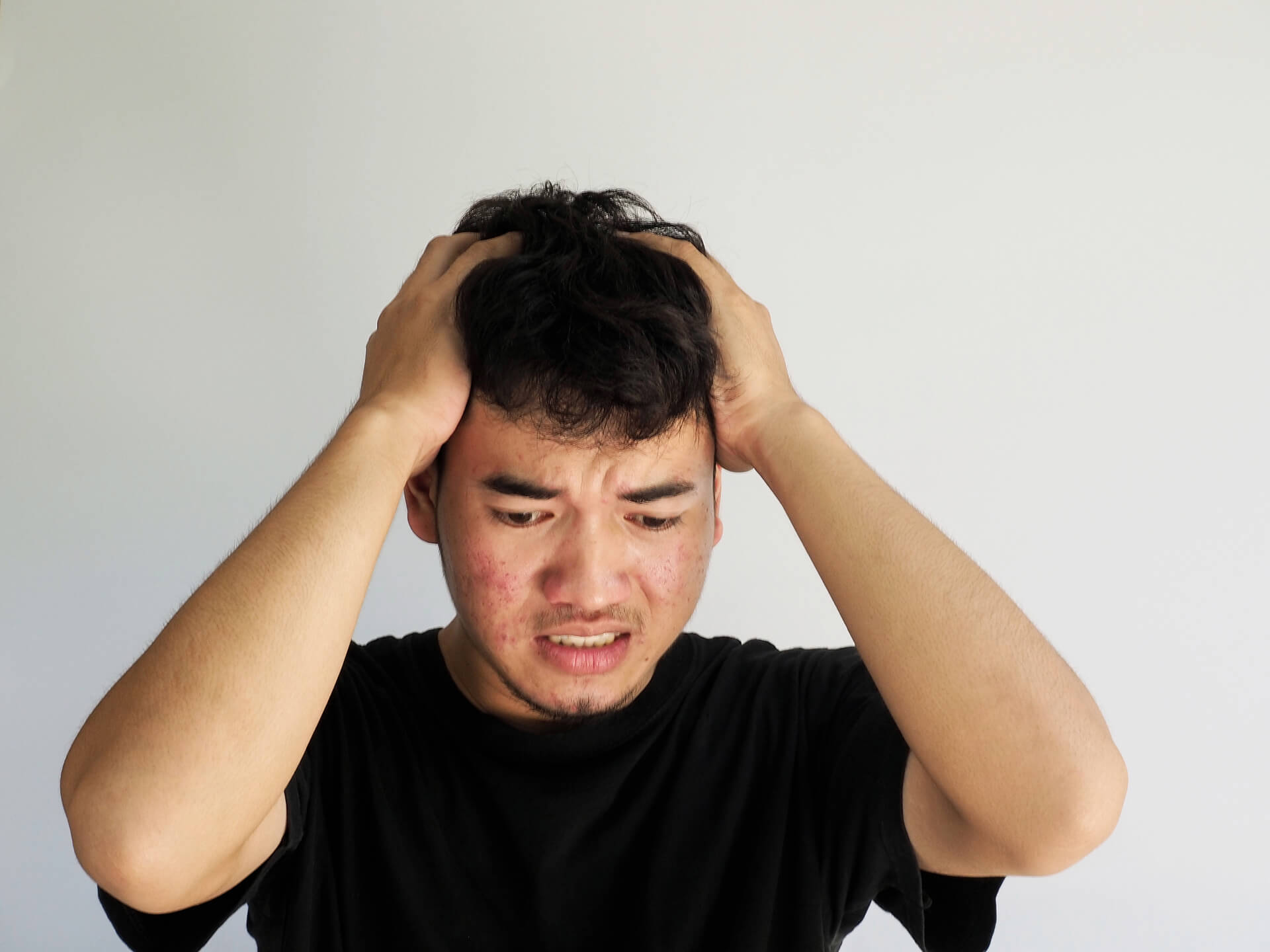
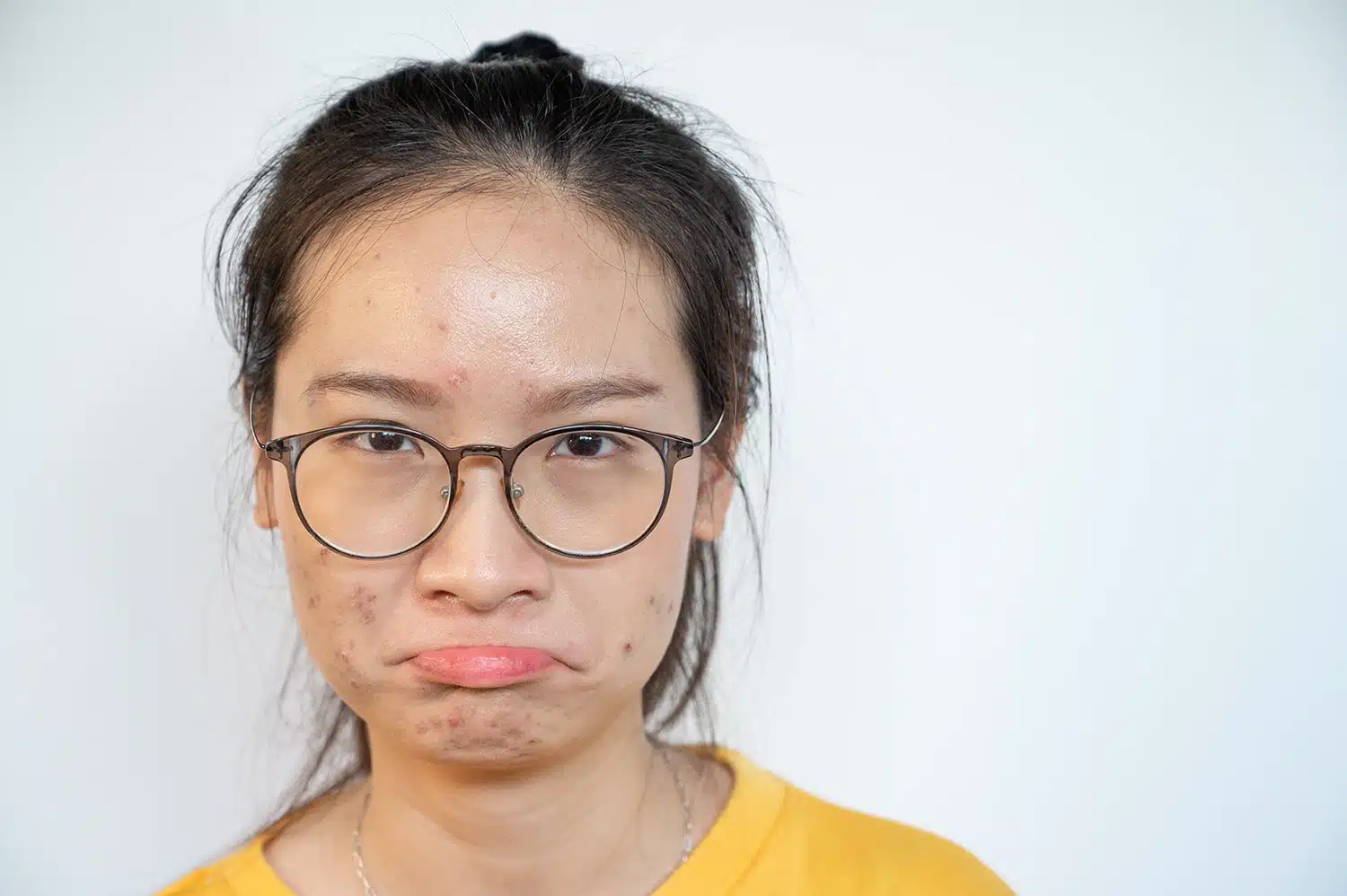
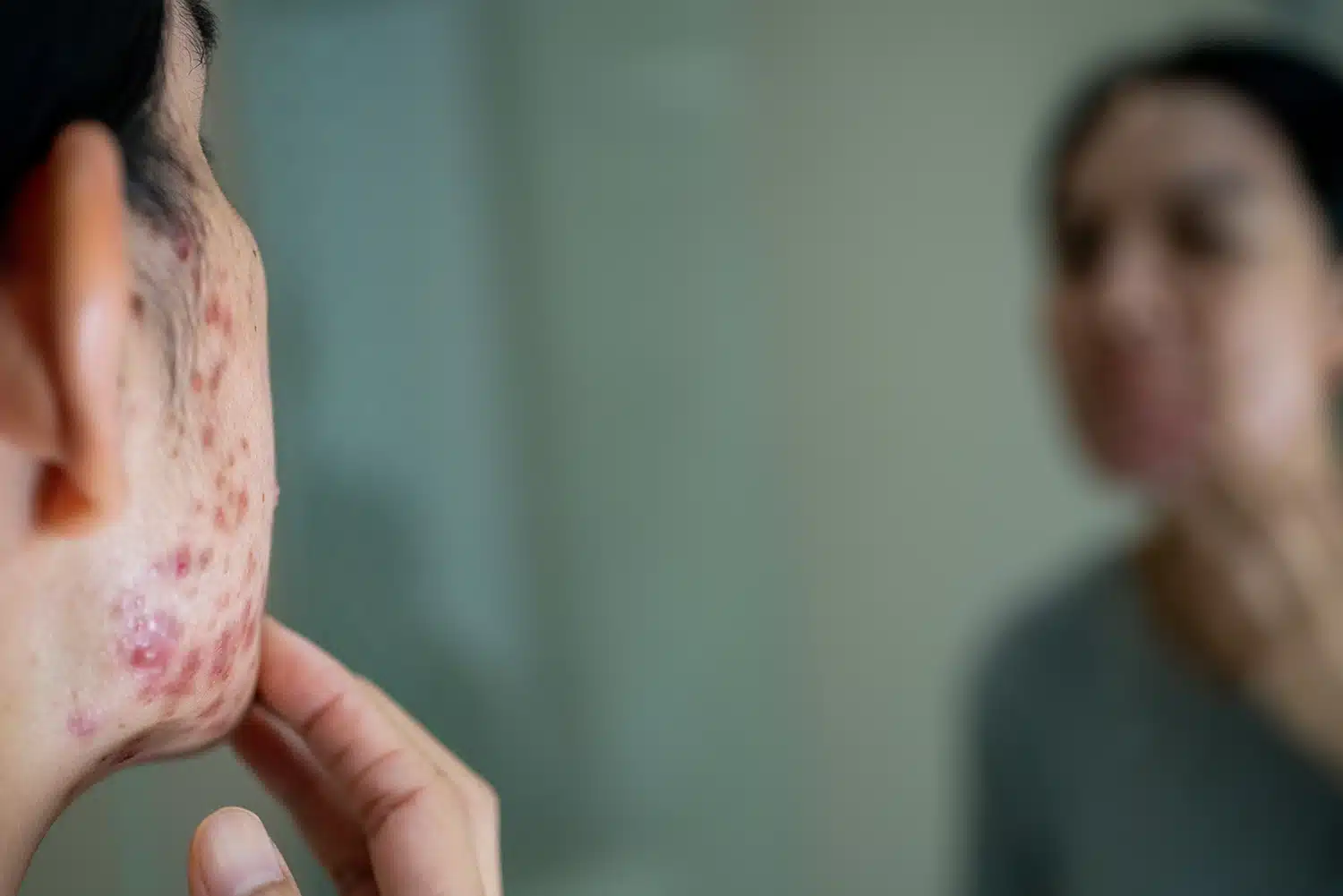
Some people think treating acne is the hard part, but the pigmentation it leaves behind, or the sun spots that appear with age, can be even more persistent. You might try brightening serums or scrubs, only to find the dark spots don’t budge.
This is because topical creams often only reach the epidermis (surface layer). Stubborn pigmentation, such as Melasma or deep acne marks, typically sits in the dermis (the deeper layer), where creams cannot reach. This is where lasers come in.
The Mechanism: "Shattering" vs. "Heating"
Lasers do not just “burn” skin. They work using a principle called Selective Photothermolysis. They emit a specific wavelength of light that is absorbed only by the melanin (pigment) in your skin, ignoring the surrounding healthy tissue.
Once the pigment absorbs this energy, it breaks down in one of two ways:
- The Photothermal Effect (Heat): Traditional lasers (like Q-Switched or IPL) deliver energy in nanoseconds. This heats the pigment until it fractures. While effective, the heat can sometimes irritate surrounding tissue.
- The Photoacoustic Effect (Sound): Modern Pico Lasers deliver energy in picoseconds (trillionths of a second). This is so fast that it creates a mechanical “shockwave” rather than just heat. It shatters the pigment into tiny, dust-like particles that the body can easily flush out through the lymphatic system.
Unsure which laser technology is for you? Book a skin analysis with DermAlly’s experts today.
Laser vs Other Treatments: When Is It the Right Option?
You might be weighing your options between laser therapy and other pigmentation treatments. Here’s how they compare:
- Topical creams (like hydroquinone or retinoids) can help with mild pigmentation, though they may irritate. Results are also gradual.
- Chemical peels are effective for surface-level discolouration but may not be targeted enough for deeper pigment.
- IPL (Intense Pulsed Light) is a broad-spectrum light that treats a range of skin concerns, but is less targeted than lasers.
We recommend a laser treatment for deep pigmentation if it’s resistant to topicals or if you want to see quicker improvement.
During your consultation, we’ll help determine the best approach for your skin. Speak to a DermAlly dermatologist today.
Types of Lasers Used to Treat Pigmentation
Not all lasers are equal. In Singapore, three main types are used depending on your specific concern.
Pico Laser (Most Commonly Used for Asian Skin)
- Best For: Melasma, stubborn acne marks, and general brightening.
- Why It Works: It relies on the photoacoustic (shattering) effect. Because it generates less heat than older lasers, it significantly reduces the risk of Post-Inflammatory Hyperpigmentation (PIH), a common side effect in darker Asian skin where the laser heat accidentally causes more pigment.
- Downtime: Minimal (Pink skin for 1–2 days).
Q-Switched Nd:YAG Laser
- Best For: Individual sun spots (Solar Lentigo), freckles, and tattoos.
- Why It Works: It uses photothermal (heat) energy to break down pigment. It is highly effective for surface-level spots but requires careful energy management for Melasma to avoid overheating the skin.
- Downtime: Mild redness for 1–3 days.
Fractional CO2 Laser
- Best For: Pigmentation accompanied by rough texture or deep acne scars.
- Why It Works: This is an "ablative" laser. It vaporises tiny columns of skin to stimulate the growth of new, fresh skin. It treats pigment by physically resurfacing the skin layer.
- Downtime: Moderate (Scabbing/Peeling for 5–7 days).
Is Laser Safe for Darker Skin Tones?
Yes, but the type of laser matters.
Darker skin contains more melanin, making it more reactive to light-based treatments. This means certain types of laser light, particularly those with higher energy or shorter wavelengths, can cause unwanted side effects in melanin-rich skin, including:
- Burns
- Post-inflammatory hyperpigmentation (PIH)
- Uneven lightening
Some lasers may also be ineffective if the energy isn’t absorbed well by deeper pigments.
At DermAlly, we choose both the laser type and the treatment settings based on your skin tone and pigmentation type. Our dermatologists are experienced in treating Fitzpatrick skin types IV-VI.
For clients with deeper skin tones, we often recommend Pico or Q-Switched lasers. These technologies carry a lower risk of pigment disruption because they deliver energy in ultra-short bursts, which break down pigment without overheating surrounding tissue. They’re also more effective at targeting pigment selectively without triggering excess melanin production.
Cost of Laser Pigmentation Treatment in Singapore (2026)
Price varies depending on the technology and the doctor’s experience.
| Treatment Type | Estimated Cost Per Session (SGD) | Recommended Sessions |
| Q-Switched Laser | $150 – $400 | 5 – 10 |
| Pico Laser | $250 – $800 | 3 – 6 |
| Fractional CO2 | $400 – $1,200 | 3 – 5 |
| Yellow Laser | $300 – $600 | 4 – 8 |
Note: Most clinics offer package rates, which can lower the per-session cost.
Please contact our clinic for more details.
How Many Sessions Do You Need?
Most people need between 3 and 6 sessions of laser treatment for pigmentation, spaced several weeks apart. The exact number depends on your skin type, the depth of pigmentation, and how your skin responds to treatment.
Results & Aftercare Tips
Pigmentation often begins to fade within two to three weeks after your first laser session, with continued improvement after each treatment. To support your recovery, you should:
- Apply broad-spectrum SPF 50 daily, even when indoors.
- Avoid sun exposure, heat, and harsh exfoliants for at least a week.
- Use a gentle cleanser and hydrating moisturiser.
- Follow any specific skincare instructions we provide.
You may notice mild darkening or micro-crusting of pigmented spots before they flake off; this is normal and temporary.
Who Should Avoid Laser Pigmentation Removal
Laser therapy may not be suitable if you:
- Are you pregnant or breastfeeding
- Have active eczema, psoriasis, or open wounds in the treatment area
- Recently used isotretinoin (e.g., Roaccutane)
- Are prone to keloid scarring
- Have a history of photosensitivity or are on light-sensitive medications
Book a Consultation at DermAlly
Book a consultation with our experienced team to get a personalised treatment plan tailored to your pigmentation level, skin type, and long-term skincare goals.
Frequently Asked Questions (FAQ)
Is the procedure painful?
Most patients feel only a tiny “ant bite” sensation. For larger tags, we inject a small amount of local anaesthetic so you feel nothing during the removal.
Will the skin tag grow back?
Once a specific tag is removed, it is gone. However, it does not stop new tags from forming in the same area if the underlying cause (friction or insulin resistance) continues.
Is there downtime?
Minimal. You may have a small scab for 5–10 days. You can shower and return to work immediately, but you should keep the area clean and dry.
Can I use MediSave?
Generally, no. MediSave is only applicable for medically necessary surgeries. Simple skin tag removal is classified as aesthetic.



Our articles are written and reviewed by Dr. Coni Liu (MRCS, FAMS), Dr. Heng Jun Khee (MRCP, FAMS), and Dr. Cheng Hui Mei (FAMS), Ministry of Health-accredited Consultant Dermatologists at DermAlly.
All three are Fellows of the Academy of Medicine (Dermatology) and previously served as Consultants at the National Skin Centre (NSC), bringing extensive experience in medical, surgical, and aesthetic dermatology. They are committed to making expert-led skin education accessible, practical, and clear, helping patients look and feel their best through evidence-based care rooted in science and compassion.