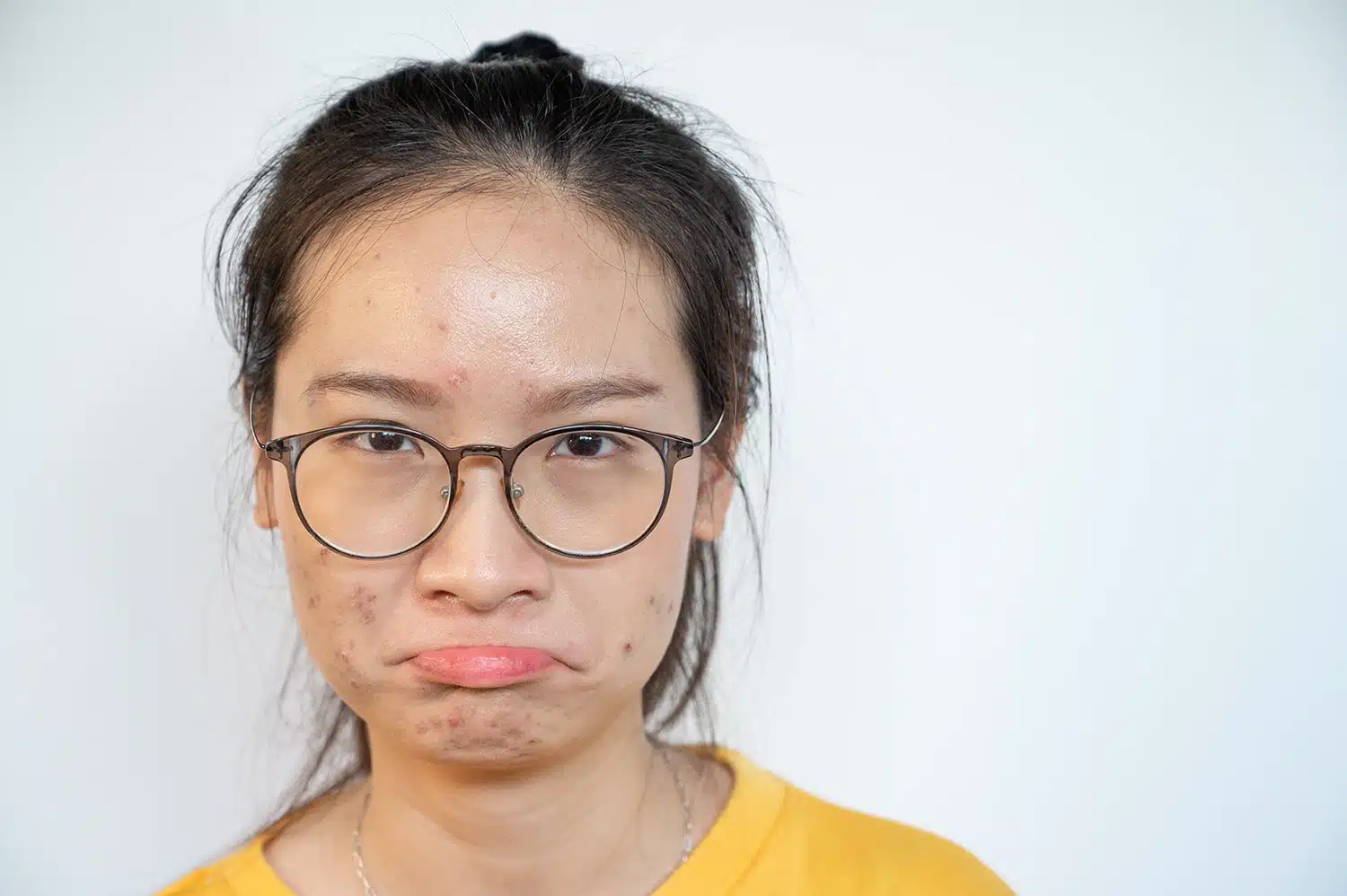
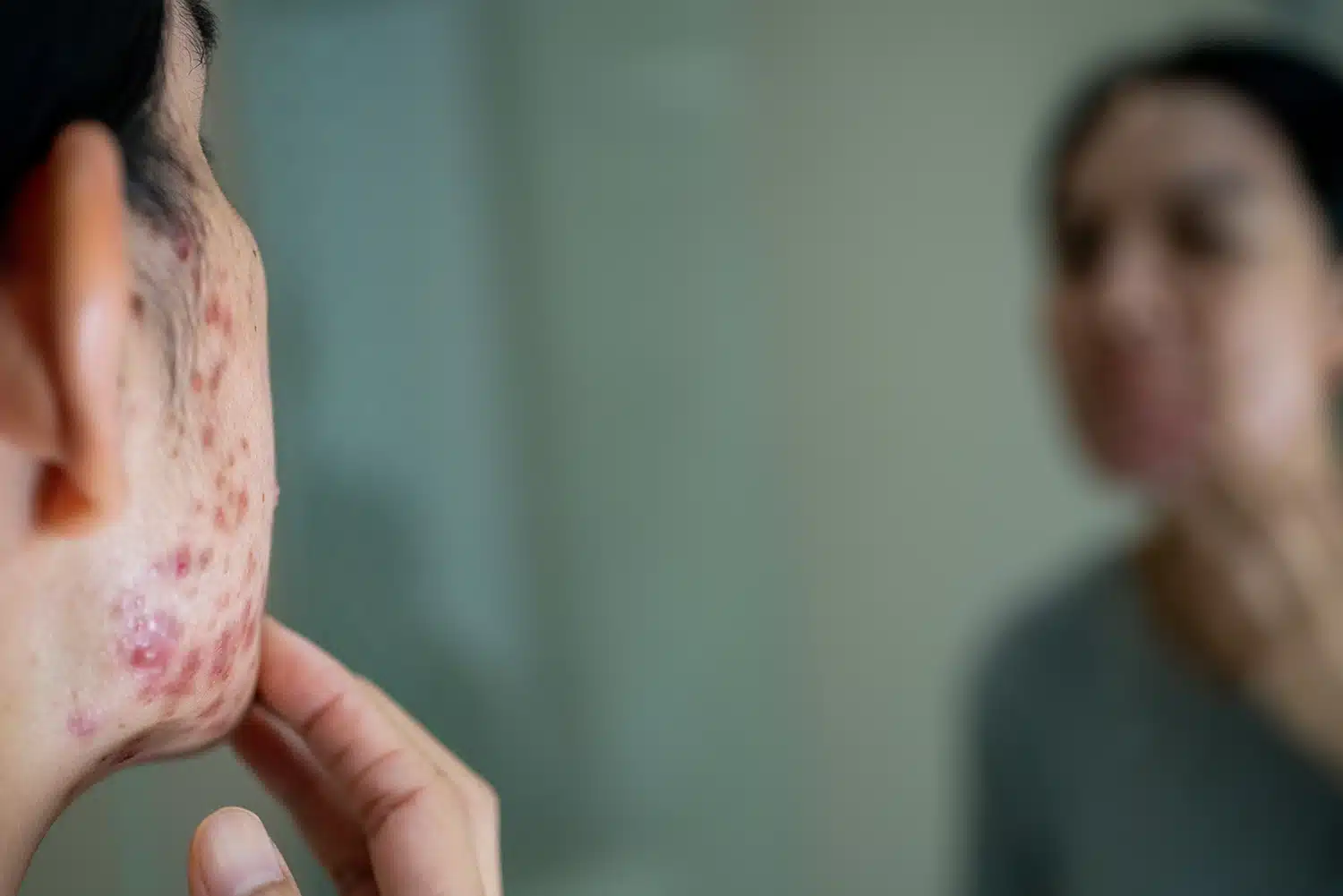
- Pigmentation removal depends on how deep and persistent the pigment is, not just how dark it looks.
- Mild pigmentation (like recent PIH, light sun spots, or freckles) often improves with consistent skincare and sun protection.
- Moderate pigmentation typically requires in-clinic treatments such as chemical peels or pigment-targeting lasers.
- Stubborn pigmentation (such as melasma or recurrent PIH) needs combination therapy and long-term management.
Dark spots, uneven tone, and lingering marks can all be classified as “pigmentation,” but they do not respond to the same treatments. A laser that clears a sun spot in one session might make a hormonal melasma patch worse.
In this guide, we break down how to match your pigmentation type with the correct treatment protocols.
What Counts as Mild, Moderate, and Stubborn Pigmentation?
Pigmentation is categorised by its depth, the trigger for its appearance, and how long it’s been present. That’s why two people with similar-looking dark spots can need very different approaches.
Mild Pigmentation (Surface Level)
Typically, recent marks are caused by acne or superficial sun damage.
This includes:
- Post-Inflammatory Hyperpigmentation (PIH): Pink or brown marks left after acne heals.
- Freckles: Small brown spots that fade when you avoid the sun.
Moderate Pigmentation (Established)
Moderate pigmentation is more persistent and doesn’t respond as well to topical care alone. It may have been present for months or years and appears darker or more clearly defined.
This includes:
- Sun Spots (Solar Lentigo): Defined brown spots that remain even with sun avoidance.
- Persistent PIH: Dark marks that haven't faded after 3 months.
Stubborn Pigmentation (Deep & Hormonal)
Stubborn pigmentation can be challenging to manage. It often sits deeper in the skin and is influenced by persistent triggers such as hormones, heat, or chronic inflammation.
This includes:
- Melasma: Cloudy patches on the cheeks or forehead.
- Recurrent Pigment: Marks that fade with treatment but return quickly.
How to Identify the Type You Have
Before thinking about pigmentation removal options, it helps to understand how your pigmentation behaves in daily life. These observations don’t replace a diagnosis, but they can tell you what level of treatment you may need.
Does it fade at all?
Yes: If it lightens with sunscreen or brightening creams, it is likely Mild/Superficial.
No: Pigment that stays exactly the same over months usually requires In-Clinic Treatment.
How long has it been there?
Marks that appear after a recent breakout or sun exposure are usually easier to treat. Pigmentation that has built up gradually over the years is often more resistant.
Does the sun or heat trigger it?
If your spots darken quickly after a beach day, hot yoga, or cooking, you likely have reactive or stubborn pigmentation (like Melasma). This type is sensitive to heat as well as UV rays.
What pattern do you see?
Isolated Spots: Usually sun spots or acne marks (Boxcar/Ice pick scars often have pigment too).
Is it symmetrical?
If you have matching dark patches on both cheeks or temples, it is likely hormonal Melasma.
These patterns can point you toward the right treatment, because pigment depth and behaviour, not colour alone, determine what’s likely to be effective.
Unsure if your spots are hormonal? Book a detailed skin assessment with DermAlly to get a clear diagnosis.
Treating Mild Pigmentation at Home
For mild pigmentation, treatment is about regulation and prevention rather than removal. If your marks are light, recent, or fade slightly with sun protection, consistent topical care is often enough to keep them from deepening.
Proven Ingredients to Look For
Certain ingredients are commonly used to support even tone and reduce excess pigment activity:
- Vitamin C: An antioxidant that brightens existing marks and prevents new ones by blocking melanin production.
- Niacinamide: Reduces the transfer of pigment to skin cells and strengthens the skin barrier.
- Azelaic Acid: Helps calm inflammation, making it ideal for acne-related pigmentation (PIH).
- Retinoids: Encourage cell turnover to shed stained surface skin cells faster.
- High SPF Sunscreen: Prevents new pigment from forming.
Effective In-Clinic Treatments for Moderate Pigmentation
When pigmentation is established, creams often fail to penetrate deep enough. We need medical treatments to physically remove or shatter the pigment.
Chemical Peels
Chemical peels use controlled exfoliation to encourage skin turnover, helping shed pigment-containing cells over time. For pigmentation, superficial to medium-depth peels are typically used and spaced across several sessions to minimise irritation. They’re often combined with topical treatments.
Pigment-Targeting Lasers (Pico & Q-Switched)
Pigment-targeting lasers work by breaking excess melanin into smaller particles that the body can clear gradually.
- Q-switched lasers deliver short bursts of energy that selectively target pigment, making them suitable for well-defined sun spots and certain types of PIH.
- Pico lasers use even shorter pulse durations, allowing pigment to be fragmented more efficiently with less heat spread to surrounding skin. This can be helpful for skin that’s more reactive.
Managing Stubborn Pigmentation
Stubborn pigmentation is usually managed with combination treatment plans that are adjusted over time.
Fractional Lasers
These do not target pigment directly. Instead, they create microchannels in the skin to stimulate the production of fresh, healthy collagen. This helps “remodel” the skin structure so it responds better to other treatments.
The “Vascular” Approach
Stubborn pigment often has a red, vascular component (visible blood vessels) feeding it. We may use:
- Oral Tranexamic Acid: A medication that stabilises the blood vessels and reduces inflammation, "starving" the pigment
- Yellow Laser: Targets the underlying redness to prevent the pigment from coming back.
Cysteamine Cream
For maintenance, we often prescribe Cysteamine, a medical-grade cream that is free of hydroquinone. It effectively regulates pigment cells without the risk of long-term side effects, making it safe for continuous use in Singapore’s sunny climate.
Combination Therapy
For persistent cases, treatment may involve:
- Pigment-targeting lasers to address visible discolouration
- Fractional lasers to support skin response
- Cycled chemical peels
- Long-term topical maintenance and strict sun protection
Progress is measured over months, with adjustments made as the skin responds.
Pros & Cons Per Pigmentation Removal Procedure
Each pigmentation treatment offers different benefits, trade-offs, and recovery times. Knowing these upfront helps you weigh your options more confidently during your consultation.
| Treatment Approach | Pros | Cons |
| Topical Care |
|
|
| Chemical Peels |
|
|
| Pigment-Targeting lasers |
|
|
| Fractional Laser |
|
|
| Combination Therapy |
|
|
Safety Precautions Before Starting Any Treatment
Before proceeding with a pigmentation removal treatment, ensure your skin is ready. Pigmentation often worsens when treatments are rushed or poorly matched to your skin type.
- Know your pigmentation type, as misdiagnosing melasma, PIH, and sun spots can lead to poor results.
- Review your current skincare and medications. Retinoids, acids, or photosensitising medications can affect skin sensitivity.
- Avoid overtreating acne, as it can lead to active inflammation that worsens pigmentation.
- Practice strict sun and heat protection. Heat alone can darken skin.
- Don’t stack aggressive treatments. This can overwhelm your skin.
- Plan for consistent maintenance, not just a one-off treatment. Many pigmentation types require ongoing care to maintain stable results.
Get a Personal Evaluation and Treatment Plan
Treating pigmentation is a journey, not a sprint. Matching the right technology to your specific pigment depth is the only way to ensure results without rebound.
At DermAlly, we assess your pigmentation in detail, evaluating vascular, hormonal, and depth factors before recommending your treatment plan.
Ready to clear your skin? Book an appointment to get started.
Frequently Asked Questions (FAQ)
Can pigmentation be removed completely?
“Removal” is a strong word. Medically, the answer depends on the type:
- Sun Spots & Freckles: Yes, these can often be cleared 90–100% with lasers and typically do not return if you use sunscreen.
- Melasma (Hormonal): No, it cannot be permanently "cured" because the internal trigger (hormones) is always present. It can only be managed and faded significantly, but it requires ongoing maintenance to prevent flare-ups.
Is laser treatment safe for dark Asian skin?
Yes, but only if the right laser is used. Pico Lasers are generally safer than older Q-Switched lasers for darker skin. This is because Pico lasers use photoacoustic (sound) energy rather than just heat to shatter pigment. Less heat means a much lower risk of accidentally burning the skin or causing “rebound” darkening.
Why did my pigmentation get darker after the laser?
This is known as Post-Inflammatory Hyperpigmentation (PIH). It happens when a laser delivers too much heat, causing the skin to produce more melanin to protect itself. This is why “aggressive” treatments are often a mistake for stubborn pigmentation. We recommend a “low and slow” approach using gentle Pico settings or chemical peels to avoid this.
Can I use Hydroquinone in Singapore?
Hydroquinone is a Prescription-Only Medicine (POM) in Singapore. It is not available over the counter. Doctors may prescribe it for short-term use to treat severe pigmentation, but it cannot be used long-term due to the risk of permanent skin discolouration (ochronosis). For long-term maintenance, doctors often switch patients to alternatives like Cysteamine.
How many sessions will I need?
It depends on each individual’s case. Please contact us for a proper consultation with our dermatologists. In general, the number of sessions are as follows:
- Mild (Creams/Peels): Results are gradual over 8 to 12 weeks.
- Moderate (Sun Spots): Often cleared in 1 to 3 laser sessions.
- Stubborn (Melasma): Typically requires a 3 to 6-month program combining lasers, oral medication, and creams to achieve significant clearing.



Our articles are written and reviewed by Dr. Coni Liu (MRCS, FAMS), Dr. Heng Jun Khee (MRCP, FAMS), and Dr. Cheng Hui Mei (FAMS), Ministry of Health-accredited Consultant Dermatologists at DermAlly.
All three are Fellows of the Academy of Medicine (Dermatology) and previously served as Consultants at the National Skin Centre (NSC), bringing extensive experience in medical, surgical, and aesthetic dermatology. They are committed to making expert-led skin education accessible, practical, and clear, helping patients look and feel their best through evidence-based care rooted in science and compassion.