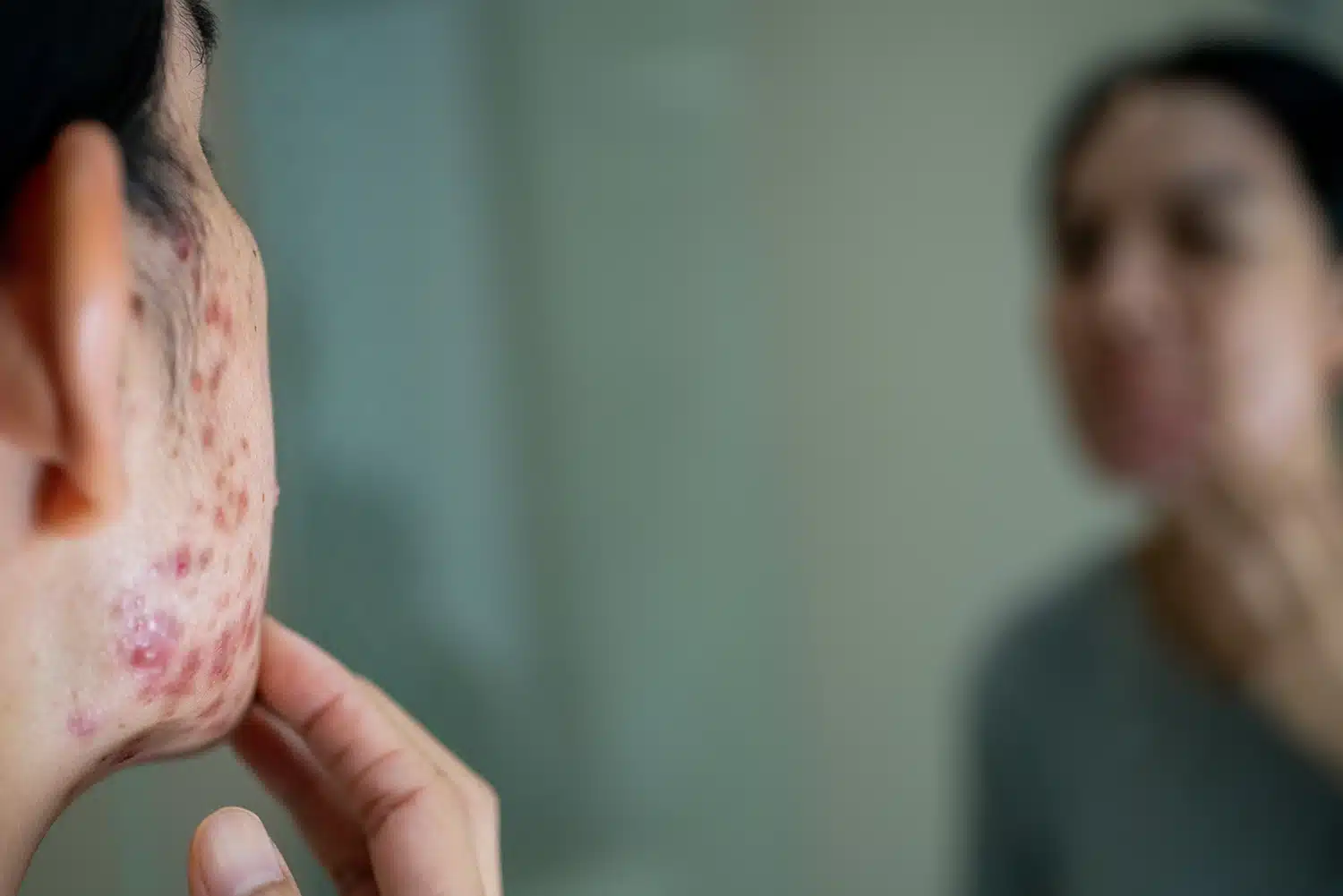
- “Pigmentation” refers to different conditions, not just one.
- The wrong laser can lead to rebound darkening or PIH
- Pico laser is often used for superficial pigmentation.
- Melasma requires a more cautious, combination approach.
- Skincare and sun protection support and maintain results
- A dermatologist identifies the type of pigmentation you’re dealing with before selecting a laser removal treatment.
From sun exposure to inflammation and internal triggers, dark spots can look similar on the surface but behave differently.
Ahead, we’ll go through the different types of pigmentation and the lasers that dermatologists in Singapore typically use to remove or manage them.
Why “Laser for Pigmentation” Isn’t One Treatment
“Laser for pigmentation” is often used as a single term, but it refers to a range of treatments. In practice, a dermatologist selects a pigmentation laser based on what is being treated. This includes:
- Where the pigment sits in the skin
- What caused it
- Whether it is stable or influenced by ongoing triggers
These factors determine how the skin absorbs laser energy and how it responds after treatment.
Because of this, a pigmentation removal laser is not interchangeable across conditions. Even with the same device, settings such as wavelength and energy are adjusted on a case-by-case basis.
When the laser treatment for pigmentation is not matched correctly, outcomes can vary:
- Pigmentation may return earlier than expected
- It may appear darker or more diffuse
- PIH can develop after treatment
This is more relevant to Asian skin types, including Fitzpatrick III-V, where melanocytes respond more readily to heat and inflammation.
The 5 Main Types of Pigmentation (and Why Each Needs a Different Laser)
Pigmentation is grouped based on cause, depth, and behaviour. These differences influence how each type responds to laser energy and how removal treatments in Singapore are planned.
Sun Spots (Solar Lentigines)
Sun spots are flat, well-defined brown patches that develop after repeated UV exposure. They sit in the epidermis, which is the outermost layer of the skin, and on areas such as:
- Face
- Hands
- Shoulders
- Forearms
Because they are superficial, this type of pigmentation responds better to targeted laser treatment. Pico laser is commonly used as a first-line pigmentation laser for sun spots, as it breaks down pigment into smaller particles that are gradually cleared by the body.
Melasma
Melasma appears as patchy, symmetrical pigmentation, commonly found on the:
- Cheeks
- Forehead
- Bridge of the nose
- Upper lip
It is influenced by a combination of hormonal factors, UV exposure, and heat, which makes it more complex to manage. Melasma tends to be treatment-resistant and can fluctuate over time.
Laser treatment is used cautiously. Dermatologists may use management options such as:
- Low-fluence pico laser
- Yellow laser
- Topical therapy
- Oral medication in selected cases
Higher-energy or aggressive settings can trigger rebound pigmentation.
The focus of laser pigmentation removal for melasma is typically to control and stabilise it rather than complete clearance.
Post-Inflammatory Hyperpigmentation (PIH)
Post-inflammatory hyperpigmentation (PIH) develops after the skin has been inflamed. Common triggers include:
It often appears in areas where the inflammation occurred, such as:
- Cheeks and jawline after acne
- On the body, following eczema or insect bites
The pigmentation forms as part of the skin’s healing response. Because of this, addressing the underlying source of inflammation is an important first step. If inflammation continues, pigmentation is more likely to persist.
For established PIH, a pico laser may be used alongside gentle topical regimens and strict sun protection. In some cases, PIH can gradually improve over time even without procedural treatment.
The laser treatment for this type of pigmentation is usually approached more conservatively to minimise further irritation.
Hori’s Nevus / Nevus of Ota
Hori’s nevus and nevus of Ota are forms of dermal pigmentation, where pigment is located deeper within the skin. They typically present on the face:
- Hori’s nevus often appears as bluish-brown patches on the cheekbones, temples, or around the eyes.
- Nevus of Ota may affect areas around the eye and, in some cases, the sclera (the white of the eye).
Because of this depth, these types of pigmentation are less responsive to superficial treatments. Lasers that can penetrate further into the dermis are typically considered. This includes Q-switched Nd:YAG lasers at 1064 nm, as well as pico lasers in selected cases.
Improvement is gradual and usually requires multiple sessions. The goal is progressive lightening of pigmentation through a specific laser device, rather than immediate removal.
Freckles (Ephelides)
Freckles are small, light-brown spots influenced by genetics that become more noticeable with UV exposure. They sit in the epidermis, making them a superficial form of pigmentation.
They commonly appear across the nose and cheeks, and may also be seen on other sun-exposed areas of the face.
Because of their superficial depth, freckles respond well to pico laser and other targeted pigmentation removal laser approaches. The right treatment can lighten existing spots, often with visible improvement.
However, freckles tend to recur with ongoing sun exposure. Consistent sun protection is important to maintain results over time.
Not sure which type of pigmentation you’re dealing with? Book a consultation with our DermAlly dermatologists for a clinical assessment and treatment plan.
Pico Laser for Pigmentation: When It’s the Right Choice
Recommended For:
- Sun spots
- Freckles
- Selected cases of PIH and melasma (low-fluence settings)
- Certain dermal pigmentation
Pico laser is one of the more commonly used options for pigmentation because of how it delivers energy into the skin.
Unlike traditional lasers that rely more on heat, pico lasers deliver energy in very short pulses. This creates a photoacoustic effect, in which the pigment is broken into smaller particles by mechanical stress rather than sustained thermal damage. These smaller particles are then gradually cleared by the body.
This mechanism allows for more targeted pigment disruption while limiting the spread of heat to surrounding tissue. In practice, this can translate to a lower risk of collateral damage compared to purely photothermal approaches, although this still depends on how the treatment is performed.
In clinical use, the pico laser is often selected when a controlled, targeted approach is needed. It can be adjusted in terms of energy and depth, which allows it to be used across a range of pigmentation types, from superficial to certain deeper lesions.
That said, pico lasers are not universally suitable for all pigmentation concerns. In conditions that are more reactive or prone to recurrence, such as melasma, treatment is typically modified. Lower fluence settings, longer intervals, and combination with medical therapy are often used to reduce the risk of flare-ups.
For Asian skin types, including Fitzpatrick III to V, treatment planning is more conservative. Melanocytes in these skin types are more responsive to heat and inflammation. Even with pico technology, excessive energy or overly frequent sessions can increase the risk of post-inflammatory hyperpigmentation.
For this reason, the pico laser is best viewed as part of a broader treatment strategy rather than a standalone solution for pigmentation removal. The choice of settings, frequency, and combination with other therapies is guided by the type of pigmentation and how the skin responds over time.
Yellow Laser for Melasma and Vascular-Linked Pigmentation
Recommended For:
- Melasma
- Vascular-linked pigmentation
- Selected cases of PIH, particularly with underlying redness
The yellow laser operates at a wavelength of 577 nm, which is primarily absorbed by oxyhaemoglobin in blood vessels. This makes it effective for targeting vascular components in the skin.
In pigmentation conditions such as melasma, there is increasing recognition that vascular factors may play a role alongside pigment. By targeting these vascular elements, the yellow laser can support treatment indirectly, rather than acting solely on pigment.
Because of this mechanism, the yellow laser is often used as part of a broader pigmentation treatment approach rather than as a standalone solution. It may be combined with topical therapies to help stabilise pigmentation and reduce recurrence over time.
In clinical practice, treatment is typically performed using conservative settings, especially in skin types more prone to post-inflammatory changes. The goal is gradual improvement and control, rather than rapid clearance.
Other Options (Q-Switched, IPL, and When They’re Wrong)
Beyond pico and yellow lasers, other technologies are also used for pigmentation. These include Q-switched lasers and Intense Pulsed Light (IPL). Each has specific roles, but they are not suitable for every patient or pigmentation type.
Q-Switched Nd:YAG Laser
Q-switched Nd:YAG lasers, particularly at 1064 nm, are designed to reach deeper layers of the skin. This makes them useful for dermal pigmentation, in which pigment is located beneath the surface.
They deliver energy in short pulses that target pigment while limiting surrounding heat. In practice, they are often used for conditions where superficial lasers are less effective.
This type of pigmentation removal treatment is usually gradual and requires multiple sessions. As with other lasers, outcomes depend on careful selection of settings and intervals.
Intense Pulsed Light (IPL)
IPL is not a laser in the strict sense. It uses a broad spectrum of light rather than a single wavelength. This allows it to target multiple chromophores, including pigment and blood vessels.
Because of this, IPL may be considered for patients with a combination of concerns, such as pigmentation alongside redness or uneven skin tone.
However, IPL is not suitable for every patient. It is generally better suited to lighter skin types, where there is less competing pigment in the surrounding skin.
When IPL May Not Be Suitable
In Asian skin types, particularly Fitzpatrick IV and above, IPL carries a higher risk of unintended pigmentary changes.
Because it delivers a broader range of wavelengths, it offers less precision than targeted lasers. This increases the likelihood of affecting surrounding skin, especially when melanin levels are higher.
In these cases, more targeted laser options are often preferred, as they allow for greater control over how energy is delivered.
Why Wrong Laser = Worse Pigmentation
Laser treatment for pigmentation relies on controlled energy delivery. When this does not match the condition, the skin may react in ways that worsen pigmentation.
One of the more common outcomes is rebound darkening. Pigmentation may initially lighten, then darken or become more widespread. This is often seen in conditions that are sensitive to heat or inflammation.
PIH is another risk. In this case, the treatment itself triggers the skin to produce more pigment. The result is new or deeper pigmentation developing after an attempt to remove it.
Uneven results can also occur. Instead of uniform lightening, the skin may develop patches of lighter and darker areas, sometimes described as mottling. This can make the overall appearance more irregular than before treatment.
These outcomes are not random. They are usually linked to how the treatment was selected and performed. Factors such as pigmentation type, skin tone, baseline inflammation, and treatment settings all influence how the skin responds. This is also why approaches that rely on a single method, whether laser or topical care alone, often fall short of managing pigmentation effectively.
This is where a diagnosis-led approach becomes important. A dermatologist assesses the type of pigmentation, its stability, and how the skin is likely to respond before recommending a treatment. This helps reduce the risk of complications and supports a more controlled, predictable outcome.
If your pigmentation has worsened or plateaued after treatment, it may be time to book a consultation with our DermAlly dermatologists for a diagnosis-led plan.
Skincare and Sun Protection: Non-Negotiable Companions
Laser pigmentation removal addresses existing pigment. It does not remove the factors that cause pigmentation to form in the first place. Without ongoing care, recurrence is common.
Daily sunscreen use for pigmentation is a core part of management. Broad-spectrum protection with SPF 50 or higher helps limit UV exposure, a primary trigger for many forms of pigmentation. Reapplication throughout the day is needed, especially with outdoor exposure or prolonged daylight activity.
Alongside sun protection, pigmentation skincare supports the regulation of pigment in the skin. This typically includes topical depigmenting agents such as:
- Hydroquinone
- Tranexamic acid
- Kojic acid
- Niacinamide
These are used to reduce pigment production, support skin turnover, and stabilise existing pigmentation.
These measures are not optional add-ons. They work alongside laser treatment for pigmentation to maintain results and reduce recurrence. When pigmentation is treated with laser alone, without addressing ongoing triggers or supporting the skin with appropriate topical care, improvement is often temporary.
A combined approach allows the pigmentation treatment to be more consistent over time. Laser addresses existing pigment, while skincare and sun protection help manage how new pigment forms.
How DermAlly Decides
At DermAlly, laser removal treatments for pigmentation are planned by Singapore-registered dermatologists around your skin’s current condition rather than a fixed protocol.
Below is what the process involves:
1. Clinical Assessment of Pigmentation Type
Your dermatologist examines how the pigmentation presents on your skin. This includes its pattern, depth, distribution, and stability. Even similar-looking spots may fall into different categories, which affects how they are managed.
2. Evaluation of Skin Response and Tolerance
Your skin’s baseline condition is assessed before any laser treatment for pigmentation is considered. This includes sensitivity, history of inflammation, and how your skin has reacted to past treatments. For patients with more reactive skin, a more conservative approach may be taken.
3. Identification of Underlying Triggers
Pigmentation is often influenced by ongoing factors such as UV exposure, inflammation, or hormonal changes. These are identified early, as they affect how well treatment holds over time.
4. Selection of Appropriate Laser and Settings
Based on the above, a suitable laser approach is selected for your pigmentation removal plan. This includes the type of device, energy settings, and treatment intervals. The goal is to match the treatment to the pigmentation rather than adjusting the skin to fit a fixed protocol.
5. Integration With Skincare and Medical Therapy
Laser treatment is combined with appropriate skincare and, where needed, medical therapy. This helps stabilise pigmentation and supports more consistent results.
6. Ongoing Review and Adjustment
Treatment is reviewed over time. Your dermatologist may adjust the approach based on how your skin responds, rather than following a fixed number of sessions.
This process is designed to reduce unnecessary risk and improve treatment consistency, especially in skin types where pigmentation can be more reactive.
Frequently Asked Questions About Laser for Pigmentation
1. Which laser is best for my pigmentation?
There is no single “best” laser. The appropriate option depends on the type of pigmentation, where it sits in the skin, and how your skin responds to treatment.
For example, superficial pigmentation may respond well to pico laser, while deeper pigmentation may require a different approach. Conditions such as melasma are managed more cautiously and often involve combination therapy.
A dermatologist identifies the type first, then selects the most suitable treatment.
2. Is the Pico laser safe for melasma?
Pico laser can be used for melasma, but it is not used in the same way as for other pigmentation types.
Lower energy settings and longer treatment intervals are typically used to reduce the risk of flare-ups. It is often combined with topical therapy or medical treatment to improve stability.
Melasma is a chronic condition, so the goal is to manage and control it rather than remove it completely.
3. How many sessions of pigmentation laser do I need?
The number of sessions varies depending on the type of pigmentation and your skin’s response. For example, some superficial pigmentation may improve within a few sessions. Meanwhile, more severe or persistent conditions usually require a longer course of treatment.
4. Will my pigmentation come back after the laser?
Pigmentation can return after treatment, especially if the underlying triggers are still present. Common triggers include UV exposure, inflammation, and hormonal factors. Without ongoing sun protection and appropriate skincare, recurrence is more likely.
5. Can lasers make my pigmentation worse?
If the laser treatment is not matched to your skin pigmentation type, or if the skin reacts to the delivered energy, pigmentation may darken, spread, or become uneven. Post-inflammatory hyperpigmentation (PIH) is one example.
6. Is laser pigmentation treatment safe for Asian skin?
Laser treatment for pigmentation removal can be performed safely on Asian skin when it is planned and carried out carefully.
Skin types that are more prone to pigmentation changes require a more conservative approach. This may include:
- Lower energy settings
- Longer intervals between sessions
- Careful selection of laser type
- Pre- and post-treatment skincare
These steps help reduce the risk of PIH and support more consistent outcomes.
Key Takeaway
- Pigmentation is not a single condition. Treatment depends on the specific type, depth, and cause.
- Different lasers serve different roles. No single laser works for all types of pigmentation.
- Using the wrong approach can lead to rebound darkening, PIH, or uneven results.
- Laser treatment works alongside skincare and daily sun protection, not as a standalone solution.
- A diagnosis-led plan helps match your pigmentation to the right treatment and sequence, leading to more consistent outcomes.
Start With a Pigmentation Assessment
If you’re unsure which laser removal approach fits the type of pigmentation you’re dealing with, start with a proper assessment. A diagnosis-led plan helps match your condition to the right laser and treatment sequence.
Book a consultation with our DermAlly team to discuss a personalised laser pigmentation removal plan.



Our articles are written and reviewed by Dr. Coni Liu (MRCS, FAMS), Dr. Heng Jun Khee (MRCP, FAMS), and Dr. Cheng Hui Mei (FAMS), Ministry of Health-accredited Consultant Dermatologists at DermAlly.
All three are Fellows of the Academy of Medicine (Dermatology) and previously served as Consultants at the National Skin Centre (NSC), bringing extensive experience in medical, surgical, and aesthetic dermatology. They are committed to making expert-led skin education accessible, practical, and clear, helping patients look and feel their best through evidence-based care rooted in science and compassion.