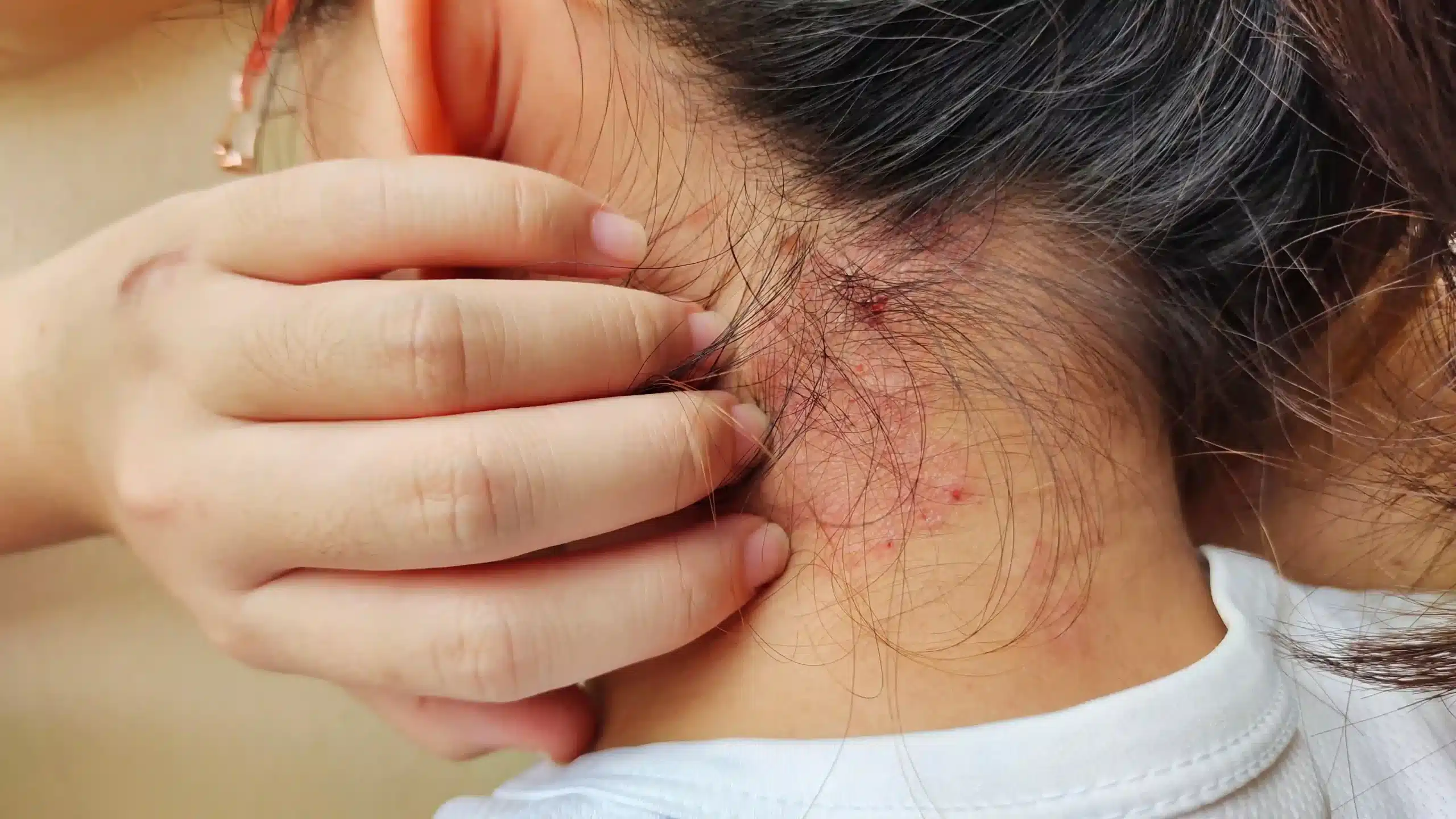
- Fungal acne is caused by Malassezia yeast overgrowth, not acne-causing bacteria.
- Standard acne treatments may worsen fungal acne or fail to improve it.
- Singapore's hot, humid climate can contribute to recurring flare-ups.
- Antifungal treatments target the underlying cause more effectively than antibiotics.
- The right diagnosis and long-term management help reduce recurrent symptoms.
Why do some people spend years treating acne that never seems to improve? In general, acne can be difficult to treat. Results often take time, and finding the right combination of treatments may involve some trial and error.
But there is another possibility: the condition being treated isn’t acne at all.
Fungal acne has become something of a catchphrase online, even in Singapore. But the underlying issue is real. Certain skin conditions, such as Malassezia folliculitis, can closely resemble acne while behaving very differently.
So what exactly is fungal acne? And if it is not acne, why is it so often treated that way? Read on to find out.
What Fungal Acne Actually Is (And Why It's Not Acne at All)
Despite its name, fungal acne is not a form of acne. The condition is dermatologically known as Malassezia folliculitis, sometimes referred to as Pityrosporum folliculitis. It develops when Malassezia, a type of yeast that naturally lives on the skin, overgrows inside hair follicles and triggers inflammation.
This is where the confusion begins. Acne is typically associated with factors such as excess oil production, clogged pores, inflammation, and the activity of acne-causing bacteria. Malassezia folliculitis involves a different process altogether.
So why do so many people call it fungal acne?
The answer is simple: it often looks like acne. The condition commonly causes clusters of small bumps that resemble whiteheads or acne breakouts, making it difficult to distinguish without a closer assessment. Over time, “fungal acne” became the term patients used to describe this acne-like eruption, even though it is not medical diagnosis.
The distinction matters because treatment is guided by the underlying cause. When an acne-like breakout is driven by yeast rather than the factors associated with acne vulgaris, approaches that work well for conventional acne may not address the root of the problem.
Fungal Acne vs Bacterial Acne: Six Differences That Matter
At first glance, fungal acne and bacterial acne can look surprisingly similar. But when dermatologists evaluate persistent breakouts, they often look for patterns that help distinguish one from the other. Here is how to tell fungal acne apart from bacterial acne.
One of the most noticeable differences is the appearance of the bumps themselves. Fungal acne typically causes many small, similarly sized bumps that appear quite uniform. Acne, by contrast, tends to produce a mixture of lesions, including whiteheads, blackheads, inflamed pimples, and deeper nodules.
The location of the breakouts can also provide clues. Fungal acne can be the reason for scalp and forehead breakouts. It also frequently affects the chest, shoulders, and upper back. Conventional acne often concentrates around the face, particularly the T-zone, cheeks, and jawline.
Another feature that stands out is itch. While acne can occasionally feel tender or irritated, fungal acne is often itchy, particularly during flare-ups.
The timing of flare-ups can be different, too. Many people notice fungal acne becoming more prominent after heavy sweating, prolonged heat exposure, humid weather, or situations where the skin remains covered for extended periods.
Response to treatment may be another clue. If a breakout persists despite appropriate acne treatment or seems to worsen during treatment, it may be worth reassessing the diagnosis. This is one reason fungal acne is frequently mistaken for stubborn or treatment-resistant acne.
Finally, the onset can sometimes feel different from conventional acne. Some people notice a sudden eruption of bumps rather than the more gradual development often associated with acne.
No single sign can confirm fungal acne on its own. However, when several of these patterns appear together, they can help point towards a different explanation for persistent breakouts.
What Causes Malassezia Overgrowth: The Tropical Climate Factor
One of the reasons fungal acne can be frustrating is that the yeast involved is not something you “catch” from someone else. Malassezia is a normal part of the skin’s microbiome and lives on most healthy adults without causing problems.
Issues tend to arise when conditions allow the yeast to multiply more than usual within the hair follicles.
Several factors may contribute to this overgrowth. Heat, humidity, excessive sweating, prolonged skin occlusion, oily skincare products, certain medications such as antibiotics, and conditions that affect the immune system have all been associated with Malassezia folliculitis.
This is where Singapore’s climate becomes relevant.
Malassezia thrives in warm, humid environments. With year-round temperatures, frequent perspiration, and high humidity levels, Singapore naturally creates conditions that may encourage yeast growth on the skin. This does not mean everyone living in Singapore will develop fungal acne. However, it may help explain why some people experience recurring flare-ups despite following a consistent skincare routine.
Daily habits can also contribute. Wearing tightly fitted gym clothing for extended periods, remaining in sweat-soaked activewear after exercise, or spending long periods in hot and humid conditions may create an environment where yeast can flourish. Similarly, heavier skincare products that trap heat, sweat, and oil against the skin may worsen the problem in some individuals.
This may also explain why fungal acne sometimes appears to improve temporarily before returning. If the underlying conditions that encourage Malassezia overgrowth remain unchanged, flare-ups may continue to recur even after the skin initially settles.
For people dealing with persistent or recurring breakouts, understanding these triggers can be just as important as identifying the condition itself.
Why Standard Acne Treatments Make Fungal Acne Worse
For many people, this is the moment the pieces start to fall into place. The problem is not necessarily that the treatment is ineffective. In many cases, it is targeting the wrong biological process.
One commonly discussed example is antibiotics. Oral and topical antibiotics are often used to manage inflammatory acne by reducing certain bacteria on the skin. However, antibiotics do not target Malassezia. By altering the balance of microorganisms on the skin, they may reduce some of the bacterial competition that normally coexists with yeast, potentially allowing Malassezia to proliferate more easily.
Skincare products can be part of why your fungal acne treatment is not working. Many moisturisers, facial oils, and heavier sunscreen formulations are designed to support dry or compromised skin. While these products are not inherently problematic, some people with fungal acne find that richer, more occlusive products seem to coincide with flare-ups.
Other acne treatments may address part of the problem without tackling the underlying cause. Benzoyl peroxide, for example, may help reduce inflammation in some cases, but it is not designed to target the yeast associated with Malassezia folliculitis.
Retinoids present a different challenge. They remain an important treatment option for many skin conditions, including acne, but they do not address Malassezia overgrowth directly. In some individuals, the irritation that can occur during retinoid use may further compromise an already sensitive skin barrier, making persistent breakouts even more frustrating to manage.
This has contributed to the rise of the “fungal acne-safe” skincare trend online. Entire product lists, ingredient checkers, and skincare routines have been built around avoiding ingredients believed to aggravate Malassezia.
While these resources may help some people identify potential triggers, they have limitations. Fungal acne-safe skincare is not a treatment for Malassezia folliculitis. At best, it is a strategy that may reduce factors that contribute to flare-ups. Finding a fungal acne treatment that works usually starts with identifying the condition correctly.
If you’ve tried multiple acne treatments without lasting improvement, it may be worth reassessing the diagnosis rather than changing products again. Speak to one of our dermatologists at DermAlly about persistent acne and fungal skin conditions.
How a Dermatologist Confirms the Diagnosis
One reason fungal acne is frequently misidentified is that there is no single test that instantly confirms it in every case. A fungal acne diagnosis typically involves piecing together several clinical clues while ruling out other conditions that can look similar.
The consultation often starts with a discussion of your symptoms and treatment history. A DermAlly dermatologist may ask what treatments you’ve already tried, whether the breakouts improved or worsened, and how long the condition has been present.
In many cases, the diagnosis can be made clinically based on the overall presentation. However, when there is uncertainty, additional testing may be considered.
One option is a skin scraping with potassium hydroxide (KOH) preparation, sometimes referred to as a Malassezia folliculitis test. This involves examining skin samples under a microscope to look for evidence of yeast overgrowth within the follicles.
A skin biopsy is rarely necessary. It is generally reserved for atypical cases or situations where another skin condition remains a possibility despite initial assessment.
Importantly, a fungal acne diagnosis is often a process of exclusion as much as confirmation. Depending on your symptoms, a dermatologist may also consider conditions such as acne vulgaris, perioral dermatitis, keratosis pilaris, or milia before arriving at a final diagnosis.
Book a consultation at DermAlly for a professional diagnosis.
Treatment Options for Fungal Acne
When it comes to fungal acne treatment, the goal is not only to reduce yeast overgrowth but also to restore a healthier balance within the skin’s microbiome and minimise the factors that contribute to recurring flare-ups.
Topical Antifungals
For many patients, treatment begins with topical antifungal therapies. Commonly used ingredients include ketoconazole, selenium sulfide, ciclopirox, and zinc pyrithione. Depending on the treatment plan, these may be used as washes, shampoos, or leave-on preparations for affected areas.
Application technique is often overlooked but can make a difference. For example, a ketoconazole-based wash used for fungal acne management is typically left on the skin for several minutes before being rinsed off, rather than being washed away immediately. Treatment frequency, contact time, and the areas being treated should follow a dermatologist’s instructions.
Some topical antifungal shampoos may also be used on areas beyond the scalp, which is why people sometimes encounter discussions about using an antifungal shampoo for the face or body. However, suitability depends on the individual’s skin condition and diagnosis.
When used appropriately, topical antifungal acne treatments may help reduce yeast overgrowth and improve symptoms.
Oral Antifungals (When Warranted)
Topical treatment may not always be sufficient. For more extensive, recurrent, or treatment-resistant cases, prescription oral antifungal medications such as itraconazole or fluconazole may be considered. These medications work throughout the body and may be useful when large areas of skin are affected or when topical therapies have not provided adequate improvement.
An oral antifungal acne treatment is typically prescribed for a relatively short period, often measured in weeks rather than months. Because these medications can affect liver function and interact with other medications, monitoring and follow-up may be required.
The decision to prescribe itraconazole for fungal acne or other oral antifungal medications should always be made by a dermatologist after an individual assessment.
These medications are generally contraindicated or require particular caution during pregnancy. Patients who are pregnant, planning pregnancy, or breastfeeding should discuss this with their dermatologist before treatment.
Skincare and Lifestyle Adjustments
Many dermatologists recommend reviewing skincare products and daily habits that may contribute to recurring flare-ups. This may include avoiding products that contain certain medium- and long-chain fatty acid derivatives, which may provide a favourable environment for Malassezia growth.
This is where the concept of fungal acne-safe ingredients comes from. In practice, the term refers to choosing products that are less likely to support Malassezia overgrowth while still maintaining skin barrier health.
Building a fungal acne skincare routine may also involve practical lifestyle measures. Showering soon after exercise, changing out of damp clothing promptly, and reducing prolonged skin occlusion may help minimise conditions that encourage yeast proliferation.
In Singapore’s humid climate, some people may also benefit from avoiding unnecessarily heavy or occlusive moisturisers, particularly if they notice a consistent relationship between these products and flare-ups.
While skincare and lifestyle modifications alone may not eliminate Malassezia folliculitis, they can play an important supporting role in reducing recurrence and maintaining long-term control.
Why Recurrence Is Common (and How to Prevent It)
One of the most frustrating aspects of fungal acne is that it can return even after successful treatment. This happens because Malassezia is a normal resident of the skin.
For this reason, fungal acne recurrence is often the rule rather than the exception, particularly in hot and humid environments such as Singapore. Many of the conditions that encourage flare-ups, such as perspiration, humidity, skin occlusion, and daily exposure to heat, are difficult to avoid entirely.
Long-term management may therefore look different from short-term treatment. Some people require a fungal acne maintenance regimen even after the skin has improved. Depending on the individual situation, this may include periodic use of antifungal cleansers or other preventative measures recommended by a dermatologist.
Lifestyle habits can also make a meaningful difference. Changing out of damp clothing promptly, showering after activities that cause significant sweating, and choosing more breathable fabrics may help reduce conditions that encourage yeast overgrowth.
Special Considerations: Scalp, Chest, and Back Distribution
When people think about fungal acne, they often picture facial breakouts. In reality, some of the most commonly affected areas are outside the face.
Scalp fungal acne can sometimes overlap with seborrhoeic dermatitis, another condition associated with Malassezia. Individuals may notice small bumps around the hairline, scalp irritation, or symptoms that seem to persist despite using products designed for conventional acne.
The chest and back are also frequent sites of involvement. Fungal acne on the chest and on the back tends to occur in areas where sweat, friction, and prolonged skin occlusion are more common. This may help explain why active individuals, gym-goers, and those who spend extended periods outdoors in Singapore’s climate often notice breakouts in these regions.
These areas can also present practical treatment challenges. Products used exclusively on the face may not adequately address the scalp, chest, or back, particularly when larger surface areas are affected.
As a result, fungal acne treatment plans may need to be adjusted according to the body region involved. Cleansers, shampoos, application methods, and treatment frequency may differ depending on whether the scalp, face, trunk, or multiple areas are affected simultaneously.
This is one reason a personalised treatment plan is often more effective than relying on a single product or routine for every affected area.
When to See a Dermatologist
Many cases of acne improve with appropriate skincare and medical treatment. However, some situations warrant a closer look.
If you have persistent itchy bumps that repeatedly appear along the forehead, hairline, upper chest, shoulders, or back, it may be worth seeking an assessment. The same applies if breakouts seem to worsen after antibiotic use, continue despite multiple acne treatments, or return whenever you sweat heavily or introduce new skincare products.
Recurring symptoms do not automatically mean you have fungal acne. However, when a condition repeatedly fails to respond as expected, it may be time to reconsider the diagnosis rather than continue changing products or treatments.
If you’re experiencing ongoing or treatment-resistant breakouts, schedule a consultation with one of DermAlly’s dermatologists for a professional assessment and personalised treatment plan.
How DermAlly Treats Fungal Acne
Fungal acne can be difficult to manage without understanding what is driving the flare-ups in the first place. This is why treatment at DermAlly begins with a comprehensive assessment.
During the consultation, your dermatologist will review factors that may be contributing to the condition, including previous antibiotic use, skincare habits, exercise routines, and environmental exposures. Understanding these patterns can help identify why symptoms developed and why they may be recurring.
When the diagnosis is straightforward, treatment can often begin immediately. If there is uncertainty, additional investigations such as a KOH skin scraping may be performed to look for evidence of Malassezia overgrowth and help guide management.
For most patients, treatment starts with a topical antifungal regimen tailored to the affected areas and severity of the condition. This may involve antifungal washes, shampoos, or leave-on treatments, depending on the presentation.
When symptoms are more extensive, recurrent, or resistant to topical therapy alone, oral antifungal medications may be considered. The decision to escalate treatment is made on an individual basis after assessing the extent of involvement, treatment response, and medical history.
Because fungal acne often occurs in a climate where heat, humidity, and perspiration are unavoidable, treatment also includes practical guidance on skincare, maintenance routines, and lifestyle habits. The aim is not only to improve the current flare-up but also to develop a long-term strategy that helps keep future recurrences under control.
Frequently Asked Questions About Fungal Acne
How is fungal acne different from regular acne?
Fungal acne is caused by an overgrowth of Malassezia yeast within the hair follicles, whereas regular acne involves factors such as excess oil production, clogged pores, inflammation, and acne-causing bacteria. Although the two conditions can look similar, they require different treatment approaches.
Why does my fungal acne keep coming back?
Malassezia is a normal part of the skin’s microbiome, so it cannot be permanently eliminated. Heat, humidity, sweating, skin occlusion, and other triggers may allow the yeast to overgrow again, which is why recurrence is common, particularly in Singapore’s climate.
Can I treat fungal acne with an antifungal shampoo?
In some cases, antifungal shampoos containing ingredients such as ketoconazole, selenium sulfide, or zinc pyrithione may be used on affected areas beyond the scalp. However, application method, frequency, and suitability depend on the individual. It is best to seek professional advice before starting fungal acne treatment.
Is fungal acne contagious?
No. Malassezia folliculitis naturally lives on the skin of most healthy adults. Fungal acne develops when the yeast overgrows within the hair follicles and is not considered a contagious condition.
How long does fungal acne take to clear?
Response times vary depending on the severity of the condition and the fungal acne treatment used. Some people notice improvement within a few weeks, while more extensive or recurrent cases may require longer treatment and maintenance strategies to keep symptoms under control.
Will fungal acne leave scars?
Fungal acne is generally less likely to cause permanent scarring than deeper forms of inflammatory or cystic acne. However, post-inflammatory hyperpigmentation (PIH), which appears as dark marks after the bumps resolve, can occur, particularly in darker skin tones.
Key Takeaway
- Persistent "acne" that does not respond to treatment may not be acne at all.
- Fungal acne often resembles conventional acne, making misdiagnosis relatively common.
- Treatment failure can sometimes be a clue that the underlying condition has been overlooked.
- Managing fungal acne often involves both medical treatment and trigger management.
- Long-term control typically requires an approach tailored to your skin, lifestyle, and environment.
Get a Professional Assessment for Persistent Breakouts
If you’ve spent months trying different acne treatments without seeing lasting improvement, it may be time to look beyond acne itself.
At DermAlly, our dermatologists assess persistent and treatment-resistant breakouts to determine whether fungal acne, acne vulgaris, or another skin condition may be contributing to your symptoms. An accurate diagnosis can help you avoid unnecessary treatments and move towards a management plan that addresses the underlying cause.
Contact DermAlly today to schedule a consultation and learn more about your treatment options.



Our articles are written and reviewed by Dr. Coni Liu (MRCS, FAMS), Dr. Heng Jun Khee (MRCP, FAMS), and Dr. Cheng Hui Mei (FAMS), Ministry of Health-accredited Consultant Dermatologists at DermAlly.
All three are Fellows of the Academy of Medicine (Dermatology) and previously served as Consultants at the National Skin Centre (NSC), bringing extensive experience in medical, surgical, and aesthetic dermatology. They are committed to making expert-led skin education accessible, practical, and clear, helping patients look and feel their best through evidence-based care rooted in science and compassion.