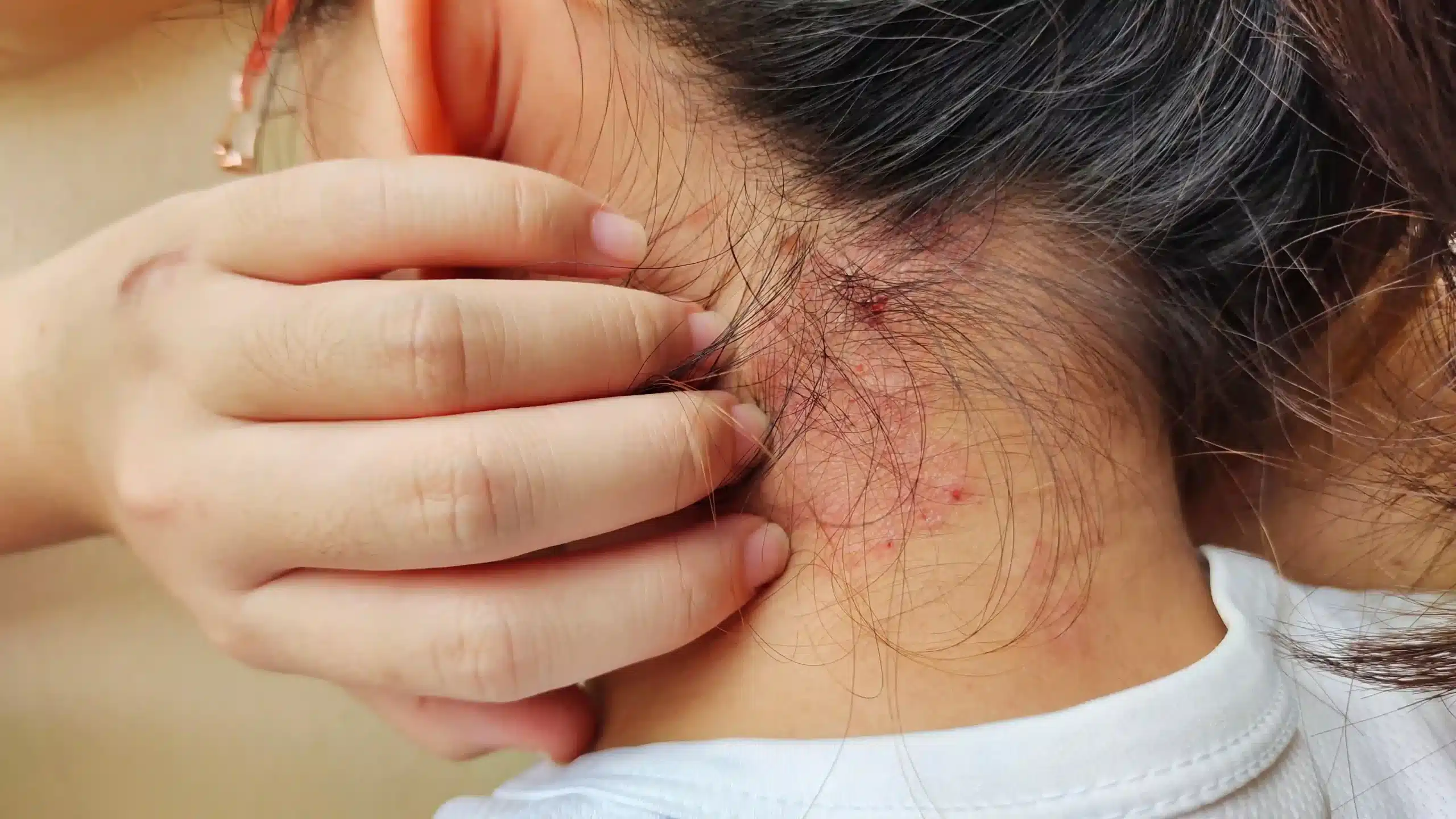
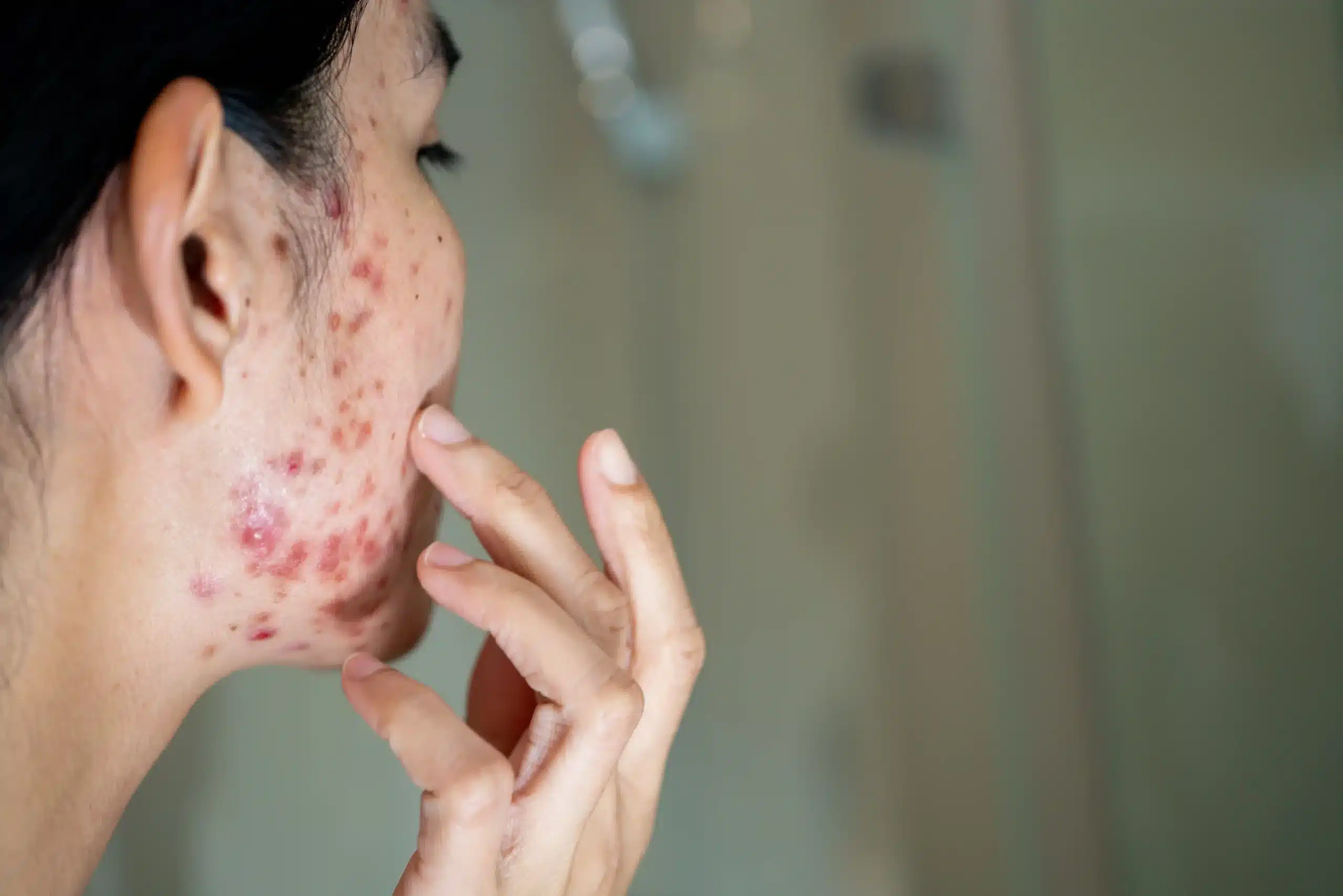
- Back acne behaves differently from facial acne and often needs a different treatment approach.
- Singapore's tropical climate can make flare-ups more frequent and difficult to control.
- Bacne may be driven by bacterial, fungal, hormonal, or overlapping causes.
- Daily habits, including shower routines, can influence treatment outcomes.
- Acne scars and pigmentation can be treated once active breakouts are controlled.
- Personalised treatment helps target the specific factors driving your acne.
If you have breakouts on your face, there is roughly a one-in-two chance you’ve also experienced chest and/or back acne. But back acne (or “bacne”) is often overlooked. Until, of course, you need to expose more skin than usual, like at the beach. Suddenly, your bacne problem can’t be ignored, and you start looking for treatment options.
Why does back acne happen in the first place, and why can it be so stubborn to treat? More importantly, what is the right treatment for back acne? Read on to find out.
Why Back Acne Is Different from Facial Acne
Many people assume the acne treatment products that work on their face should work just as well on their back. In reality, bacne, like other types of body acne, often requires a different approach.
For one thing, the skin on your back isn’t the same as the skin on your face. It is thicker, contains larger sebaceous (oil) glands, and covers a much larger surface area. This can affect how acne develops and how well topical treatments reach the areas that need them.
Then there’s the practical challenge. Unlike your face, your back is difficult to see and reach. Applying back acne treatments consistently can be harder, and early breakouts may go unnoticed until they become more widespread.
Everyday habits can also play a role. Tight-fitting clothing, sports bras, backpacks, and gym wear can create repeated friction against the skin. Dermatologists sometimes refer to this as acne mechanica, which is acne that is aggravated by heat, pressure, and rubbing.
In Singapore, sweat often adds another layer to the problem. When sweat becomes trapped under clothing or mixes with products such as sunscreen and body lotion, it can create an environment where body acne is more likely to persist.
The Three Types of "Bacne" and How to Tell Them Apart
One reason back acne can be difficult to manage is that not every breakout is the same condition. Two people may both describe having bacne, yet the underlying cause may be completely different.
Here are the different types of back acne:
Bacterial Back Acne
This is the type most people think of when they hear the word acne. It typically presents as a mix of blackheads, whiteheads, red bumps, and pus-filled spots. Some people may also develop deeper, more inflamed lesions.
Bacterial back acne often appears across larger areas of the back and may leave dark marks or scars if inflammation is significant.
Fungal Back Acne
Despite the name, fungal back acne is not actually acne.
Also known as Malassezia folliculitis, it occurs when a naturally occurring yeast overgrows within hair follicles. The result is a crop of small, uniform bumps that often feel itchy.
Many people notice flare-ups after sweating heavily, exercising, or spending long periods in hot and humid conditions.
A key clue is that standard acne treatments may provide little improvement. In some cases, they may even worsen symptoms because the underlying trigger is different.
Hormonal Back Acne
Hormonal back acne tends to be deeper and more persistent. Instead of numerous small bumps, you may develop painful cyst-like lesions that form beneath the skin, sometimes on the shoulders. They commonly appear as chest and back acne as well.
Hormonal influences may become more noticeable during periods of hormonal fluctuation, such as menstruation, periods of stress, or certain medical conditions that affect hormone levels.
Many People Have More Than One Type
In practice, these categories do not always exist in isolation. It’s common for patients to have features of bacterial acne alongside hormonal influences or fungal folliculitis. This overlap is one reason self-diagnosing back breakouts can be frustrating.
Why Singapore's Climate Makes Back Acne Stubborn
If you feel like your bacne improves during some periods only to flare up again weeks later, Singapore’s tropical climate may be part of the reason.
Unlike countries with distinct seasons, Singapore’s heat and humidity are a year-round reality. This means your skin is regularly exposed to sweat, moisture, and friction, even during everyday activities such as commuting, exercising, or spending time outdoors.
Clothing can add to the problem. Many people spend the day moving between humid outdoor environments and air-conditioned indoor spaces. This constant shift can affect the skin barrier, while fitted office attire, uniforms, and activewear may trap sweat against the skin for extended periods.
For those who exercise regularly, moisture often lingers long after a workout ends. Whether it’s a gym session before work or an evening run, sweat that remains trapped under clothing can create conditions that encourage breakouts.
Even shower habits may play a role. Frequent cleansing can help remove sweat and surface debris, but overly harsh body washes or detergents may leave the skin feeling dry and irritated. When the skin barrier becomes compromised, it may become more susceptible to ongoing inflammation.
This combination of heat, humidity, sweat, friction, and frequent environmental changes helps explain why back acne in Singapore can be particularly persistent. For many people, managing body acne in humid weather requires more than simply using acne products; it also involves understanding the environment their skin is exposed to every day.
Common Triggers (Activewear, Sweat, Hair Products, Heavy Body Lotions)
Sometimes, the actual causes of bacne are hiding in plain sight. Here are some to watch out for.
Activewear and Post-Workout Sweat
Tight-fitting activewear may hold heat, moisture, and friction against the skin for prolonged periods. For some people, this combination appears to coincide with more frequent flare-ups, particularly across the upper back and shoulders.
This is one reason sweat-related back acne is commonly reported among people who exercise frequently.
Conditioner Residue
When conditioner is rinsed out during a shower, residue can run down the shoulders and back before being washed away. In some people, this may contribute to clogged follicles and recurring breakouts, particularly across the upper back.
Heavy Body Lotions and Oils
Some body products leave a heavier film on the skin than others. Rich moisturisers, oils, and occlusive formulations can sometimes contribute to congestion, especially in areas that are already prone to breakouts. Certain ingredients may also aggravate fungal folliculitis in susceptible individuals.
Sunscreen Choices
Daily sun protection remains important, particularly in Singapore. However, because sunscreen is often applied over large areas of the body, some people notice that certain formulations feel heavier on acne-prone skin than others.
Bedding and Fabric Hygiene
Your back spends hours in contact with clothing, bedsheets, and towels. Over time, these fabrics can accumulate sweat, body oils, and product residue, which may contribute to ongoing irritation in some individuals.
While no single habit is usually responsible for persistent acne, paying attention to these common back acne triggers and making the necessary adjustments can help reduce unnecessary irritation and congestion.
Self-Care Steps That Are Worth Trying
If your acne is mild, a few consistent habits may help reduce new breakouts and support overall skin health. While these steps won’t replace medical treatment for back acne, they are often worthwhile starting points.
Use an Acne-Focused Body Wash
Many standard cleansers remove sweat and surface oils but do little to address acne itself.
Consider a body wash containing salicylic acid or benzoyl peroxide. These ingredients may help reduce clogged pores and inflammatory lesions on the back and chest.
When using a salicylic acid body wash, allow it to remain on the skin briefly before rinsing to maximise contact time.
Shower Soon After Sweating
A good bacne shower routine can help minimise the buildup of sweat, oil, and residue throughout the day.
Aim to shower daily and as soon as possible after activities that cause heavy sweating.
Rinse Conditioner Before Washing Your Back
A simple but often overlooked tip is to cleanse your back after rinsing out your shampoo and conditioner. This helps remove any product residue that may have settled on the skin during your shower.
Choose Breathable Clothing
Where possible, choose breathable cotton fabrics or moisture-wicking materials that help keep the skin cooler and drier throughout the day.
Change Bedding Regularly
Fresh bedding helps reduce ongoing exposure to accumulated sweat, oils, and skincare residue.
Making this a weekly habit is a simple form of back acne home care that many people overlook.
Resist the Urge to Pick
If there’s one habit worth breaking, it’s picking. Every squeezed or popped lesion increases inflammation and raises the likelihood of post-inflammatory marks and back acne scars. Allowing spots to heal naturally gives the skin the best chance of recovering with minimal long-term changes.
These measures may help improve mild body acne, but they won’t work for every type of breakout. If your acne persists despite consistent self-care, it may be time to consider more targeted treatment options.
When OTC Stops Being Enough
Over-the-counter products can help many mild cases of back acne. However, there comes a point where continuing to experiment with new washes, creams, and home remedies may simply delay effective treatment.
One sign is persistence. If you’ve been using appropriate acne products consistently for more than three months without meaningful improvement, it may be worth seeking professional advice.
You should also consider a dermatology assessment if you notice:
- Painful cysts or deep nodules forming beneath the skin
- Acne scars are beginning to develop
- Dark marks are spreading across larger areas of the back
- Frequent flare-ups despite good skincare and lifestyle habits
- Breakouts that continue to worsen over time
The impact on your daily life matters too.
If you’re avoiding certain clothing, skipping activities such as swimming or going to the gym, or feeling self-conscious about exposing your shoulders or back, the condition may be affecting more than just your skin.
The good news is that many treatment options are available beyond over-the-counter products. Depending on the type and severity of your acne, a dermatologist may recommend prescription topical treatments, oral medications, or other targeted therapies.
If your back acne isn’t responding to self-care measures, speak to a dermatologist at DermAlly to discuss your treatment options and prevent further scarring.
Dermatology Treatment Options for Back Acne
Dermatologists typically take a stepped approach to a back acne treatment plan, starting with the least intensive option likely to be effective. However, because back acne can cover a larger area and carries a higher risk of scarring, treatment may be escalated more quickly than it would be for mild facial acne.
Topical Prescription
Prescription topical treatments are often the first step for mild to moderate body or back acne. Your dermatologist may recommend:
- Higher-strength benzoyl peroxide formulations
- Topical clindamycin, usually combined with benzoyl peroxide
- Prescription retinoids such as tretinoin or adapalene
- Azelaic acid to help address post-inflammatory hyperpigmentation (PIH)
One practical challenge with back acne treatment is application. Unlike facial acne, the affected areas can be difficult to reach consistently. Some people use applicator devices, while others may need assistance applying treatment to hard-to-reach areas.
Oral Medications
When back acne is widespread, inflamed, or not responding adequately to topical treatment, oral medications may be considered. These may include:
- Oral antibiotics are typically used as a short-term bridge while other back acne treatments begin working.
- Oral antifungal medications when fungal folliculitis is suspected.
- Hormonal therapies such as spironolactone or certain oral contraceptive pills for women with hormonally driven acne.
- Isotretinoin for severe nodulocystic acne or acne with significant scarring risk.
Isotretinoin is a prescription medication derived from vitamin A and is often considered when other treatments have not been effective. Because it can cause serious birth defects, it must not be used during pregnancy. Patients prescribed isotretinoin typically require regular medical follow-up, including monitoring for potential side effects and appropriate pregnancy precautions where relevant.
If you’re experiencing persistent or widespread acne, it may be worth seeking a professional assessment from one of our dermatologists to discuss the most appropriate treatment options for your skin.
In-Clinic Procedures
In some cases, in-clinic procedures may be used alongside medications to improve outcomes, such as:
- Salicylic acid chemical peels for large treatment areas, such as the back.
- Intralesional injections for individual painful nodules or cysts.
- Laser and light-based treatments to address persistent inflammation, pigmentation, or acne-related marks.
Different technologies may be used depending on the concern being treated. For example, a yellow laser may help reduce persistent redness and inflammation, a pico laser may be considered for post-inflammatory hyperpigmentation, and radiofrequency microneedling may be used to improve back acne scars and skin texture.
These bacne treatments are typically introduced after active breakouts have stabilised, as treating ongoing inflammation remains the first priority.
For patients dealing with both active acne and lingering marks, a combination of medical treatment and procedural therapy may provide the most comprehensive approach.
Treating Back Acne Scarring and Hyperpigmentation
For many people, the acne itself is only part of the problem. Even after breakouts settle, lingering marks and back acne scars can remain for months or even years.
That said, acne marks can be improved. The first step, however, is getting active acne under control. Treating scars while new breakouts are still forming often leads to disappointing results.
Post-Inflammatory Hyperpigmentation (PIH)
Post-inflammatory hyperpigmentation, or PIH, refers to the dark marks that remain after acne lesions heal.
These marks are particularly common on the back and chest because inflammation in these areas tends to be deeper and more prolonged. While PIH is not true bacne scarring, it can take months to fade naturally.
Treatment for body PIH may include topical agents that reduce pigmentation, alongside diligent sun protection. Although the back is often covered by clothing, ultraviolet (UV) exposure can still darken existing marks and slow their improvement.
Atrophic Acne Scars
Atrophic scars form when inflammation damages the skin’s supporting structures, leaving behind depressions or uneven texture.
Unlike PIH, these scars do not fade on their own and often require procedural treatment.
Depending on the type and severity of the scars, options may include:
The most suitable approach depends on factors such as scar type, skin type, and the presence of any ongoing acne activity.
Hypertrophic Scars and Keloids
The chest, shoulders, and upper back are particularly prone to raised scars. These may appear as thickened, firm areas of skin that remain elevated long after the acne has healed. Some people are also more genetically predisposed to developing keloids.
Because these scars behave differently from atrophic scars, they require a different treatment strategy. Depending on the individual case, treatment may include intralesional steroid injections, silicone-based therapies, or other scar-management approaches.
How DermAlly Treats Back Acne
Because back acne can have multiple contributing factors, treatment begins with understanding what’s driving the breakouts in the first place.
At DermAlly, the process starts with a detailed assessment of both your skin and your daily routine. This may include discussing factors such as exercise habits, work commutes, clothing choices, skincare products, and previous acne treatments.
Your dermatologist will then examine the pattern and characteristics of your breakouts. This helps determine whether the condition is most consistent with bacterial acne, fungal folliculitis, hormonally influenced acne, or a combination of factors.
From there, a personalised treatment plan for body, chest, and/or back acne can be developed. This may include prescription medications, procedural treatments, or practical adjustments to your skincare and lifestyle routines.
Because the back is a difficult area to treat consistently, guidance may also include recommendations on product application, treatment sequencing, and ways to incorporate treatment into your daily routine more effectively.
When acne has caused lingering pigmentation or scars, treatment is typically approached in stages. Active acne is addressed first, followed by targeted treatments for residual marks and scarring once the skin has become more stable.
The goal is not simply to reduce breakouts in the short term, but to develop a treatment strategy that is practical, sustainable, and tailored to your skin.
If you’re struggling with persistent back acne or recurring flare-ups, schedule an appointment with one of our dermatologists to discuss your treatment options.
Frequently Asked Questions About Back Acne
1. Why is my back acne worse than my face acne?
Back acne can sometimes be more severe because the back contains larger oil glands, covers a much larger surface area, and is regularly exposed to factors such as sweat, friction, and occlusion from clothing. In addition, back acne may go unnoticed for longer periods, allowing inflammation to persist before treatment begins.
2. Can I use my face products on my back?
In some cases, yes. Ingredients commonly used for facial acne, such as salicylic acid, benzoyl peroxide, and retinoids, may also be used on the back.
However, the back often requires different formulations, application methods, or treatment strengths. Because larger areas are involved, it may also be more practical to use treatment products specifically designed for body acne.
3. How do I prevent back acne after the gym?
One of the most effective steps is to shower as soon as possible after exercising.
Changing out of sweaty clothing promptly, wearing breathable activewear, and maintaining a consistent skincare routine may also help reduce flare-ups. While exercise itself does not cause acne, prolonged exposure to sweat and friction can aggravate existing breakouts.
4. Will my back acne scars go away?
It depends on the type of mark. Dark marks caused by post-inflammatory hyperpigmentation often improve gradually over time, especially when acne is well controlled. True acne scars, however, typically do not disappear on their own and may require treatments such as laser procedures or radiofrequency microneedling.
5. Does sweat cause back acne or just trigger it?
Sweat itself does not directly cause acne, but it can contribute to an environment where existing acne becomes more irritated, particularly when combined with heat, friction, tight clothing, or delayed showering. For many people, sweat acts as a trigger rather than the underlying cause.
6. When should I see a dermatologist for back acne?
Consider seeing a dermatologist if your back acne persists despite several months of consistent over-the-counter treatment, if painful cysts or nodules develop, or if you’re noticing scars or widespread pigmentation.
Key Takeaway
- Back acne is often influenced by multiple overlapping triggers.
- A treatment that works for facial acne may not be enough for body, chest, or back acne.
- Persistent breakouts can leave marks long after active acne settles.
- Professional assessment can help identify the underlying cause of bacne sooner and determine the right treatment.
Get Personalised Treatment for Back Acne at DermAlly
When back acne persists despite your best efforts, continuing to switch products often leads to more frustration than results.
A dermatology assessment can help identify the underlying causes of your breakouts and determine whether prescription treatments, oral medications, or procedural therapies may be appropriate.
Book a consultation with DermAlly to receive a personalised treatment plan designed to address both active acne and its long-term effects.


Our articles are written and reviewed by Dr. Coni Liu (MRCS, FAMS), Dr. Heng Jun Khee (MRCP, FAMS), and Dr. Cheng Hui Mei (FAMS), Ministry of Health-accredited Consultant Dermatologists at DermAlly.
All three are Fellows of the Academy of Medicine (Dermatology) and previously served as Consultants at the National Skin Centre (NSC), bringing extensive experience in medical, surgical, and aesthetic dermatology. They are committed to making expert-led skin education accessible, practical, and clear, helping patients look and feel their best through evidence-based care rooted in science and compassion.
Related Articles: