- CO2 laser uses 10,600nm light to remove targeted skin tissue and trigger collagen remodelling.
- It is an ablative laser, offering stronger resurfacing but with more downtime.
- Fractional CO2 laser targets micro-columns of skin, allowing surrounding areas to support faster healing.
- Recommended for deeper acne scars, advanced photoageing, and selected skin lesions.
- PIH risk in Asian skin must be actively managed with appropriate pre- and post-treatment protocols.
- List ItemRealistic recovery from the CO2 laser is around five to ten days of social downtime.
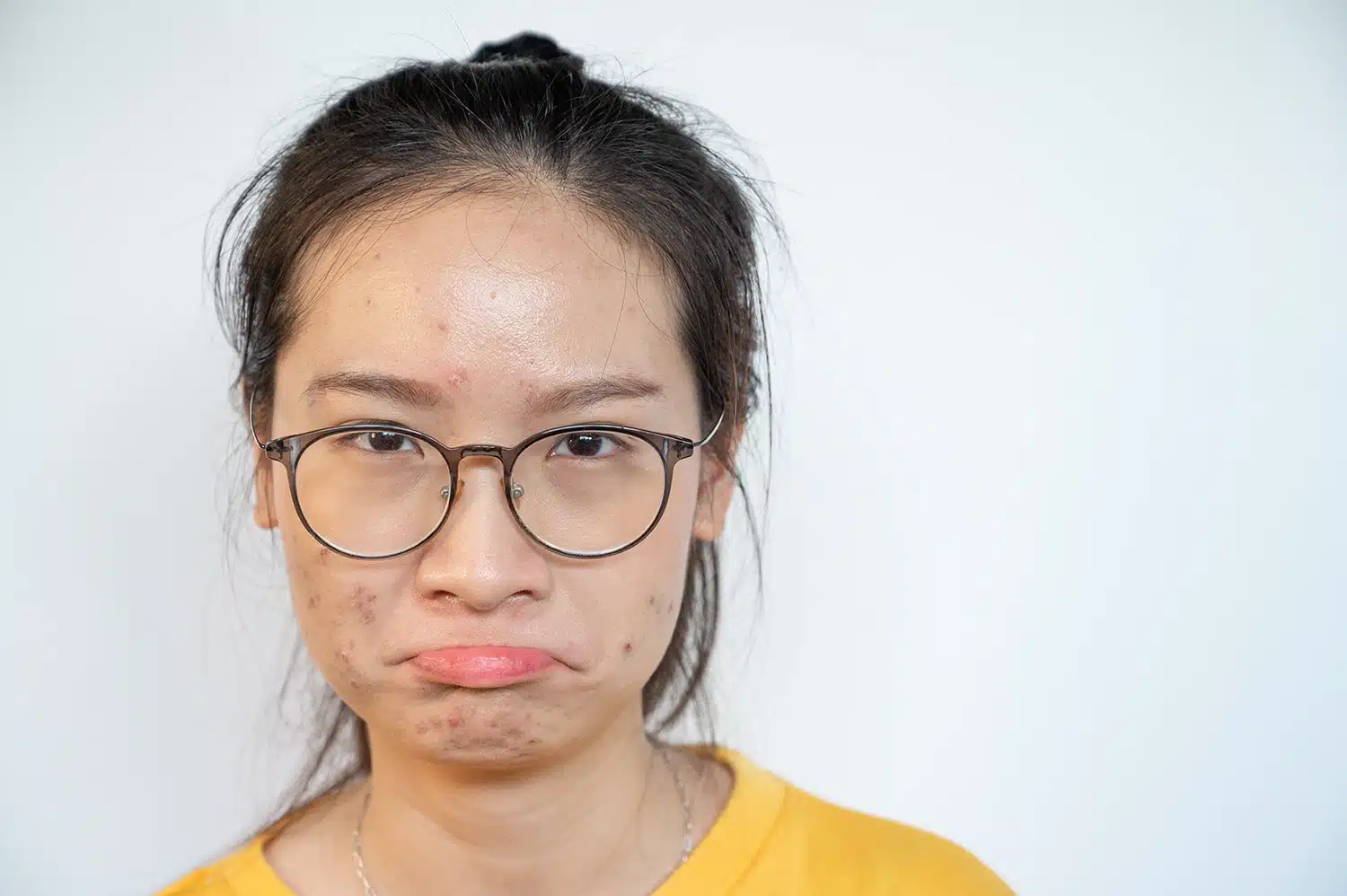
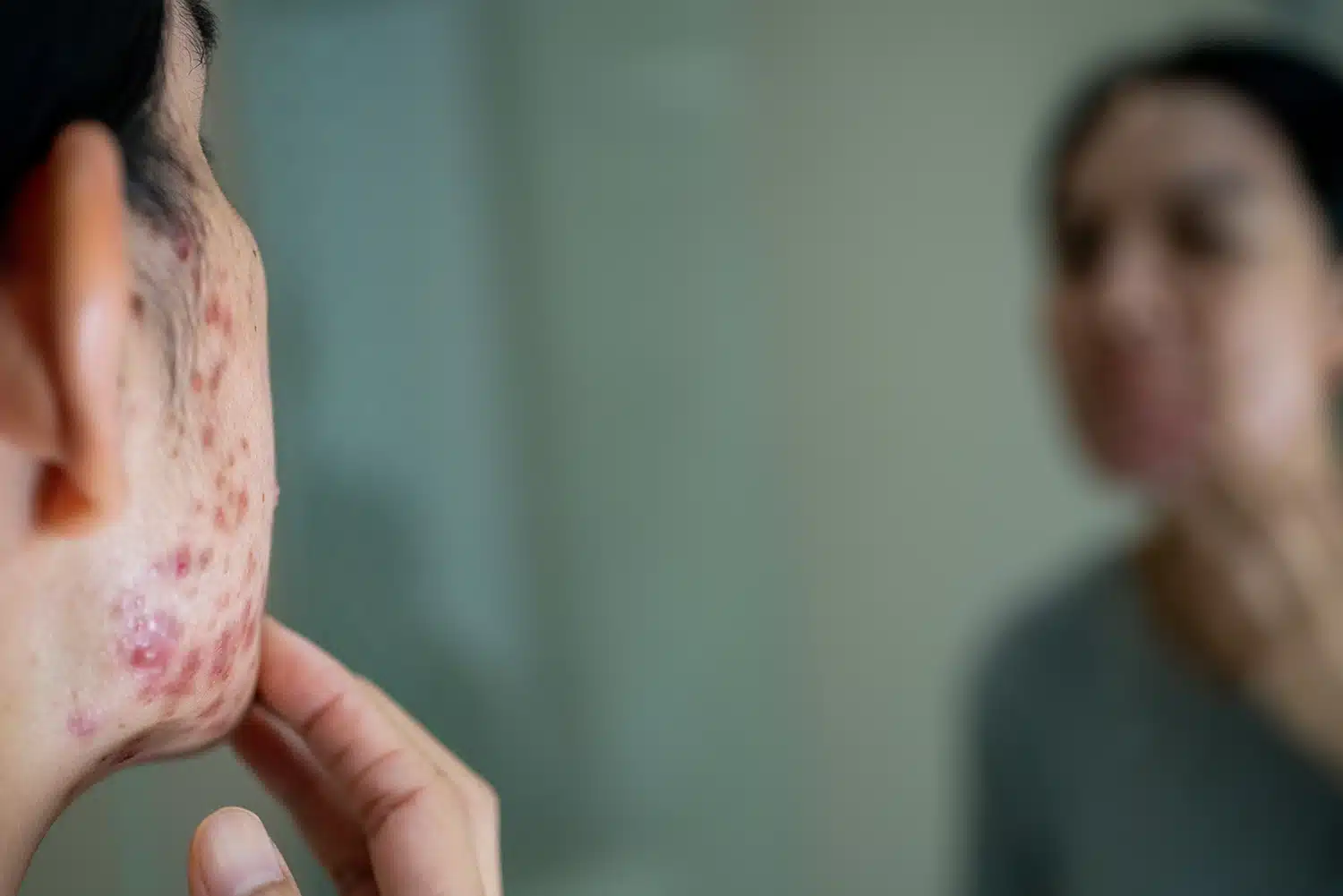
CO2 laser sits at the more intensive end of dermatology treatments. It is often discussed in the context of acne scars, wrinkles, and overall skin resurfacing.
But choosing a CO2 laser treatment in Singapore is not just about results. It is about whether your skin can tolerate an ablative procedure, how much downtime you can manage, and whether the concern you are treating actually requires this level of intervention.
Is a CO2 laser the right treatment for your skin, or are there other options better-suited for your concern? Read on to find out.
What CO2 Laser Is (10,600nm and Why That Matters)
A CO2 laser refers to a 10,600 nm wavelength that is absorbed by water in the skin.
Because skin tissue contains a high amount of water, this allows the CO2 laser to vaporise targeted areas. It achieves a controlled resurfacing effect, where damaged or uneven skin is removed while stimulating collagen remodelling beneath the surface.
This is what defines it as an ablative laser. Unlike treatments that heat the skin without removing it, the 10,600nm laser physically removes micro-layers of tissue to trigger a repair response.
CO2 laser has been used in dermatology for decades, but most modern systems use fractional CO2, where the laser is delivered in micro-columns rather than across the entire surface. This leaves surrounding skin intact, supporting faster healing and more predictable recovery.
Ablative vs Non-Ablative: Which One Is CO2 Laser?
CO2 laser is considered an ablative treatment in Singapore, which means it works by vaporising targeted skin tissue rather than heating it alone.
This is what allows for deeper skin remodelling, but it also comes with a trade-off: more visible downtime and a longer recovery period compared to less intensive options.
In contrast, non-ablative treatments such as RF microneedling or fractional erbium glass lasers work by heating the skin without removing its surface.
RF microneedling uses needles to deliver radiofrequency energy directly into the dermis. Fractional erbium glass lasers, by contrast, use light to create controlled heating zones beneath the skin surface. Both are non-ablative, which means neither removes the skin surface in the way a CO2 laser does.
These treatments typically involve less downtime, but results build more gradually.
The key difference is not which is “better”, but which approach matches your concern, skin type, and tolerance for downtime. A dermatologist can assess your skin and recommend which approach is appropriate for your condition. Book a consultation at DermAlly to get started.
Fully Ablative Laser vs Fractional CO2: Two Modes
CO2 laser can be delivered in two modes: fully ablative and fractional CO2, and the difference affects both results and recovery.
Fully Ablative CO2 Laser | Fractional CO2 Laser | |
How It Works | Treats the entire skin surface | Treats skin in micro-columns with surrounding skin left intact |
Skin Removal | Continuous layer removed | Fractionated removal with untreated zones in between |
Remodelling Depth | More intensive remodelling | Controlled, progressive remodelling |
Downtime | Longest downtime | Shorter, more manageable downtime |
Risk Profile | Higher risk, especially in higher-risk skin types | More predictable, lower relative risk |
Typical Use Today | Reserved for select severe cases | Most commonly used approach in modern practice |
What Fractional CO2 Laser Treats Well
A fractional CO2 laser is typically selected when texture changes extend beyond the surface.
Deep Atrophic Acne Scars
Fractional CO2 is commonly used for boxcar and deeper rolling scars, where collagen loss creates visible depressions in the skin.
The treatment works by stimulating collagen remodelling in the dermis, helping to gradually improve skin texture and reduce the depth of scars over time. Outcomes vary based on scar type and severity, and results build across sessions.
In many cases, a fractional CO2 laser is combined with other treatments such as subcision or RF-based therapies to address different components of scarring more effectively.
Wrinkles and Photoageing
A fractional CO2 laser can also be used for static wrinkles, particularly around the eyes and mouth, where lines remain visible even at rest.
It also targets features of photoageing, including uneven pigmentation, sun damage, and loss of skin firmness. Resurfacing the skin and stimulating collagen, it helps improve overall texture and skin quality over time.
Sun Damage and Texture
This includes changes such as solar elastosis, where long-term sun exposure leads to thickened, less elastic skin.
A fractional CO2 can also be used to improve surface roughness and dullness, helping the skin appear more even. In cases such as actinic keratoses, treatment may be approached with caution or referred for medical management depending on the lesion.
Stretch Marks
Fractional CO2 may be used for older, atrophic stretch marks (striae alba), where collagen loss contributes to their appearance.
The treatment works by stimulating collagen production in the affected areas, with gradual improvement seen over multiple sessions rather than a single treatment.
Specific Skin Lesions
A fractional CO2 laser may also be used in selected cases to treat benign skin lesions, including:
- Dermatosis Papulosa Nigra (DPN): Small, dark, raised bumps commonly seen on the face, especially in darker skin types.
- Syringomas: Tiny, flesh-coloured or yellowish bumps that typically appear around the eyes.
- Sebaceous Hyperplasia: Enlarged oil glands that appear as soft, yellowish bumps with a central indentation.
- Skin Tags: Small, soft growths that hang off the skin, often found in areas of friction such as the neck or underarms.
Suitability depends on the type of lesion and individual skin characteristics, and should be assessed before treatment.
What CO2 Laser Cannot Treat (or Doesn't Treat Best)
A CO2 laser is not designed for every skin concern. In some cases, other treatments are more appropriate or carry a lower risk profile. In Singapore, a CO2 laser is typically not recommended to treat:
- Pigmentation alone. Treatments such as pico or yellow laser are often preferred, as they target pigment more selectively without ablating the skin.
- Active acne should be treated first before considering CO2 laser, as performing the procedure on inflamed skin increases the risk of irritation and post-inflammatory pigmentation.
- Vascular concerns, such as redness or visible blood vessels, respond better to vascular lasers like the yellow laser, which are designed to target blood vessels rather than skin texture.
- Skin laxity as the primary concern is better addressed with energy-based devices such as HIFU or RF microneedling, as a CO2 laser is not designed for lifting or tightening.
Patients who cannot tolerate downtime may be better suited to non-ablative options such as RF microneedling or fractional erbium glass lasers.
CO2 Laser and Asian Skin: The PIH Risk Factor
When considering a CO2 laser for Asian skin types, the main safety concern is post-inflammatory hyperpigmentation (PIH). Compared to non-ablative treatments, the CO2 laser carries a higher risk of PIH because it removes portions of the epidermis. This creates a controlled injury, but in melanin-rich skin, that injury can trigger an overactive melanocyte response, leading to darkening after the skin heals.
This risk is not random. It is influenced by factors such as:
- Baseline pigmentation
- Skin inflammation
- Treatment intensity
- How well the skin is prepared and cared for after the procedure.
To reduce the risk of PIH after CO2 laser treatment, it is typically planned with specific protocols:
- Pre-treatment topical priming, using melanin-suppressing agents where appropriate.
- Conservative laser settings, adjusted to your skin type and tolerance.
- Strict post-treatment care, including sun avoidance and continued pigment control.
Even with these measures, a CO2 laser is not always the first choice for every patient. In individuals with higher PIH risk or less tolerance for downtime, fractional non-ablative options may be recommended instead, as they deliver collagen stimulation with a lower risk of pigmentary complications.
The decision is not based on the treatment name, but on how your skin is likely to respond.
The Pre-Treatment Protocol (Topical Prep, Sun Avoidance)
Preparation before the CO2 laser is not optional. It helps reduce complications and supports more predictable healing, especially in Asian skin. In most cases, a four to six-week pre-treatment phase is recommended.
- Topical priming is often used to reduce melanocyte activity before treatment. This may include melanin-suppressing agents such as hydroquinone, tranexamic acid, or retinoids, depending on your skin type and risk profile.
- Strict sun avoidance is essential in the weeks leading up to the procedure. Increased sun exposure raises baseline pigmentation and can increase the risk of post-inflammatory hyperpigmentation after treatment.
- Certain skincare actives are paused before the procedure. This typically includes exfoliating acids, retinoids, and other potentially irritating products that may increase skin sensitivity.
- Recent isotretinoin use is reviewed, as timing can affect how the skin heals. Your dermatologist will advise whether it is appropriate to proceed based on your treatment history.
- A realistic expectations discussion is part of the preparation process. This includes understanding the downtime involved, how results develop over time, and what level of improvement is achievable.
This pre-treatment phase helps ensure that your skin is in a more stable state before undergoing an ablative procedure.
What to Expect During a Session
A CO2 laser session is a controlled, in-clinic procedure designed to make the treatment as tolerable as possible.
- Before the procedure, your skin is cleansed, and a topical anaesthetic is applied. For full-face treatments, nerve blocks may also be used to improve comfort.
- Eye protection is placed before the laser begins, as the wavelength used in the CO2 laser requires proper shielding.
- The treatment itself typically takes 30 to 60 minutes, depending on the area being treated and the intensity of the session.
- During the procedure, you may feel heat and a snapping sensation as the laser is delivered. With adequate anaesthesia, this is generally tolerable.
- Immediately after treatment, the skin appears red and swollen, often with pinpoint bleeding and a “frosted” appearance. This reflects the controlled injury created by the laser and is part of the expected response.
While the procedure itself is relatively short, the visible effects begin immediately and transition into the recovery phase over the following days.
- Before the procedure, your skin is cleansed, and a topical anaesthetic is applied. For full-face treatments, nerve blocks may also be used to improve comfort.
Recovery: The Honest Timeline (5–10 Days Social Downtime)
The post-CO2 laser recovery period is often underestimated. While the procedure itself is short, the visible downtime that follows is real and should be planned for.
- Day 1–3: The skin is typically very red, swollen, and warm. Oozing and a bronzed or darkened appearance can occur as the treated tissue begins to dry and form a protective layer.
- Day 4–7: Peeling and crusting become more noticeable. As this layer sheds, new, sensitive skin emerges underneath. This is the phase most associated with visible CO2 laser downtime.
- Week 2: The skin is usually pink or red but less reactive. Most people can return to normal routines, and makeup may be used if the skin has healed sufficiently.
- Week 3–4: Redness continues to fade gradually. Skin texture starts to look more even, though some residual sensitivity may remain.
- Months 2–3: Beyond the initial healing phase, collagen remodelling continues quietly beneath the surface. Improvements in texture and scarring become more apparent over time.
A realistic expectation is five to ten days of social downtime, depending on the intensity of the treatment and your skin’s healing response.
Aftercare and the Sun Protection Critical Period
Aftercare plays a critical role in how well your skin heals and how effectively risks such as PIH are managed.
- Gentle cleansing is recommended in the early days. The goal is to keep the skin clean without disrupting the healing surface.
- Occlusive moisturisers, such as petrolatum-based products, are often used during the initial healing phase to support the skin barrier and reduce water loss.
- Strict sun avoidance is essential for at least four weeks, and often longer. UV exposure during this period can significantly increase the risk of post-inflammatory hyperpigmentation.
- Melanin-suppressing topicals may be continued after treatment, depending on your risk profile and how your skin is healing.
- Follow-up review is typically scheduled to assess healing, monitor for complications, and guide when to resume normal skincare or plan subsequent sessions.
Sessions Required and Realistic Outcomes
CO2 laser is not a one-off treatment. Results build over time and are planned across sessions.
- Most people require one to three sessions, typically spaced a few months apart to allow for full healing and collagen remodelling between treatments.
- Each session is more intensive than non-ablative alternatives, because each session achieves deeper remodelling than non-ablative alternatives, fewer sessions are typically required overall. The trade-off is more downtime per treatment.
- The realistic outcome is significant improvement, not complete removal of scars or texture changes. The goal is more even skin, rather than perfect skin.
- Combination treatment is often used. Procedures such as subcision, RF microneedling, or targeted topicals may be added to address different aspects of scarring or skin quality more effectively.
Outcomes vary based on your scar type, skin condition, and how your skin responds to treatment.
Risks and Side Effects
CO2 laser is an effective but intensive treatment, and like all ablative procedures, it carries the following risks:
- Post-inflammatory hyperpigmentation (PIH) is the most common concern, particularly in Asian skin, where pigment-producing cells are more reactive to inflammation.
- Prolonged redness (erythema) can last for several weeks, and in some cases, a few months before fully settling.
- Hypopigmentation (lightening of the skin) is less common but more difficult to treat when it occurs.
- Scarring is rare but possible, especially if healing is disrupted or the skin is treated too aggressively.
- Infection is uncommon with proper aftercare, but the skin is temporarily more vulnerable during the healing phase.
- Reactivation of cold sores may occur in individuals with a history of herpes simplex, particularly with treatments around the mouth.
These risks are not uniform. They depend on your skin type, treatment settings, and how closely pre- and post-care protocols are followed.
When CO2 Laser Is the Right Choice
CO2 laser is not the first step for every patient. At DermAlly, our dermatologists typically consider when the concern and the patient profile align with a more intensive resurfacing approach.
- Deep atrophic acne scars that have not responded to non-ablative treatments may benefit from CO2 laser, as it allows for deeper collagen remodelling.
- Significant photoageing, including established wrinkles and texture changes, may be suitable when a more intensive treatment is needed and downtime is acceptable.
- Patients who can commit to recovery and aftercare are better suited, as healing and post-treatment care directly affect outcomes.
- Patients with stable underlying skin conditions are preferred, as active inflammation or barrier instability can increase the risk of complications.
- Patients with realistic expectations tend to achieve better satisfaction, understanding that the goal is improvement rather than complete correction.
CO2 laser is chosen based on suitability, not just availability. Book a consultation with us for a personalised treatment plan.
How DermAlly Decides on CO2 Laser
At DermAlly, the decision to proceed with CO2 laser is made through a structured, diagnosis-led approach.
- Skin type is assessed first, including pigmentation risk and how your skin is likely to respond to an ablative procedure.
- The severity and type of scarring or ageing are evaluated, as this determines whether a fully ablative CO2 laser or fractional CO2 is appropriate.
- Lifestyle and downtime tolerance are considered, as recovery is a key part of the treatment process.
- Pre-treatment preparation is planned before proceeding, ensuring the skin is stable and properly primed for treatment.
- The treatment plan may be adjusted or changed, including pivoting to non-ablative options if the risk profile suggests a safer or more suitable alternative.
The goal is not to fit you into a treatment, but to select a treatment that fits your skin.
Frequently Asked Questions About CO2 Laser in Singapore
1. How long is the recovery from the CO2 laser?
Most people need about five to ten days of visible downtime after a CO2 laser treatment.
2. Is the CO2 laser safe for Asian skin?
Yes, Asian patients can go for CO2 laser in Singapore, but it requires careful settings because their higher melanin levels increase the risk of post-inflammatory hyperpigmentation if the skin is overstimulated.
3. How many sessions of CO2 laser do I need?
Most people need one to three sessions, because deeper concerns like acne scars or wrinkles require repeated collagen remodelling over time rather than a single treatment.
4. Will a CO2 laser remove my acne scars completely?
No, a CO2 laser does not remove acne scars completely, because scars are structural changes in the skin that can be improved but not fully erased.
5. Can I go to work after a CO2 laser treatment?
Most people need at least five days before returning to work, because the skin is visibly red, peeling, and healing during the initial recovery period.
6. Is a CO2 laser worth the downtime?
It depends on your priorities, because the CO2 laser offers deeper skin remodelling but requires more downtime compared to lower-intensity treatments.
Key Takeaway
- CO2 laser is a high-intensity resurfacing treatment used for deeper skin remodelling.
- It is ablative, which means more downtime than non-ablative alternatives, but also deeper and more noticeable texture improvement
- Asian skin requires PIH-aware protocols, including conservative settings for CO2 laser and proper aftercare.
- Results are visible improvement, not complete removal of scars or other skin concerns.
- Combination treatments are often used along with CO2 laser.
Start With a Proper Diagnosis
CO2 laser is not a one-size-fits-all treatment. Your scar type, skin condition, and PIH risk all determine whether it is suitable, or whether a combination approach will give you better results.
At DermAlly, we assess your skin first, then plan treatment based on what your skin can safely tolerate and what will improve it over time.
Book a consultation with our DermAlly team to get started.


Our articles are written and reviewed by Dr. Coni Liu (MRCS, FAMS), Dr. Heng Jun Khee (MRCP, FAMS), and Dr. Cheng Hui Mei (FAMS), Ministry of Health-accredited Consultant Dermatologists at DermAlly.
All three are Fellows of the Academy of Medicine (Dermatology) and previously served as Consultants at the National Skin Centre (NSC), bringing extensive experience in medical, surgical, and aesthetic dermatology. They are committed to making expert-led skin education accessible, practical, and clear, helping patients look and feel their best through evidence-based care rooted in science and compassion.