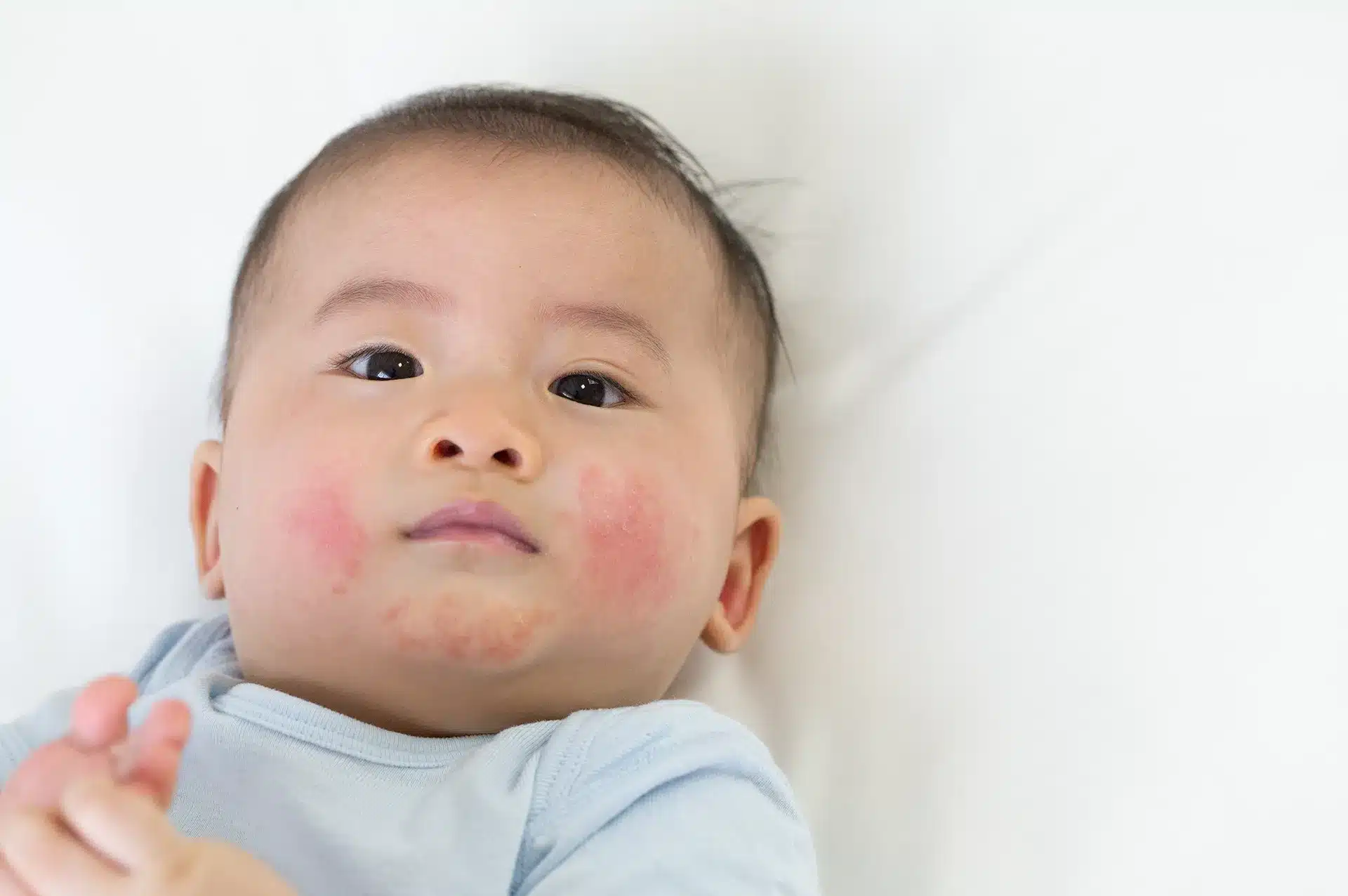
- Most Singaporeans are Fitzpatrick III, IV, and V, meaning higher melanin and greater PIH risk.
- The same laser settings that work on lighter skin can trigger pigmentation rebound on darker skin.
- Wavelength, fluence, density, and pre- and post-procedure protocols are all adjusted accordingly.
- PIH is the primary risk driving every treatment decision for Asian skin.
- Many global treatment protocols were not developed for Fitzpatrick III–V skin.
- A dermatologist experienced with Asian skin calibrates every protocol to the individual.
You’ve done your research. You’ve seen the results someone got from a laser treatment overseas, or read about a procedure that worked brilliantly for a colleague. You book a consultation, feeling optimistic. Then the dermatologist suggests a different device, a more conservative setting, or a longer treatment course than you expected. Why?
The answer, in most cases, comes down to your skin type. Specifically, how your skin produces and responds to melanin (the pigment that gives skin its colour). For most Singaporeans, that biology means an aesthetic treatment for Asian skin looks meaningfully different from protocols developed for lighter skin tones.
Understanding why is the first step to making well-informed decisions about your skin.
What Fitzpatrick Skin Type Means (and Why It Matters in Aesthetic Care)
The Fitzpatrick scale is a classification system developed in 1975 by dermatologist Thomas Fitzpatrick to describe how different skin types respond to ultraviolet (UV) light. It runs from Type I (very fair skin that always burns and never tans) through to Type VI (deeply pigmented skin that never burns). The scale was originally designed for predicting sunburn risk, but it has since become one of the most widely used tools in aesthetic medicine for guiding laser settings, chemical peel choices, and overall procedure planning.
The reason it matters so much in aesthetic care is practical: skin’s response to light, heat, and chemical stimulation is partly determined by how much melanin it contains and how reactive its melanocytes (the cells that produce melanin) are. A laser setting that safely treats a Fitzpatrick Type II patient may cause pigmentation problems in a Type IV patient. The same peel applied at the same depth may produce different outcomes depending on where someone sits on this scale.
Given the demographic profile of Singapore, Fitzpatrick Types III, IV, and V are the most commonly seen skin types in clinical practice, though the range is broader given the city’s multicultural population. For this group, several treatment parameters may change:
- Wavelength selection
- Fluence (the energy level delivered per unit area)
- Number of treatment passes
- Recovery intervals
- Pre- and post-procedure skincare protocol
The Fitzpatrick scale is a useful starting point, but it is not a complete picture. Two people classified as Type IV may have quite different melanocyte reactivity, different histories of post-inflammatory hyperpigmentation (PIH, explained in more detail below), and different baseline skin conditions. A thorough skin assessment considers Fitzpatrick type alongside individual history, current skin health, and treatment goals.
The Distribution of Skin Types in Singapore
Singapore’s population is one of the most ethnically diverse in Asia, with significant communities of Chinese, Malay, Indian, Eurasian, and Peranakan heritage, among others. This diversity means the range of Asian skin types in Singapore is genuinely broad: you’ll find Fitzpatrick Types II through VI represented across the population, with most patients in clinical practice likely sitting in the III to V range given the predominant ethnic makeup.
That distribution has a direct implication for how aesthetic protocols need to be calibrated locally. A significant proportion of the evidence base and many of the device protocols used in aesthetic medicine were developed in Western markets, primarily on Fitzpatrick Types I and II. When those protocols are applied without adjustment to Types III through V, the risk of adverse outcomes for Asian skin, particularly PIH, increases considerably.
This is not a reason to avoid aesthetic procedures. It is a reason to seek care from practitioners who have experience with the skin types that actually make up their patient population. A clinic without experience with Asian skin, Fitzpatrick Types III to V, may not have refined the protocol adjustments that are necessary for Singaporean skin. For anyone considering laser treatment in Singapore, your dermatologist’s familiarity with Asian skin types is a clinically relevant factor, not just a marketing talking point.
Not sure where your skin sits on the Fitzpatrick scale, or what that means for your treatment options? Book a consultation at DermAlly and get a proper assessment before committing to any procedure.
The Core Concern: Why Asian Skin Is More Prone to PIH
Post-inflammatory hyperpigmentation (PIH) refers to the darkening of the skin that occurs in response to inflammation or injury. It is a common complication of aesthetic procedures in patients with Fitzpatrick Types III through VI, and understanding why it occurs helps explain how treatment planning for aesthetic procedures differs for Asian skin.
Here is the underlying mechanism. Darker skin contains more melanin and, critically, more reactive melanocytes. When the skin experiences any form of trauma (heat, light energy, friction, or chemical stimulation), it triggers an inflammatory response. That inflammation, in turn, stimulates melanocytes to produce additional melanin. In lighter skin types, this response tends to manifest as redness or temporary irritation. In darker skin types, it is more likely to produce visible darkening of the affected area.
Even mild trauma can trigger this response. A laser setting that causes no noticeable reaction in a Type II patient may cause PIH in a Type IV patient. The same inflammatory pathway explains why PIH can occur after procedures that are not commonly associated with significant skin trauma, including some chemical peels, certain energy-based treatments, and even aggressive facial massage.
The persistence of PIH is also worth understanding. For some Asian skin types, PIH resolves within a few weeks. In others, particularly those with deeper pigmentation or without appropriate post-procedure management, it may persist for several months or, in some cases, more than a year. This is not a minor inconvenience; for many patients, it represents a significant worsening of the skin concern they came to treat.
There is an important inverse relationship at work here. Lighter skin types are more vulnerable to the thermal side of treatment: burning, redness, and prolonged erythema (skin redness and inflammation). Darker skin types are more vulnerable to the pigmentation side: melanocyte stimulation, PIH, and uneven tone. Every protocol adjustment made for Asian skin is, in essence, an attempt to deliver effective treatment while staying below the threshold that triggers this pigmentation response.
For more on how pigmentation develops and is managed, read Why Skincare Products May Be Ineffective at Removing Pigmentation.
Pigmentation Risk: Why It's the #1 Consideration in Asian Skin
When a dermatologist plans an aesthetic procedure for an Asian patient with Fitzpatrick Types III to V skin, one question sits at the centre of every decision: what’s the level of PIH risk, and what can be done to reduce that risk?
The answer shapes the entire treatment approach. Lower fluence settings reduce the thermal energy delivered to the skin, which lowers PIH risk but typically means more sessions are needed to achieve the same cumulative result. Longer pulse duration spreads the energy delivery over time, reducing peak thermal stress. Fewer passes per session limit cumulative exposure. Wavelength selection determines how deeply light penetrates and how much surface melanin is engaged, and with it, the melanin laser risk that must be managed for every patient. Longer recovery intervals between sessions give the skin time to settle fully before the next treatment.
Beyond the procedure itself, pre-treatment and post-treatment management matter. A melanin-suppressing topical regimen in the weeks before a higher-risk procedure can reduce baseline melanocyte reactivity. This is an effective way to reduce PIH after laser and other energy-based treatments. Strict sun protection after a procedure is not optional, as UV exposure in the recovery period is a common driver of pigmentation rebound and can significantly worsen outcomes.
It is worth being direct about one reality: a protocol designed to be safe for darker skin types may take twice as many sessions to achieve a comparable result to a more aggressive protocol applied to lighter skin. That is not a failure of the treatment. It reflects a considered trade-off between efficacy and safety. A dermatologist who recommends a more conservative course is not being overly cautious; they are making a sound clinical decision based on your skin’s biology.
Procedures That Need Special Adjustment for Asian Skin
What causes PIH in Asian skin is seldom the choice of treatment. It is the settings, the wavelength, and what happens in the weeks before and after treatment.
Here is how that calibration works across four procedure categories.
Lasers: Settings, Wavelength Choice, and Fluence
Laser treatment planning for Asian skin centres on wavelength selection and energy calibration. Longer wavelengths, such as the 1064nm Nd:YAG laser and the 1064nm picosecond laser, penetrate deeper into the skin and largely bypass surface melanin. This reduces the risk of triggering the melanocyte response that leads to PIH, making these wavelengths generally more appropriate for Fitzpatrick Types III, IV, and V.
Shorter wavelengths, such as 532nm and the broad-spectrum light used in intense pulsed light (IPL) devices, are more readily absorbed by surface melanin. In lighter skin types, this is useful for targeting pigmentation directly. In darker skin types, it increases the risk of indiscriminate melanin stimulation and PIH. This does not mean these wavelengths are never used in Asian skin, but they require more careful calibration and, in some cases, are not appropriate.
Picosecond lasers deliver energy in extremely brief pulses (measured in picoseconds, or trillionths of a second), creating a predominantly photoacoustic (pressure-wave) effect rather than a thermal one. This reduced thermal component is associated with lower PIH risk compared with older Q-switched nanosecond lasers, though protocol and skill still matter considerably.
DermAlly offers Pico Laser for concerns including pigmentation, acne scars, and large pores, and Yellow Laser, which is used for conditions such as melasma and rosacea and carries a reasonable safety profile for Asian skin when applied appropriately.
For skin texture and resurfacing, Fractional CO2 Laser is also available, though it requires careful patient selection as discussed below.
Chemical Peels: Acid Choice and Application Depth
Chemical peels span a wide range of depths and risk profiles. Superficial peels using mandelic acid or salicylic acid (a beta-hydroxy acid that penetrates the pore lining) are generally tolerable for Asian skin and carry a lower PIH risk when applied correctly. Medium-depth peels using trichloroacetic acid (TCA) penetrate more deeply and carry a correspondingly higher risk.
Deeper peels require more careful patient selection and a robust pre- and post-procedure protocol to manage PIH risk. A layered approach, where treatment is built up gradually across multiple sessions with adequate intervals between them, is often safer than attempting to achieve maximum depth in a single session. Pre-peel topical priming with melanin-suppressing ingredients in the weeks beforehand can help reduce baseline melanocyte reactivity.
Microneedling and RF Microneedling
Microneedling creates controlled micro-injuries in the skin to stimulate collagen production. When combined with radiofrequency (RF) energy delivered through insulated needles, the thermal effect is concentrated in the deeper dermis (the lower layer of skin) rather than the epidermis (the outer layer where most melanin sits). This design is one reason RF microneedling is generally considered lower-risk for PIH than fractional ablative laser treatments in Asian skin.
Needle depth and density are adjusted based on skin type and treatment area. The goal is to deliver adequate stimulus for collagen remodelling while minimising surface trauma.
DermAlly offers two RF microneedling options: RF Gold Microneedling, used for concerns including pigmentation, large pores, melasma, and rosacea, and Fractional Microneedling Radiofrequency (RF) Treatment, which is used for acne scars, facial sagging, double chin, and stretch marks.
Energy-Based Devices: HIFU and Ablative Lasers
High-intensity focused ultrasound (HIFU) delivers thermal energy at precise depths below the skin surface, targeting the superficial muscular aponeurotic system (SMAS, the tissue layer that supports facial structure) and deep dermis. Because the energy is focused subdermally, it is generally associated with low PIH risk in Asian skin types. This makes HIFU a relatively lower-risk option for skin tightening and lifting, and it is used at DermAlly for concerns including facial sagging and double chin, though proper settings remain important.
Fractional ablative lasers, particularly CO2 lasers, represent the highest-risk category for PIH in Asian skin. Studies in Asian patients have recorded PIH incidence of up to 75% following fractional CO2 resurfacing without post-procedure management. These devices ablate (remove) columns of skin tissue and generate significant heat, which can strongly stimulate melanocytes. They are not categorically unsuitable for darker skin types, but they require aggressive pre-treatment priming, conservative settings, and careful post-procedure management. For some patients, the PIH risk may outweigh the potential benefit, and a non-ablative alternative may be more appropriate.
DermAlly’s Fractional CO2 Laser is offered for wrinkles, acne scars, and pigmentation, with patient selection and protocol determined by the treating dermatologist.
Why Some Treatments Are Safer Than Others for Asian Skin
It is useful to think in terms of a risk hierarchy, while understanding that it is not absolute. Protocol, settings, and the skill of the practitioner matter as much as the device category.
For patients wanting to understand which procedures have lower PIH risk for Asian skin, the general answer is:
- Picosecond lasers at longer wavelengths
- RF microneedling with insulated needles
- Yellow Laser treatments
- Gentle superficial chemical peels with adequate pre-peel priming
These are not risk-free, but when performed with appropriate protocol, they are generally well-tolerated in Fitzpatrick Types III to V.
Procedures that carry generally higher PIH risk in Asian skin include Fractional CO2 Laser, IPL in darker Fitzpatrick types, aggressive medium-to-deep chemical peels without priming, and certain combination protocols that stack multiple treatments in quick succession. These procedures are not off-limits, but they require experienced clinical judgement, a thorough pre-treatment protocol, and careful follow-up.
The hierarchy shifts depending on the individual. A patient who has had PIH before is at higher risk of a recurrence. A patient with active inflammation or a compromised skin barrier may respond differently to the same procedure than a patient with stable, healthy skin. The generally lower-risk approach for most patients may not be the right approach for a specific patient on a specific day.
If you are weighing up which procedure might be right for you, the DermAlly team can work through the options based on your skin type, history, and goals.
Pre-Treatment Preparation
Pre-laser preparation and preparation before any higher-risk aesthetic procedure is not bureaucracy. It is a meaningful part of the treatment itself.
A typical pre-treatment protocol for higher-risk aesthetic procedures in Asian skin involves four to six weeks of melanin-suppressing topicals, which may include ingredients such as:
- Hydroquinone (a melanin-inhibiting compound)
- Tranexamic acid (an ingredient that reduces melanocyte activation)
- Retinoids (vitamin A derivatives that promote skin cell turnover)
The goal is to reduce the skin’s baseline melanin production and improve epidermal health before the procedure, which studies suggest lowers the likelihood of PIH.
Strict sun avoidance during this preparation period is equally important. UV exposure elevates melanocyte activity, which works directly against the priming protocol. Broad-spectrum sun protection, physical shade, and limiting direct sun exposure are all part of this phase.
As part of your pre-treatment skincare review, actives that compromise the skin barrier, such as physical exfoliants, high-concentration acids, and certain prescribed medications, may need to be paused in the lead-up to treatment. If you are on isotretinoin (a vitamin A derivative used for acne), your dermatologist will advise on the appropriate waiting period before procedures, as timing varies by procedure type and dosing history.
Before proceeding with treatment, your dermatologist should discuss likely outcomes, the number of sessions typically required, the recovery period involved, and what PIH would look like if it occurred and how it would be managed.
Post-Treatment Care for Asian Skin
What you do in the days and weeks after an aesthetic procedure significantly affects your outcome. Post-laser care for Asian skin is particularly focused on preventing PIH and supporting recovery.
Strict sun protection is non-negotiable. A broad-spectrum SPF 50 sunscreen, applied generously and reapplied every two hours when outdoors, reduces UV-driven melanocyte stimulation during the period when your skin is most vulnerable.
Research in Asian patients has shown that applying broad-spectrum sunscreen from the first day after ablative resurfacing produces a statistically significant reduction in post-procedure melanin levels, making it one of the most important tools for PIH prevention. Physical barriers such as hats and seeking shade are additional layers of protection, not substitutes for sunscreen.
Continuing melanin-suppressing topicals after the procedure, as directed by your dermatologist, helps keep melanocyte activity suppressed during the healing phase. Gentle skincare during the recovery period is important: avoid active ingredients that could irritate the skin barrier, including high-concentration acids, retinoids (unless specifically instructed to continue them), and physical scrubs.
Heat exposure is a less obvious but genuine risk factor. Hot showers, saunas, steam rooms, and intense aerobic exercise that significantly raises core body temperature can all increase skin temperature and stimulate melanocytes. Most post-procedure protocols recommend avoiding these for at least one to two weeks, though the specific window depends on the procedure.
Knowing how to prevent PIH after laser treatment matters as much as the procedure itself. If you do notice unexpected darkening in a treated area, contact your clinic rather than waiting to see whether it resolves on its own. Early intervention with appropriate topicals or, in some cases, a targeted low-dose laser treatment can significantly limit the extent and duration of PIH.
Common Mistakes and How a Dermatologist Avoids Them
Many adverse outcomes from aesthetic procedures are preventable. Understanding the common pitfalls helps you ask the right questions and evaluate the quality of the care you’re receiving.
One of the most frequent issues is applying settings developed in overseas clinics or for different skin populations without adjustment. A protocol calibrated for Fitzpatrick Type II patients in a European or American clinic may carry significantly higher PIH risk when used on a Type IV patient without modification. Experienced dermatologists working with Asian skin adapt settings based on individual assessment rather than importing protocols wholesale.
Stacking procedures too closely together is another common source of problems. Each procedure represents an inflammatory event. When multiple sessions or different treatment modalities are combined with insufficient recovery time between them, the cumulative inflammatory load increases PIH risk substantially. A conservative interval between sessions is not a sign of slow progress; it is appropriate clinical pacing.
Inadequate pre- and post-procedure protocols are a frequent contributor to PIH. Skipping the pre-treatment topical phase, or not emphasising post-treatment sun protection strongly enough, removes two of the most effective buffers against pigmentation complications.
Treating active inflammation is another avoidable error. Performing a laser treatment or peel on skin that is already inflamed (whether from acne, an eczema flare, or barrier disruption from recent harsh skincare) significantly raises PIH risk. Your dermatologist should assess your skin’s condition on the day of treatment, not just at the initial consultation.
Finally, ignoring early signs of PIH and continuing with the treatment schedule regardless can convert a manageable, transient darkening into prolonged hyperpigmentation. A dermatologist who spots early PIH should pause, treat it, and adjust the protocol before proceeding.
How DermAlly Plans Aesthetic Care for Singaporean Skin
At DermAlly, aesthetic treatment planning starts with a thorough skin assessment. This includes Fitzpatrick skin type classification alongside a detailed discussion of your individual reaction history, including any experience of PIH, sensitivity, or adverse reactions to treatments or skincare.
From that baseline, wavelength and modality selection are calibrated to your skin type and treatment goals rather than applied as a standard protocol. Fluence settings are conservative by design, with treatment courses extended accordingly. Where a pre-treatment topical priming protocol is indicated, your dermatologist will outline the regimen, timing, and sun protection requirements clearly before any procedure begins.
Post-procedure follow-up is built into the treatment plan, not offered only if something goes wrong. DermAlly’s dermatologists are fellows of the Academy of Medicine Singapore (FAMS) with a subspecialty background in dermatology and carry experience working within the National Skin Centre (NSC) system. That training background means they are well-versed in the range of skin types and conditions that characterise Singapore’s population.
If that approach sounds like what you’ve been looking for, book a consultation at either the Camden Medical Centre or the Katong i12 clinic. A proper assessment takes the guesswork out of which procedure is right for your skin.
Frequently Asked Questions About Aesthetic Procedures and Asian Skin
Which laser has a lower PIH risk for Asian skin?
There is no single answer, as risk depends heavily on the settings used and the individual’s skin. That said, longer-wavelength options such as the 1064nm picosecond laser and the 1064nm Nd:YAG laser are generally associated with lower PIH risk in Fitzpatrick Types III to V because they penetrate more deeply and engage surface melanin less directly. Yellow Laser (577nm) is also commonly used for Asian skin with a reasonable safety profile when applied appropriately.
What is PIH, and how long does it last?
Post-inflammatory hyperpigmentation (PIH) is skin darkening that occurs as a response to inflammation or injury. Melanocytes, stimulated by the inflammatory process, produce excess melanin in the affected area. How long it lasts varies considerably. In mild cases with good post-procedure management, it may resolve within a few weeks. In more pronounced cases, particularly without appropriate treatment and sun protection, it can persist for several months or, in some patients, over a year.
Can Asian skin handle CO2 laser?
In many cases, yes, but with important caveats. Fractional CO2 Laser carries a higher PIH risk in darker Fitzpatrick types because of the significant thermal and ablative effect on the epidermis. When it is used on Asian skin, it typically requires an aggressive pre-treatment priming protocol, conservative settings, and careful post-procedure management. For some patients, a non-ablative alternative may be more appropriate. The decision should be made with a dermatologist who has assessed your individual skin and reaction history.
Why do I need more sessions than my Caucasian friend?
If your dermatologist has recommended a more conservative dosing approach, it likely means each session is delivering less energy per pass to stay below the threshold that triggers PIH. The cumulative effect over multiple sessions can be comparable to a more aggressive approach, but the path there is longer. This is a deliberate clinical trade-off, not a limitation of the treatment itself.
How do I prevent pigmentation after a laser treatment?
The two most important factors are consistent, high-factor sun protection and following any post-procedure topical regimen your dermatologist prescribes. A broad-spectrum SPF 50 sunscreen, applied every morning and reapplied throughout the day, is one of the most important tools for reducing PIH risk after a procedure. Avoiding heat exposure and continuing melanin-suppressing topicals as directed will also significantly reduce your risk.
Is IPL safe for Asian skin?
IPL (intense pulsed light) carries a higher PIH risk in darker Fitzpatrick types than longer-wavelength laser options. This is because IPL uses a broad spectrum of wavelengths, some of which are strongly absorbed by surface melanin. For Fitzpatrick Types I and II, IPL can be an effective option for pigmentation and vascular concerns. For Types IV and above, the risk-benefit calculation is less favourable, and a targeted laser is often a more appropriate choice. If you are considering IPL and have Fitzpatrick Type III or above, discuss the specific risk profile with your dermatologist before proceeding.
Key Takeaways
- Most Singaporeans fall within Fitzpatrick Types III to V, and effective aesthetic treatment starts with protocols built around that.
- PIH drives every treatment decision: wavelength, fluence, session intervals, and pre- and post-procedure care all exist to manage it.
- Longer-wavelength lasers and RF microneedling carry lower PIH risk in darker skin; fractional CO2 and IPL require more rigorous management.
- More sessions are not a limitation. It is the trade-off for treating safely.
Speak to a DermAlly Dermatologist About Your Skin
Aesthetic treatment for Asian skin is not complicated, but it does require the right clinical experience and the willingness to prioritise safety alongside results. DermAlly has two clinic locations at the Camden Medical Centre and the Katong i12 for your convenience. If you would like to discuss your options, contact us to schedule a visit.


Our articles are written and reviewed by Dr. Coni Liu (MRCS, FAMS), Dr. Heng Jun Khee (MRCP, FAMS), and Dr. Cheng Hui Mei (FAMS), Ministry of Health-accredited Consultant Dermatologists at DermAlly.
All three are Fellows of the Academy of Medicine (Dermatology) and previously served as Consultants at the National Skin Centre (NSC), bringing extensive experience in medical, surgical, and aesthetic dermatology. They are committed to making expert-led skin education accessible, practical, and clear, helping patients look and feel their best through evidence-based care rooted in science and compassion.