- Rosacea is a chronic inflammatory skin condition that can resemble acne or sensitive skin.
- Different rosacea subtypes may present with redness, flushing, acne-like bumps, or eye symptoms.
- Singapore’s heat, humidity, and sun exposure commonly worsen rosacea flare-ups.
- Over-exfoliation and harsh skincare products may further aggravate rosacea-prone skin.
- Rosacea treatment focuses on long-term control and trigger management rather than a permanent cure.
- Dermatologists usually identify the dominant rosacea subtype before recommending treatment.
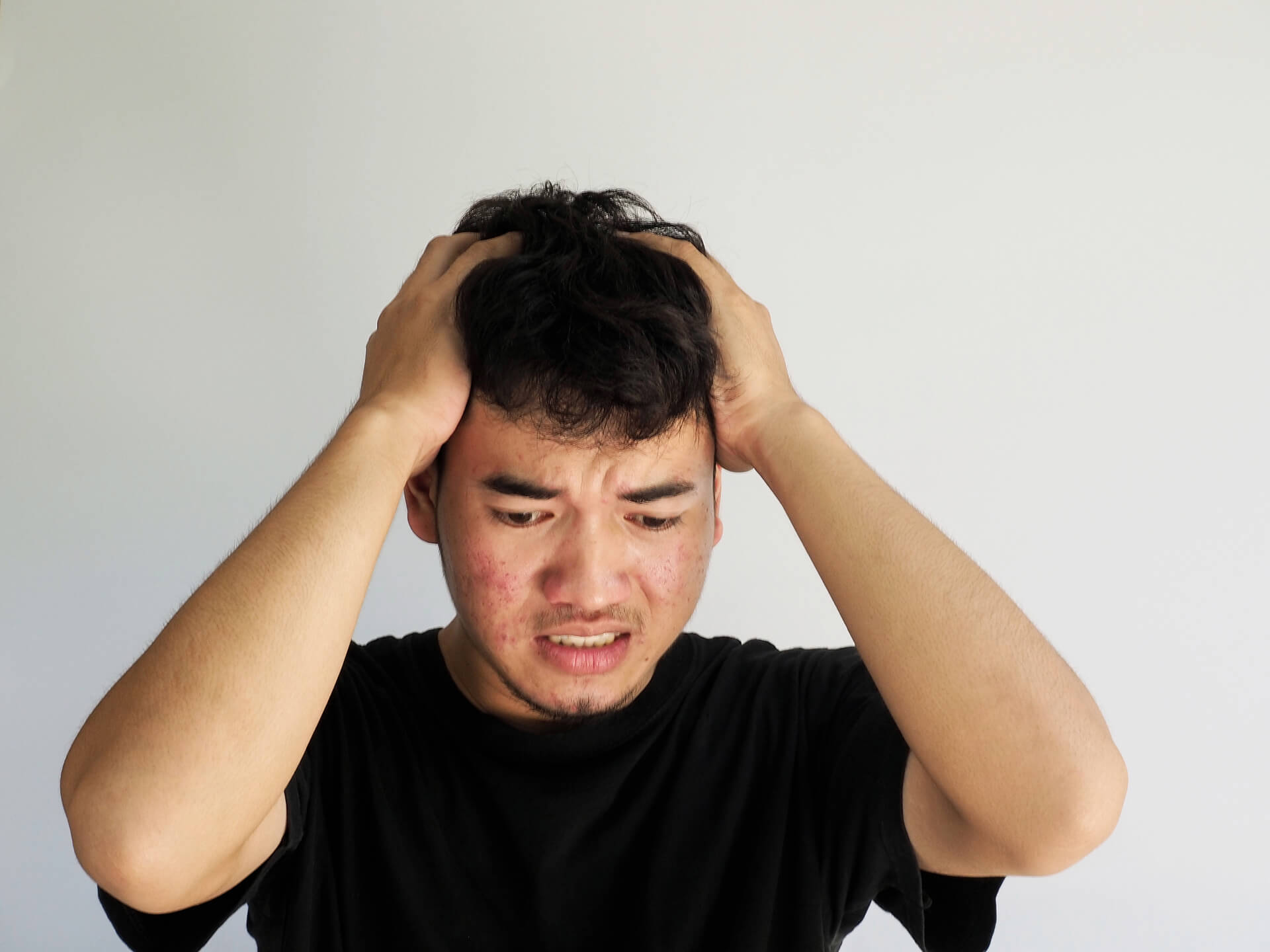
Rosacea can be difficult to recognise in Asian skin. The redness is not always obvious, so many people assume they just have acne, sensitive skin, or irritated skin from skincare products.
Researchers have also found that flushing, burning, and skin sensitivity may appear before persistent redness becomes more noticeable. In Singapore, common rosacea triggers may include heat, sunlight, stress, spicy food, and skincare irritation, all of which can further worsen flare-ups.
So how do dermatologists know when it is actually rosacea, and what treatments can help calm the redness and flare-ups? Read on to find out.
What Rosacea Actually Is (and Why It’s Often Misdiagnosed)
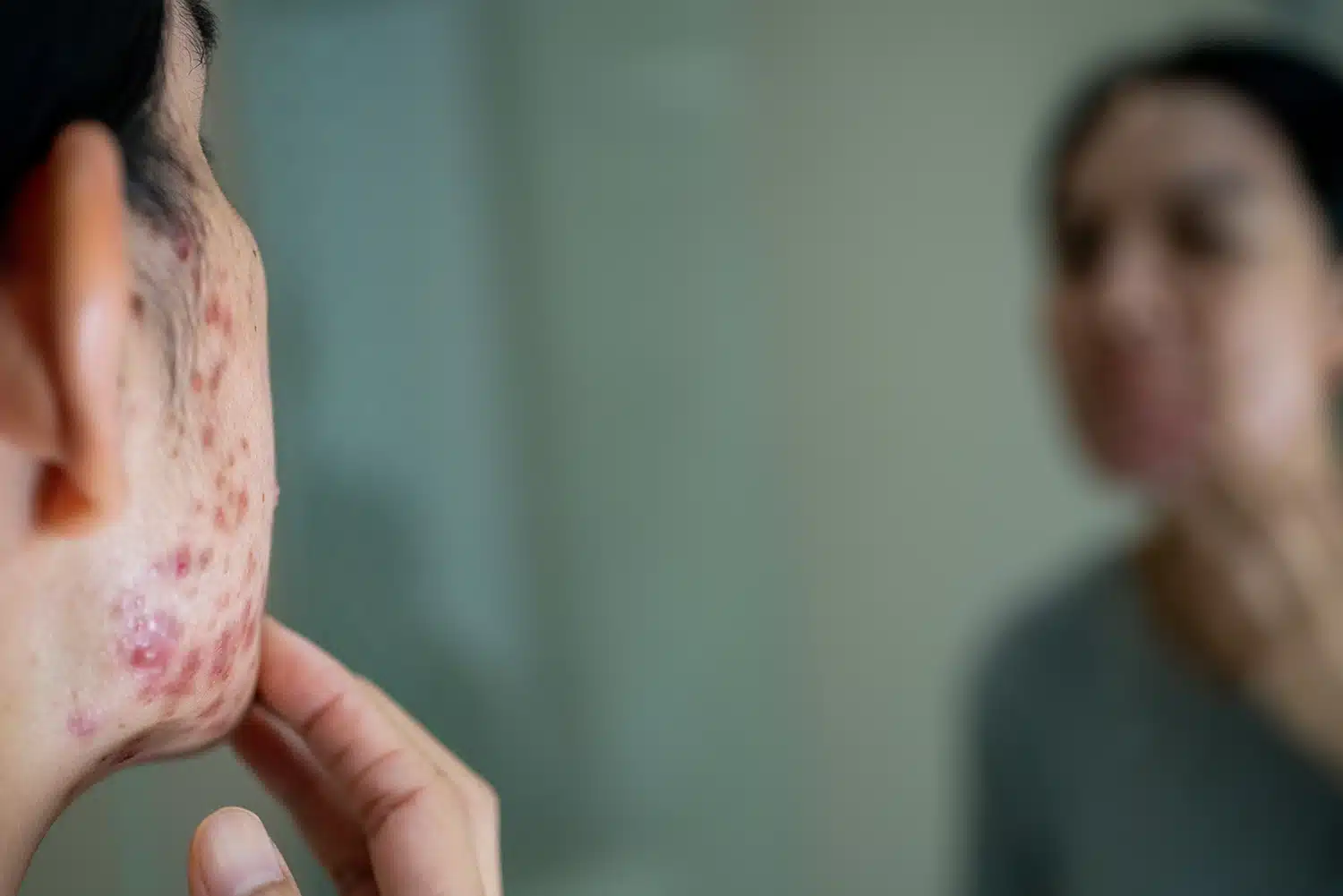
What is rosacea? It is a chronic inflammatory condition that mainly affects the central face, including the cheeks, nose, chin, and forehead. Depending on the type of rosacea, patients may develop facial flushing, persistent redness, visible blood vessels, or acne-like bumps and pustules.
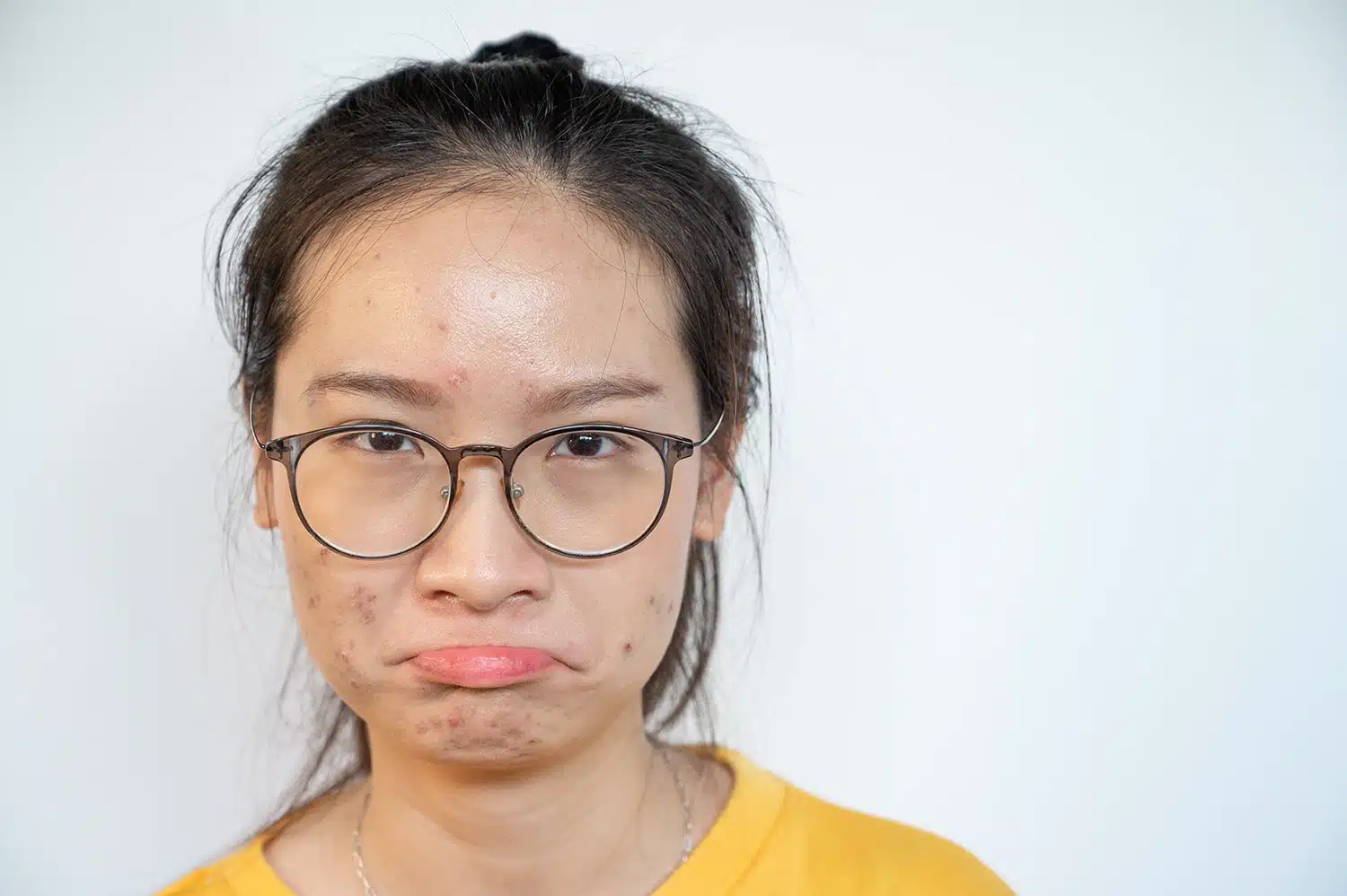
One reason rosacea misdiagnosis is so common is that some forms closely resemble other skin conditions. Papulopustular rosacea, for example, can resemble acne, while persistent facial redness may be mistaken for eczema, allergic dermatitis, or general skin sensitivity. Less commonly, autoimmune conditions such as lupus may also need to be excluded.
Dermatologists, therefore,e look beyond redness alone when diagnosing rosacea. The pattern of flare-ups, trigger history, skin sensitivity, and distribution of facial changes all help distinguish rosacea from other inflammatory skin disorders.
This matters because the wrong treatment can significantly worsen rosacea. Strong acne products, over-exfoliation, or aggressive aesthetic procedures may further disrupt the skin barrier and increase flushing, burning, and inflammation.
The Four Subtypes (and How They’re Treated Differently)
Rosacea is not considered a single uniform condition. Instead, it is grouped into four main subtypes based on how the condition presents clinically.
Erythematotelangiectatic (ETR)
Erythematotelangiectatic rosacea is the subtype most commonly associated with persistent facial redness, flushing, and visible blood vessels. The cheeks and nose are frequently affected, although some patients also develop burning, stinging, or heat sensitivity in the skin.
Because this subtype is primarily vascular, treatment often focuses on reducing visible redness and dilated blood vessels. Yellow laser treatment is commonly used for vascular rosacea, alongside topical medications that help calm inflammation and reduce skin sensitivity.
Papulopustular
Papulopustular rosacea causes inflammatory papules and pustules that can resemble acne, which is why this subtype is commonly misdiagnosed. Unlike acne, however, rosacea typically lacks comedones such as blackheads and whiteheads.
Treatment for this type of rosacea usually focuses on controlling inflammation rather than oil production alone. Depending on severity, dermatologists may prescribe topical anti-inflammatory medication, oral doxycycline, or, in selected cases, low-dose isotretinoin.
Phymatous
Phymatous rosacea involves progressive skin thickening and textural change, most commonly affecting the nose. Over time, the skin may appear enlarged, uneven, or more bulbous due to tissue overgrowth.
This subtype is less common but may become more difficult to treat once thickening becomes established. Management may involve isotretinoin, surgical reshaping, or laser-based procedures to reduce excess tissue and improve contour.
Ocular
Ocular rosacea affects the eyes and eyelids rather than the skin alone. Patients may experience dryness, irritation, burning, watery eyes, or recurrent stye-like bumps along the eyelids.
Because eye symptoms are not always immediately linked to rosacea, ocular involvement can sometimes be overlooked initially. Management may therefore involve coordinated care with an ophthalmologist, especially when symptoms affect vision or long-term eye health.
What Triggers Rosacea Flares
What causes rosacea flares can vary from person to person, but most patients eventually notice certain patterns that repeatedly worsen their redness, flushing, or skin sensitivity.
In Singapore, heat and humidity are among the most common rosacea triggers because increased heat exposure can dilate blood vessels, intensifying facial flushing.
Sun exposure is another major trigger. Ultraviolet (UV) radiation can increase inflammation and vascular reactivity, which is why many rosacea patients notice worsening redness after outdoor activities or prolonged sun exposure.
Dietary triggers are also common. Spicy food, alcohol, and hot beverages may trigger temporary flushing episodes that become more persistent over time in susceptible individuals.
Stress is another well-recognised factor. Emotional stress can activate neurovascular responses involved in rosacea, which may explain why flare-ups sometimes occur during periods of anxiety, poor sleep, or emotional strain.
Certain skincare products may also worsen rosacea, especially those that repeatedly irritate or over-strip the skin barrier. Common culprits include strong exfoliating acids, harsh scrubs, alcohol-heavy formulations, retinoids introduced too aggressively, and fragranced products.
Some medications can also trigger flushing or worsen vascular symptoms in certain patients. Depending on the individual, this may include topical steroids, vasodilating medications, or treatments that increase skin sensitivity.
Because rosacea triggers in Singapore are often cumulative rather than isolated, dermatologists usually focus on identifying recurring flare patterns rather than seeking a single “cause.”
You can speak with a dermatologist at DermAlly to better understand your rosacea subtype, identify potential trigger patterns, and discuss rosacea treatment options appropriate for your skin condition and lifestyle.
Rosacea vs Acne vs Lupus: Distinguishing Features
Rosacea, acne, and lupus can sometimes look similar, especially when facial redness or inflammatory bumps are present. However, there are several clinical clues dermatologists use to tell them apart.
Rosacea most commonly affects the central face, particularly the cheeks and nose. Patients may experience flushing, visible blood vessels, and skin sensitivity, but rosacea typically does not produce comedones such as blackheads or whiteheads.
Acne, by contrast, usually involves comedones alongside inflammatory papules and pustules. In adults, acne may also follow a more hormonal distribution pattern along the jawline and lower face.
Lupus can also cause facial redness, particularly a butterfly-shaped malar rash across the cheeks and nose. Unlike rosacea, the rash classically spares the nasolabial folds and often appears in sun-exposed or photodistributed areas. Because lupus is an autoimmune condition, patients may also develop symptoms beyond the skin.
Although these conditions can overlap visually, their underlying causes and treatments are very different. This is one reason persistent facial redness is often best assessed by a dermatologist rather than self-diagnosed from online images alone.
Why OTC Skincare Often Makes Rosacea Worse
Many rosacea patients start with over-the-counter skincare products to reduce redness, bumps, or sensitivity. The problem is that products marketed for acne, exfoliation, or “skin renewal” can sometimes worsen rosacea rather than calm it.
Exfoliating acids, retinoids, scrubs, and strong active ingredients may further disrupt an already sensitive skin barrier. Once the barrier is compromised, patients often experience increased burning, stinging, flushing, and irritation, especially in Singapore’s hot, humid climate.
Fragranced skincare products and heavily perfumed actives can also trigger irritation in reactive skin. Even when the product itself is not “harsh”, repeated exposure may increase inflammation over time in patients prone to rosacea flare-ups.
Some patients also overcompensate by using very thick or heavily occlusive products to “repair” the skin. While moisturising is important, excessively heavy occlusives can sometimes trap heat and worsen facial flushing in vascular rosacea.
This is one reason dermatologists in Singapore often prioritise barrier stability before introducing stronger active ingredients or procedures when treating rosacea.
Treatment Options for Rosacea
Rosacea treatment is usually tailored to the dominant subtype, the severity of inflammation, trigger patterns, and the degree of skin sensitivity. While some patients mainly require trigger control and topical treatment, others may need oral medication or laser-based treatment to manage persistent redness, inflammatory flare-ups, or visible blood vessels more effectively.
Topical Prescriptions
Topical treatment is often used for milder rosacea or as part of a longer-term maintenance plan. The choice of medication usually depends on whether the dominant problem is inflammatory bumps, persistent redness, or vascular flushing.
Azelaic acid is commonly used to reduce inflammatory papules, pustules, and background redness. Some patients may also benefit from topical metronidazole or ivermectin, both of which help reduce rosacea-related inflammation.
For patients with persistent facial redness or flushing, vasoconstrictive agents such as brimonidine or oxymetazoline may sometimes be prescribed. These medications work by temporarily narrowing superficial blood vessels to reduce visible redness for selected patients.
Because rosacea-affected skin is often reactive, dermatologists usually introduce active ingredients gradually and alongside barrier-supportive skincare to reduce the risk of irritation.
Oral Medications
Oral medication may be considered when rosacea becomes more inflammatory, widespread, or difficult to control with topical treatment alone.
Low-dose doxycycline is commonly used because of its anti-inflammatory effects rather than its antibiotic activity alone. At sub-antimicrobial doses, it may help reduce inflammatory papules, pustules, and background inflammation while lowering the risk of long-term antibiotic resistance associated with higher doses.
In selected severe or treatment-resistant cases, low-dose isotretinoin may also be considered off-label. This is more commonly reserved for patients with significant inflammatory rosacea, phymatous change, or persistent disease that has not responded adequately to conventional treatment.
Because isotretinoin carries important safety considerations, including strict pregnancy precautions and monitoring requirements, treatment suitability is assessed carefully on an individual basis.
Laser and Light-Based Options
Laser and light-based treatments are often used to treat rosacea, characterised by persistent redness, flushing, and visible blood vessels.
Yellow laser treatment at 577nm is commonly used for vascular rosacea because it selectively targets superficial blood vessels involved in facial redness and telangiectasia. This may help reduce persistent erythema and visible vascular changes over a series of sessions.
Intense Pulsed Light (IPL) may also be appropriate for selected patients, particularly when diffuse redness and flushing are more prominent.
The Singapore Climate Factor
For many patients with rosacea in Singapore, the climate itself can become a daily trigger. Heat exposure commonly worsens facial flushing because elevated temperatures cause superficial blood vessels to dilate more readily.
Humidity may also play a role in triggering rosacea. Long outdoor commutes followed by repeated transitions into cold air-conditioned environments can increase skin reactivity in some patients, especially when the skin barrier is already sensitive or inflamed.
Unlike countries with seasonal UV exposure, Singapore’s year-round sunlight means that rosacea patients are consistently exposed to heat and ultraviolet radiation. Over time, repeated sun exposure may contribute to persistent redness, vascular flare-ups, and worsening skin sensitivity if not managed carefully.
For patients in Singapore, rosacea can be particularly challenging to manage because climate-related triggers are present year-round rather than seasonally.
Lifestyle Modifications That Help
Although rosacea cannot always be “cured”, daily habits can significantly reduce flare frequency and overall skin reactivity.
Many dermatologists recommend daily sunscreen use, particularly mineral-based formulations that are less likely to irritate sensitive skin. Consistent UV protection may help reduce vascular flare-ups and worsening redness over time.
Keeping the skin cool where possible can also help. For some rosacea patients, prolonged heat exposure, hot showers, and overheated indoor environments may more easily intensify flushing.
Dietary triggers are highly individual, but some patients notice worsening symptoms after spicy food, alcohol, or very hot beverages. Keeping track of repeated flare patterns may help identify triggers more clearly over time.
Skincare routines are often simplified as well. Gentle, non-fragranced products are generally preferred over aggressive exfoliants, strong acids, or heavily perfumed formulations that repeatedly irritate the skin barrier.
Stress management may also play a role in long-term rosacea control. Poor sleep, emotional stress, and periods of sustained anxiety can sometimes worsen flushing and inflammatory flare-ups in susceptible individuals.
When to See a Dermatologist
Persistent facial redness is not always “just sensitive skin”, especially if the flushing keeps returning or worsens over time. If your skin frequently burns, stings, reacts easily to skincare products, or develops recurring redness and acne-like bumps that do not respond to standard acne treatment, it may be worth getting assessed properly.
You may also benefit from seeing a dermatologist if visible blood vessels become more pronounced, flare-ups start affecting your confidence or daily comfort, or eye symptoms such as dryness and irritation begin to accompany facial redness.
At DermAlly, our dermatologists assess the rosacea subtype, trigger patterns, barrier condition, and degree of inflammation before recommending treatment. Book a consultation with us today.
How DermAlly Treats Rosacea
Rosacea treatment at DermAlly begins with diagnosis rather than immediately selecting a laser or skincare product. During consultation, our dermatologists assess the dominant rosacea subtype, the degree of vascular redness, inflammatory activity, trigger history, skin sensitivity, and overall skin barrier condition before developing a treatment plan.
For some patients, management may focus first on calming inflammation and reducing daily trigger exposure through prescription medication and barrier-supportive skincare. Others may benefit from vascular laser treatment when persistent redness, flushing, or visible blood vessels become more prominent.
Treatment is usually introduced gradually, especially in patients with reactive or easily irritated skin. This helps reduce the risk of worsening inflammation while allowing the skin barrier to stabilise over time.
Because rosacea tends to fluctuate, long-term management also involves identifying recurring flare patterns and adjusting treatment based on how the skin responds over time, rather than relying on a single procedure or product.
Frequently Asked Questions About Rosacea
1. Is rosacea curable?
Rosacea is considered a chronic inflammatory skin condition, which means it is usually managed rather than permanently cured. However, many patients can achieve good long-term control of redness, flushing, and flare-ups with appropriate treatment and trigger management.
2. Can I treat rosacea with skincare alone?
Some patients with mild rosacea may improve with gentle skincare and trigger avoidance alone, especially when barrier irritation is a major contributor. However, persistent redness, inflammatory flare-ups, or visible blood vessels often require prescription treatment or procedural intervention for better control.
3. Is a yellow laser safe for rosacea?
Yellow laser treatment is commonly used for vascular rosacea because it targets the superficial blood vessels responsible for redness and flushing. Suitability still depends on the rosacea subtype, skin sensitivity, and degree of active inflammation, so rosacea treatment is usually individualised after assessment by a dermatologist.
4. Will my rosacea come back after treatment?
Rosacea flare-ups can recur over time because the condition is chronic and influenced by triggers such as heat, stress, sunlight, and skincare irritation. Maintenance treatment, trigger management, and barrier care may help reduce the frequency and severity of rosacea flares.
5. Can rosacea look like acne?
Yes. Papulopustular rosacea can produce inflammatory bumps and pustules that resemble acne, which is why the condition is commonly misdiagnosed. Unlike acne, however, rosacea usually lacks blackheads and whiteheads.
6. Does diet affect rosacea?
Certain foods and beverages may trigger rosacea flare-ups in some individuals. Common associations include spicy food, alcohol, and very hot drinks, although triggers can vary significantly from person to person.
Key Takeaway
- Rosacea flare-ups are often driven by repeated exposure to triggers rather than a single cause.
- Facial redness alone does not confirm rosacea, as acne, eczema, and lupus can initially appear similar.
- Skin barrier irritation frequently makes rosacea more reactive and harder to control.
- Vascular rosacea and inflammatory rosacea usually require different treatment approaches.
- Long-term rosacea management often involves a combination of trigger reduction, prescription treatment, and barrier-focused skincare.
Start With a Professional Skin Assessment
Persistent facial redness, flushing, burning, visible blood vessels, and acne-like bumps can all occur in rosacea, but not every patient presents the same way.
Book a consultation with our DermAlly team in Singapore to discuss whether your symptoms may be consistent with rosacea, identify potential triggers, and explore appropriate treatment options for your skin condition.



Our articles are written and reviewed by Dr. Coni Liu (MRCS, FAMS), Dr. Heng Jun Khee (MRCP, FAMS), and Dr. Cheng Hui Mei (FAMS), Ministry of Health-accredited Consultant Dermatologists at DermAlly.
All three are Fellows of the Academy of Medicine (Dermatology) and previously served as Consultants at the National Skin Centre (NSC), bringing extensive experience in medical, surgical, and aesthetic dermatology. They are committed to making expert-led skin education accessible, practical, and clear, helping patients look and feel their best through evidence-based care rooted in science and compassion.