Eczema is a skin condition with a varied presentation, influenced by a combination of factors. A common form, known as atopic dermatitis, often begins in infancy or early childhood, though it can also develop in adulthood. Importantly, eczema is not contagious, so there’s no risk of passing it from person to person.
As many as 10% to 20% of people may experience atopic dermatitis. This condition is chronic, meaning it can last for years, with those affected experiencing periodic flares. Atopic dermatitis is also frequently linked to other allergic conditions, such as asthma or allergic rhinitis, making it part of what’s known as the “atopic triad.”
When it comes to how eczema looks and feels, there’s a clear difference between adults and children. Adults often experience eczema in smaller patches, particularly on the hands, feet, or face. For children, the symptoms tend to be more widespread and differ by age.
Eczema in children has distinct features that change as they grow, with symptoms evolving based on their age and activity levels.
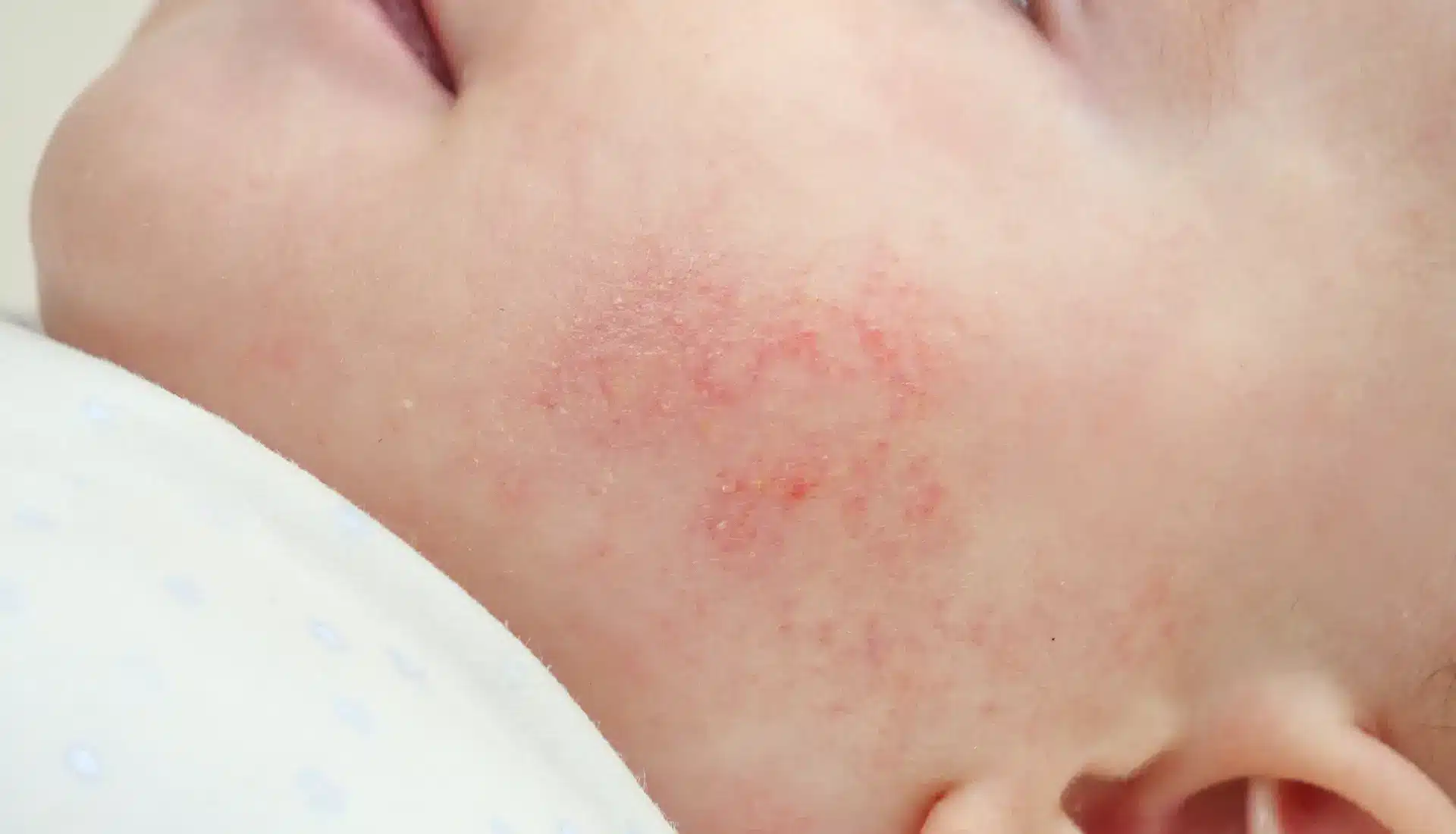
Infants (under 6 months)
Red, dry patches usually appear on the face, particularly the cheeks, and may spread to other areas like the scalp or forehead.

Ages 6-12 months
As babies become more mobile, eczema often develops on areas prone to rubbing, such as the elbows and knees.

Ages 2-5 years
At this stage, patches are commonly found in skin folds like the elbows and knees, as well as on the hands, around the mouth, and near the eyes. The skin may also become noticeably drier and more scaly.
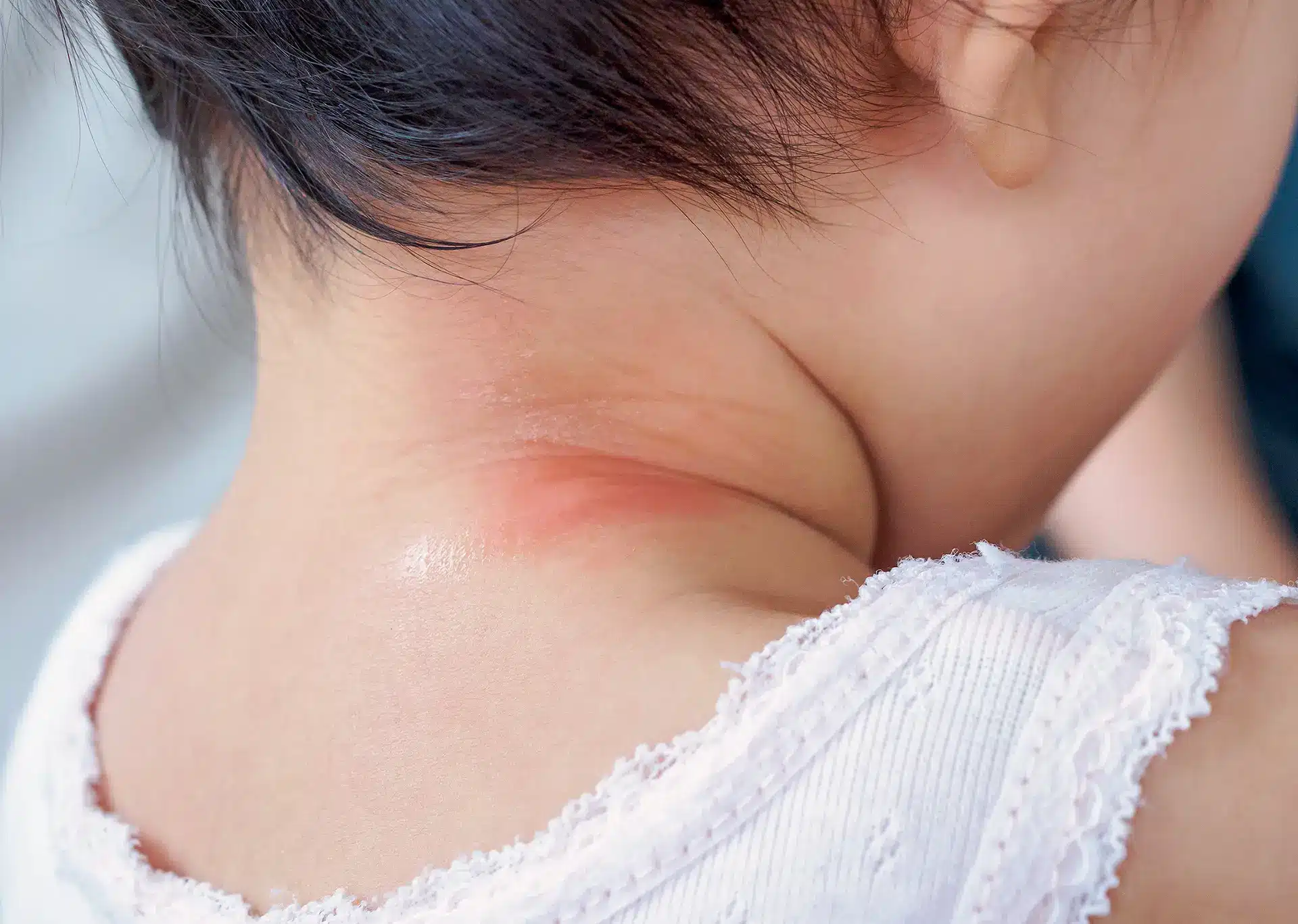
Ages 5 years and older
Eczema tends to appear in areas such as the creases of the elbows and knees, the neck, eyelids, and occasionally the hands.
One of the most common symptoms, regardless of age, is relentless itching. Scratching can lead to broken skin, increasing the risk of infections and making the condition harder to manage.
The constant discomfort can also make children fussier, especially if the itchiness disrupts their sleep or playtime. If you notice your child showing these signs, it may be time to check for eczema.
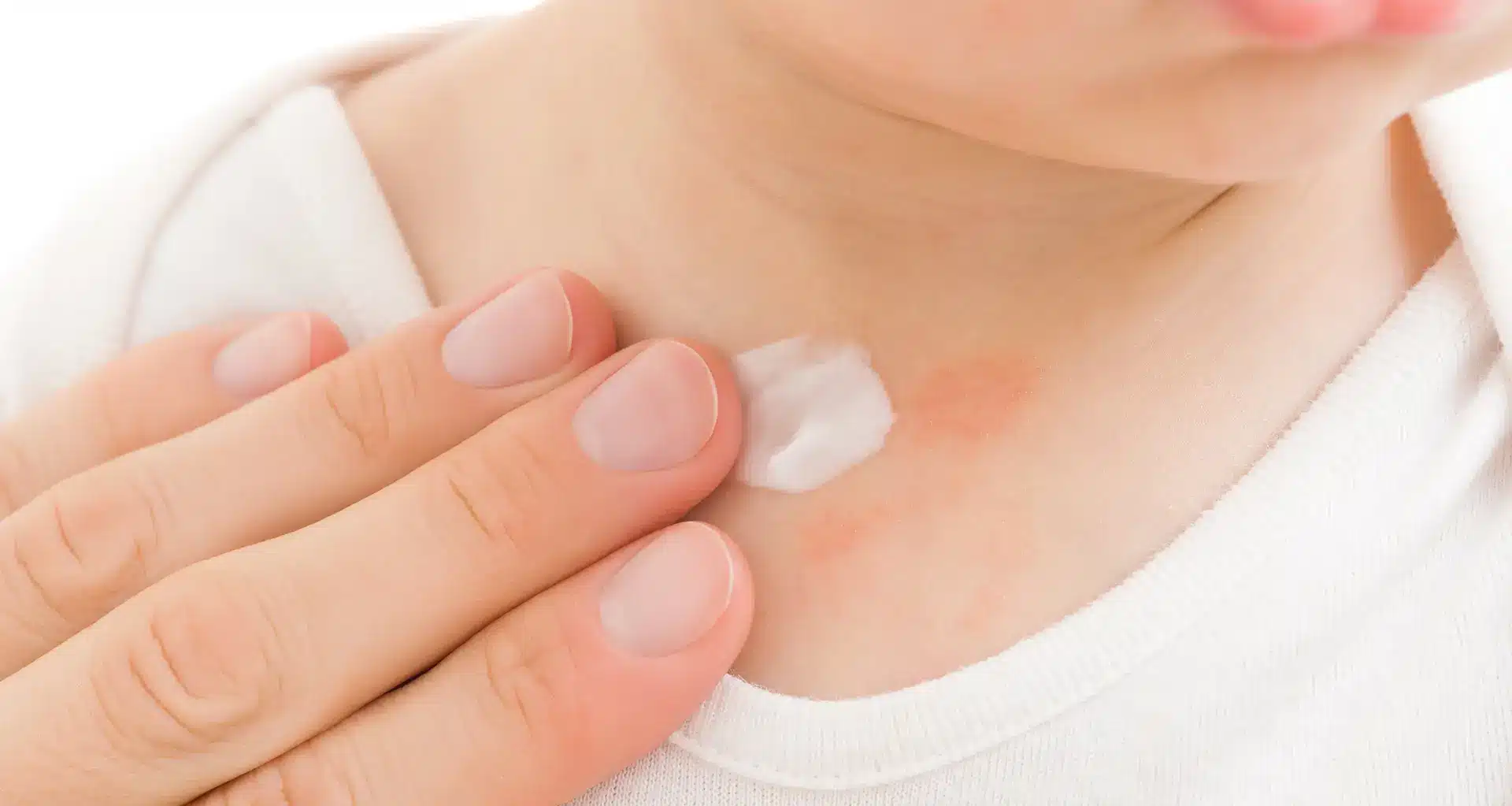
When it comes to eczema, many see it as mainly a cosmetic concern. While this is undeniable, the red patches, especially when they appear on visible areas like the face and neck, can cause stress and discomfort for children. They may feel self-conscious and begin to withdraw socially, particularly if classmates or peers start asking questions or teasing them about their appearance.
In addition to the emotional impact, eczema can significantly disrupt sleep. The constant itchiness makes it hard for children to settle, leading to poor-quality sleep that can affect their mood, focus, and even physical development. Sleep deprivation not only leaves them tired but can also worsen the frustration and irritability caused by the condition.
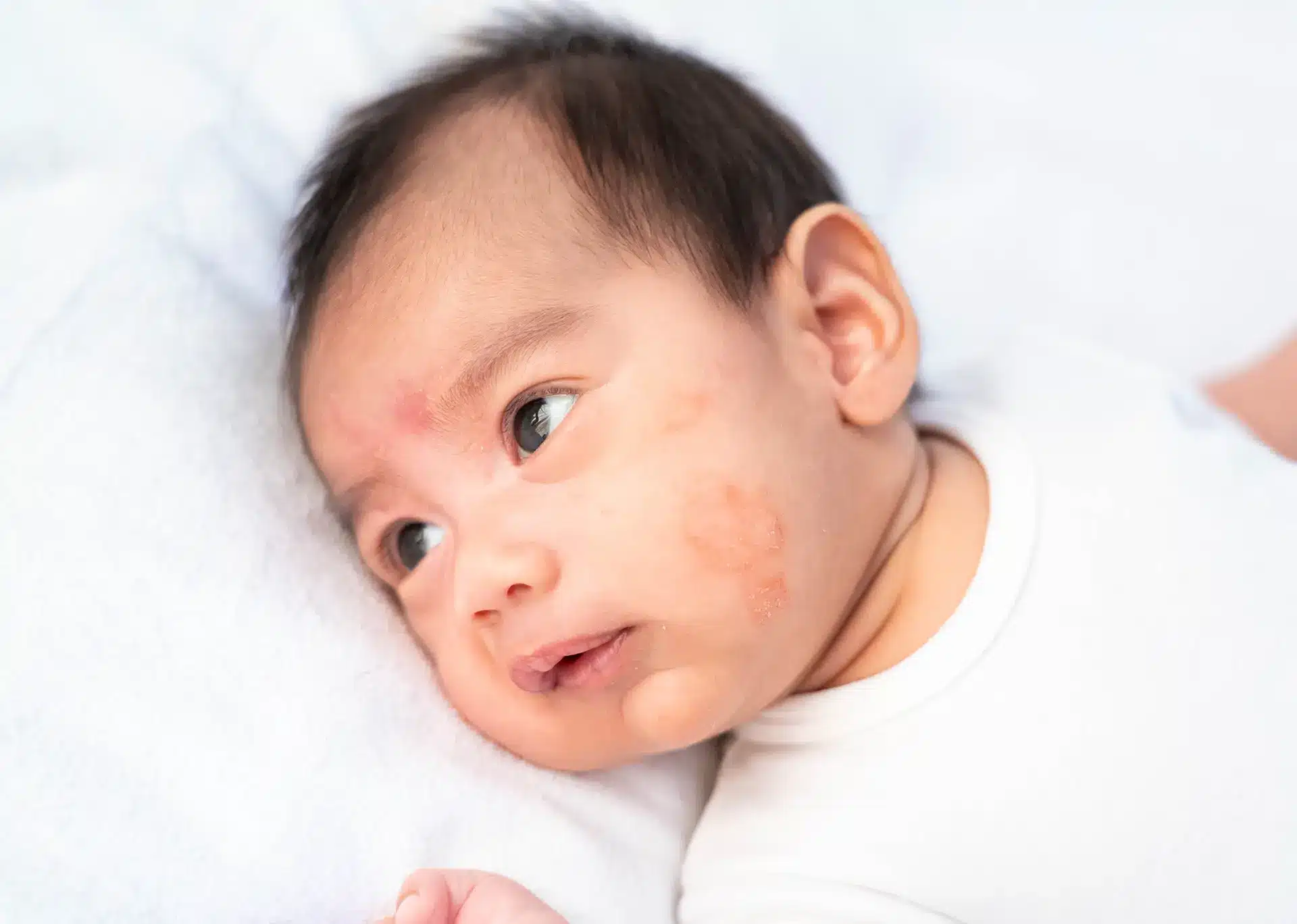
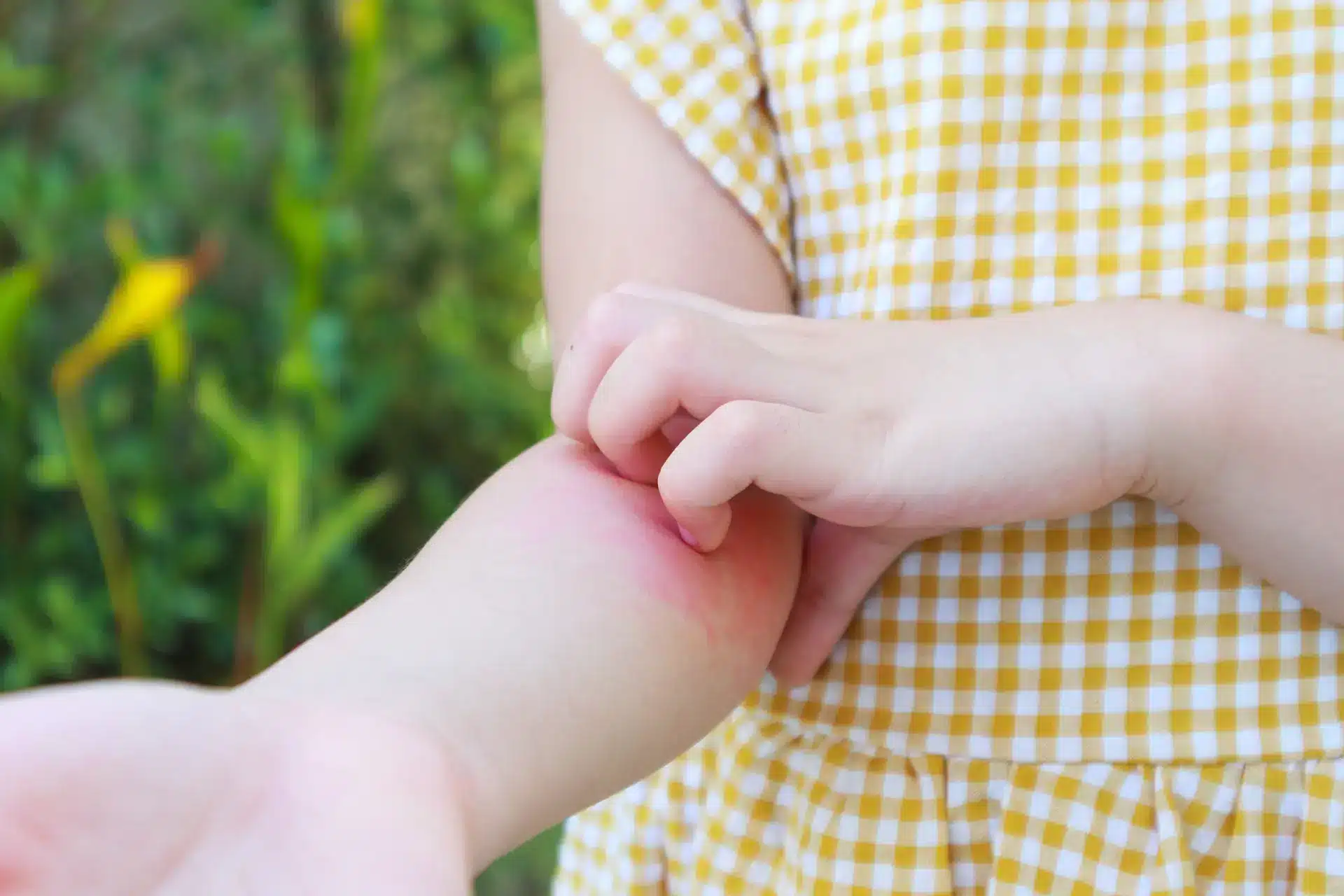
Frequent scratching is another concern, as it often results in broken skin, increasing the risk of infections and worsening the condition further. If left untreated, eczema may also contribute to the “atopic march”, a progression where ongoing inflammation heightens the likelihood of developing allergies or asthma later in life.
No, eczema is not contagious. It is a chronic skin condition influenced by genetics, environment, and immune system responses, meaning it cannot be spread from person to person through contact.
There is no permanent cure for eczema, but with the right treatment, symptoms can be effectively managed. Many people experience periods of remission where their skin improves significantly.
For some people, certain foods like dairy, eggs, nuts, or gluten may trigger or worsen eczema. Keeping a food diary and working with a doctor can help determine if diet plays a role.
To relieve itching:
Apply moisturizer frequently.
Use topical treatments prescribed by a doctor.
Take antihistamines at night if itching disrupts sleep.
Keep fingernails short to prevent scratching and skin damage.
Yes, eczema can develop in adulthood, even in those who never had symptoms as children. Adult-onset eczema can be triggered by stress, environmental factors, or immune system changes.
Use a gentle, fragrance-free cleanser.
Apply a thick moisturizer immediately after bathing.
Avoid hot showers, as they can dry out the skin.
Wear loose, breathable fabrics like cotton.
Yes, eczema is often associated with asthma, hay fever (allergic rhinitis), and food allergies, particularly in children. This is known as the atopic triad.
Yes, stress is a common trigger for eczema flare-ups. Managing stress through meditation, exercise, or relaxation techniques can help improve symptoms.
Consult a doctor if:
Your eczema does not improve with over-the-counter treatments.
The skin becomes infected (oozing, swelling, or pain).
You experience severe itching that affects sleep and daily life.
Book an appointment with our expert dermatologists. Please select your preferred clinic below.
